


-

- 2025-12-11
Decoding Fertilizer Efficiency Enhancers: Scientific Classification and New Trends in Green Efficiency
Against the dual backdrop of ensuring food security and promoting agricultural green transformation, the core challenge for the industry has become how to make fertilizers achieve "less application, better growth, and less waste." Fertilizer efficiency enhancers, serving as a key solution to this goal, are leading an innovation in fertilization technology by precisely regulating nutrient fate through various mechanisms. This article systematically analyzes their scientific classification and explores how green, high-efficiency products like polyaspartic acid are shaping the future.
I. Core Classification: Four Major Pathways Based on Mode of Action
Fertilizer efficiency enhancers are not a single substance but a sophisticated system formed based on different "battlefields" (soil, crop, nutrient) and different "tactics."
1. The Guardians: Nitrification and Urease Inhibitors
Primarily serving nitrogen fertilizers, these products act as "time managers" for nutrients. Urease inhibitors (e.g., NBPT) delay urea hydrolysis, reducing ammonia volatilization. Nitrification inhibitors (e.g., DMPP) inhibit the soil microbial process converting ammonium nitrogen into easily leachable nitrate nitrogen, thereby significantly reducing leaching and denitrification gas losses. They are direct tools for increasing nitrogen use efficiency and reducing non-point source pollution.
2. The Transport Captains: Nutrient Chelating and Activators
Targeting micronutrients and secondary nutrients (e.g., iron, zinc, manganese) that are easily fixed in soil, these enhancers play the role of "dedicated escorts." They form stable, soluble complexes with metal ions through organic molecules, allowing them to move freely in soil and avoid being immobilized. Traditional synthetic chelators (e.g., EDTA) are potent but raise concerns about environmental persistence, while natural options like humic acid and amino acids offer more eco-friendly alternatives. In recent years, a class of synthetic biodegradable polymers combining high efficiency and environmental friendliness – Polyaspartic Acid (PASP) – is emerging as a technological pioneer in this field.
3. The Activators: Biostimulants
These do not directly provide nutrients but act on the crop itself, akin to "plant fitness coaches." Whether extracted from mineral sources (humic substances), marine origins (seaweed extracts), or derived from animals and plants (amino acids), they can stimulate crop potential from multiple dimensions: promoting root development, enhancing photosynthesis, and improving stress resistance. By improving the crop's own health and vitality, they indirectly increase its efficiency in nutrient uptake and utilization.
4. The Modifiers: Soil Conditioners and Functional Carriers
These substances focus on improving the "battlefield environment." Water-retaining agents can increase soil water-holding capacity; mineral carriers (e.g., zeolite, bentonite) can adsorb and slowly release nutrients; while substances like silicon, calcium, potassium, and magnesium can adjust soil pH. They optimize the rhizosphere environment from physical and chemical aspects, laying the foundation for efficient nutrient use.
II. Focus: Polyaspartic Acid – A Paradigm of Green Chelation Technology
Within the nutrient activator category, Polyaspartic Acid (PASP) represents a significant evolution towards "efficient and green." It is a water-soluble polymer whose molecular backbone contains a multitude of carboxyl groups, granting it excellent chelating, dispersing, and adsorbing properties.
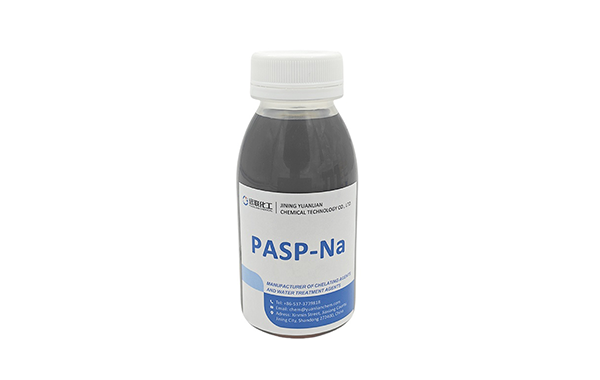
Superior Mode of Action: Polyaspartic Acid can firmly "lock onto" secondary and micronutrients like calcium, magnesium, zinc, and iron like a "chelating hand," forming small molecular clusters that prevent them from precipitating and becoming ineffective in soil. Simultaneously, it can disperse fixed phosphates in the soil, activating potential nutrients, thereby achieving the dual effect of "unlocking" existing reserves and enhancing the efficiency of added nutrients.
Environmentally Friendly Profile: Unlike traditional synthetic chelators which are poorly degradable, polyaspartic acid can be naturally biodegraded by microorganisms into environmentally harmless substances, posing no residual risk—perfectly aligning with the needs of ecological agriculture.
Multifunctional Synergy: Beyond its powerful chelating capacity, it can also promote crop root growth to a certain extent and enhance crop stress resistance, exhibiting some functions of biostimulants and demonstrating the comprehensive advantage of "multiple benefits from one agent."
In this niche, leading domestic enterprises like Yuanlian Chemical, leveraging profound R&D capabilities and advanced production processes, specialize in the development and application of high-quality polyaspartic acid series products. Their products are renowned for high purity, high activity, and good stability, capable of significantly improving the utilization rate of micronutrient and secondary nutrient fertilizers, addressing crop nutrient deficiency symptoms, and being widely suitable for various modern fertilization practices such as fertigation and foliar application. They provide a reliable green solution for enhancing fertilizer efficiency.
III. Summary and Outlook
The scientific classification of fertilizer efficiency enhancers provides a clear "toolbox" for precisely matching crop needs with soil issues. From inhibiting losses, activating nutrients, stimulating crops, to improving soil, each category plays an irreplaceable role.
Looking ahead, the development of efficiency enhancers will place greater emphasis on being green, composite, and efficient. Environmentally friendly polymers represented by polyaspartic acid, along with the integrated application of various bio-source stimulants and functional microbial agents, will become mainstream. Creating "tailored" enhancement solutions through the synergistic combination of multiple mechanisms is the inevitable path to achieving reduced fertilizer use with increased efficiency and promoting sustainable agricultural development. Choosing the right efficiency enhancer is not just about selecting a product, but about embracing a smarter, more responsible cultivation philosophy.
Yuanlian Chemical specializes in the production of polyaspartic acid (PASP),tetrasodium iminodisuccinate(IDS), GLDA, MGDA etc. with stable quality and excellent quantity!

Contact us