



-

- 2026-01-29
GLDA vs. EDTA: Transitioning to Sustainable Chelating Agents in the European Market
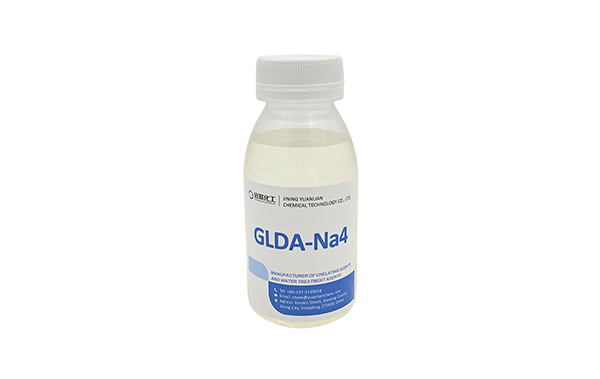
In the sophisticated landscape of European chemical manufacturing, the shift toward "Green Chemistry" is no longer a trend—it is a regulatory and ethical mandate. For decades, Ethylenediaminetetraacetic acid (EDTA) has been the workhorse of the chelating industry. However, the rise of Tetrasodium Glutamate Diacetate (GLDA) represents a pivotal evolution in coordination chemistry.
This article examines the technical performance, ecological footprint, and regulatory alignment of GLDA versus EDTA to help R&D specialists make informed procurement decisions.
1. Structural Origins: Bio-based vs. Synthetic
The fundamental difference between these two chelates lies in their molecular "ancestry."
-
EDTA: A fully synthetic polyamino carboxylic acid, primarily derived from formaldehyde, ethylenediamine, and sodium cyanide. Its carbon skeleton is rigid and petroleum-based.
-
GLDA: Derived from natural L-glutamic acid, a fermented plant-based raw material. Over 85% of its molecular structure is bio-based, aligning perfectly with the European bio-economy strategy.
2. Environmental Impact and Biodegradability
For European manufacturers, the OECD 301B standards for biodegradability are critical. This is where the two diverge most significantly.
-
The EDTA Challenge: EDTA is notoriously persistent in the environment. It does not biodegrade easily in wastewater treatment plants, leading to the mobilization of heavy metals in natural water bodies. This persistence has led to increasing scrutiny under EU environmental monitoring.
-
The GLDA Advantage: GLDA is classified as readily biodegradable. It breaks down swiftly into harmless substances, reducing the chemical oxygen demand (COD) in industrial effluent. It is the preferred choice for products carrying the EU Ecolabel.
3. Technical Performance: Beyond Ecology
While sustainability is vital, performance is non-negotiable. GLDA offers unique technical advantages that, in some scenarios, surpass traditional EDTA.
Solubility and pH Stability
-
EDTA has limited solubility in acidic environments, often precipitating when the pH drops below 4.
-
GLDA maintains excellent solubility and chelating power across a vast pH range (pH 2 to 14). This makes it highly effective in concentrated alkaline cleaners and acidic descalers alike.
Thermal and Chemical Stability
GLDA exhibits high thermal stability, maintaining its integrity at temperatures exceeding . Furthermore, it shows high compatibility with various disinfectant actives, such as quaternary ammonium compounds and hydrogen peroxide, enhancing the shelf-life of complex formulations.
4. Key Application Comparison
5. Strategic Implications for European Businesses
Switching to GLDA is not merely a substitution of ingredients; it is a strategic future-proofing of your product line.
-
Regulatory Compliance: Using GLDA minimizes the risk associated with potential future bans on non-biodegradable chelates under updated REACH or local European water directives.
-
Consumer Appeal: European consumers increasingly prefer "Green" and "Bio-based" labels. GLDA allows brands to market their products as eco-friendly without sacrificing cleaning or industrial efficacy.
-
Cost-Effectiveness: While the raw material cost per kilogram might differ, the superior solubility and synergy of GLDA with surfactants often allow for a lower total dosage in concentrated formulas.
Conclusion
While EDTA remains a powerful chelate, its environmental persistence makes it a liability in the modern European market. GLDA offers a high-performance, readily biodegradable, and bio-based alternative that meets the stringent technical and ecological demands of today’s industry.
For formulators aiming to lead in the "Green Transition," GLDA is the clear successor to the chelating throne.
Yuanlian Chemical specializes in the production of polyaspartic acid (PASP),tetrasodium iminodisuccinate(IDS), GLDA, MGDA etc. with stable quality and excellent quantity!

Contact us