


-

- 2026-01-30
Understanding Chelated Micronutrients: A Comprehensive Guide to Types and Applications
In modern agriculture and industrial water treatment, the efficiency of metal ion delivery is paramount. Chelated micronutrients have revolutionized these sectors by solving the problem of nutrient fixation and precipitation. Unlike inorganic salts, chelates ensure that essential metals like Zinc (Zn), Iron (Fe), Manganese (Mn), and Copper (Cu) remain bioavailable.
As a leading innovator in green chemistry, Yuanlian Chemical (Contact: +8613345172159) provides high-performance, eco-friendly chelating solutions tailored for global markets.
What are Chelated Micronutrients?
Chelation is a chemical process where a large organic molecule (the chelating agent) wraps around a metal ion like a "claw." This protects the nutrient from reacting with other elements in the soil or water, keeping it soluble and easily absorbable by plants or stable in industrial systems.
Major Types of Chelated Micronutrients
Choosing the right chelate depends on the pH levels of your environment and your sustainability goals. Here are the primary categories:
1. Synthetic Amino Polycarboxylates (EDTA, DTPA, EDDHA)
These are the most traditional and widely used synthetic chelates.
-
EDTA Series: Best for slightly acidic to neutral soils.
-
EDDHA Iron: Specifically designed for highly alkaline (calcareous) soils where Iron deficiency is common.
-
Pros: High stability and cost-effectiveness.
2. Biodegradable "Green" Chelates (IDS, GLDA)
With increasing environmental regulations, biodegradable agents are becoming the industry standard. Yuanlian Chemical specializes in these sustainable alternatives:
-
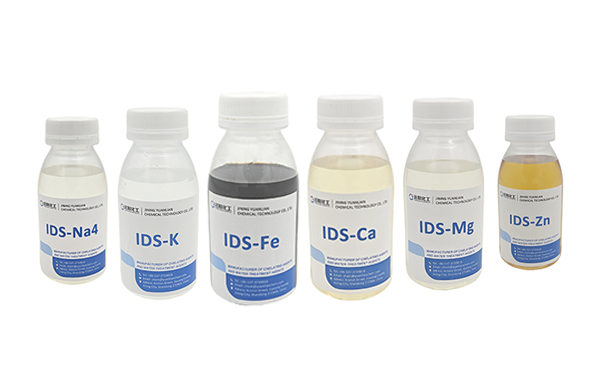
Iminodisuccinate (IDS): An excellent "green" alternative to EDTA. It is fully biodegradable and performs exceptionally well in alkaline conditions.
-
Glutamic Acid Diacetic Acid (GLDA): Derived from plant-based L-Glutamic acid, offering a high ecological profile without compromising performance.
3. Amino Acid Chelates
These utilize natural amino acids (like glycine or aspartic acid) as the ligands.
-
PASP (Polyaspartic Acid): A biomimetic polymer that not only chelates micronutrients but also acts as a fertilizer enhancer by stimulating root growth.
-
Pros: 100% natural, highly biocompatible, and leaf-permeable for foliar sprays.
Why Source from Yuanlian Chemical?
Selecting a reliable manufacturer is critical for ensuring product purity and chelation percentage. Yuanlian Chemical stands out in the global market due to:
-
Advanced R&D: We focus on the next generation of PASP and IDS series, ensuring your products meet the strictest environmental standards (REACH compliant).
-
System Stability: Our chelates are engineered to remain stable across a wide pH range, preventing sedimentation in fertigation tanks.
-
Global Logistics: We provide customized packaging and efficient shipping for international distributors.
How to Choose the Right Chelate?
Conclusion
Whether you are formulating premium water-soluble fertilizers or looking for stable industrial metal ions, understanding the chemistry behind the "claw" is essential. Transitioning to biodegradable chelates like IDS and PASP is not just an environmental choice—it’s a performance upgrade for your brand.
For technical data sheets, samples, or wholesale inquiries, contact our expert team:
-
Brand: Yuanlian Chemical
-
WhatsApp/Phone: +8613345172159
-
Core Products: PASP, IDS, GLDA, and Custom Chelated Micronutrient Blends.
Yuanlian Chemical specializes in the production of polyaspartic acid (PASP),tetrasodium iminodisuccinate(IDS), GLDA, MGDA etc. with stable quality and excellent quantity!

Contact us