


-

- 2026-02-02
Optimizing Surface Quality: The Role of Gypsum Defoamers in Self-Leveling Floors
In the modern construction industry, gypsum-based self-leveling flooring has gained immense popularity due to its eco-friendliness, high surface flatness, and minimal shrinkage. However, one of the most persistent technical challenges during application is the formation of air bubbles. If not addressed, these bubbles can lead to pinholes, cratering, and reduced structural integrity.
This is where a high-performance Gypsum Defoamer becomes essential. In this article, we explore the technical significance of defoaming agents and how Yuanlian Chemical provides industry-leading solutions for floor contractors.
1. Why Do Bubbles Form in Gypsum Self-Leveling Systems?
Air entrapment in gypsum slurries typically occurs during three stages:
-
Mixing: High-speed mechanical stirring introduces air into the viscous slurry.
-
Chemical Interactions: Minor gas release from the reaction between water and various additives.
-
Substrate Outgassing: Air trapped in the pores of the concrete base rises as it is covered by the wet leveling compound.
Without a reliable defoaming agent, these bubbles remain trapped as the gypsum sets, compromising both the aesthetic and the compressive strength of the floor.
2. Technical Advantages of Gypsum Defoamers
A specialized defoamer, such as those supplied by Yuanlian Chemical, offers several key benefits:
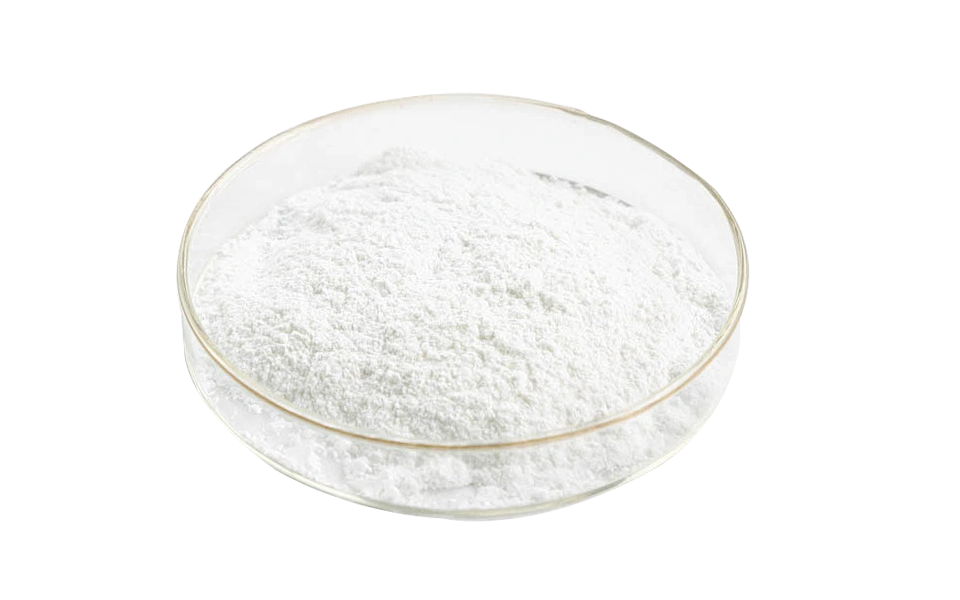
Rapid Macrobubble Breakage
The defoamer lowers the surface tension of the liquid film surrounding the bubbles, causing large bubbles created during mixing to collapse instantly.
Long-lasting Microbubble Inhibition
Beyond initial mixing, the agent remains active to inhibit the formation of tiny bubbles (microbubbles) as the slurry is poured and leveled, ensuring a dense and uniform internal structure.
Surface Smoothness and Pinhole Prevention
By facilitating the release of air, the defoamer prevents "pinholes" and "craters" on the finished surface, resulting in a mirror-like finish that requires less sanding.
Compatibility with Other Additives
High-quality defoamers are engineered to work harmoniously with cellulose ethers, superplasticizers, and retarders without causing oil spots or separation.
3. Application Guidelines for Optimal Results
To achieve the best surface quality, consider the following application tips:
-
Dosage: Generally, a dosage of 0.1% to 0.3% of the total dry powder weight is recommended.
-
Incorporation: For dry-mixed mortars, the powder defoamer should be pre-blended thoroughly with the gypsum and sand.
-
Testing: Always conduct a small-scale flow test to ensure the defoamer does not affect the flowability or setting time of your specific formulation.
4. Why Partner with Yuanlian Chemical?
Yuanlian Chemical is a professional supplier of construction chemicals, dedicated to providing high-stability additives for the global flooring industry. Our gypsum-specific defoamers are tested under rigorous conditions to ensure they meet the demands of modern construction.
-
Tailored Solutions: We provide specific grades of defoamers for different gypsum types (Alpha and Beta).
-
Consistent Quality: Every batch undergoes strict quality control to ensure uniform particle size and dispersion.
-
Expert Support: Our technical team can assist you in optimizing your formulation for better cost-efficiency and performance.
Contact Yuanlian Chemical for Technical Support: If you are looking to eliminate surface defects in your self-leveling projects, reach out to us today. Phone/Contact: +86-537-3739818
5. Conclusion: A Small Ingredient with Large Impact
While the defoamer makes up a tiny fraction of the self-leveling formula, its impact on the final result is significant. By choosing a professional-grade Gypsum Defoamer from Yuanlian Chemical, you ensure a flawless, high-strength finish that meets the highest professional standards.
Yuanlian Chemical specializes in the production of polyaspartic acid (PASP),tetrasodium iminodisuccinate(IDS), GLDA, MGDA etc. with stable quality and excellent quantity!

Contact us