


-

- 2026-02-03
Corrosion and Scale Inhibitors: Classification, Mechanism, and Sustainable Innovations
In European industrial water treatment—ranging from district heating in Scandinavia to cooling towers in Mediterranean power plants—the management of mineral scaling and oxidative corrosion is critical. Utilizing the right Corrosion and Scale Inhibitors not only extends equipment lifespan but also aligns with the EU’s stringent "Green Deal" objectives for water and energy efficiency.
1. Understanding Scale Inhibition: The Science of Prevention
Scaling occurs when mineral salts (primarily calcium carbonate and magnesium sulfate) exceed their solubility limits and precipitate onto heat-transfer surfaces. Scale inhibitors work through three primary mechanisms:
-
Threshold Effect: Interfering with the early stages of crystal growth at sub-stoichiometric concentrations.
-
Crystal Distortion: Altering the shape of the crystal lattice, making it difficult for the scale to adhere to metal surfaces.
-
Dispersion: Maintaining individual particles in a suspended state to prevent settling.
2. Classification of Corrosion and Scale Inhibitors
Inhibitors are generally classified based on their chemical composition and the specific environment they are designed to protect.
A. Inorganic Inhibitors
Traditionally used in closed-loop systems, these include Phosphates, Nitrites, and Silicates. While effective, their use in Europe is increasingly regulated due to nutrient loading (eutrophication) concerns in wastewater.
B. Organic Phosphonates
Compounds like HEDP, ATMP, and PBTCA remain the industry standard for high-temperature and high-alkalinity cooling systems. They offer excellent thermal stability and calcium carbonate inhibition.
C. Polymeric Dispersants
Synthetic polymers, such as Polyacrylic Acid (PAA) and Polymaleic Anhydride (HPMA), are essential for dispersing silt, clay, and iron oxide.
3. The Green Revolution: Polyaspartic Acid (PASP)
As Europe shifts toward a "Circular Economy," the demand for biodegradable, non-toxic water treatment chemicals has surged. This is where Polyaspartic Acid (PASP) excels.
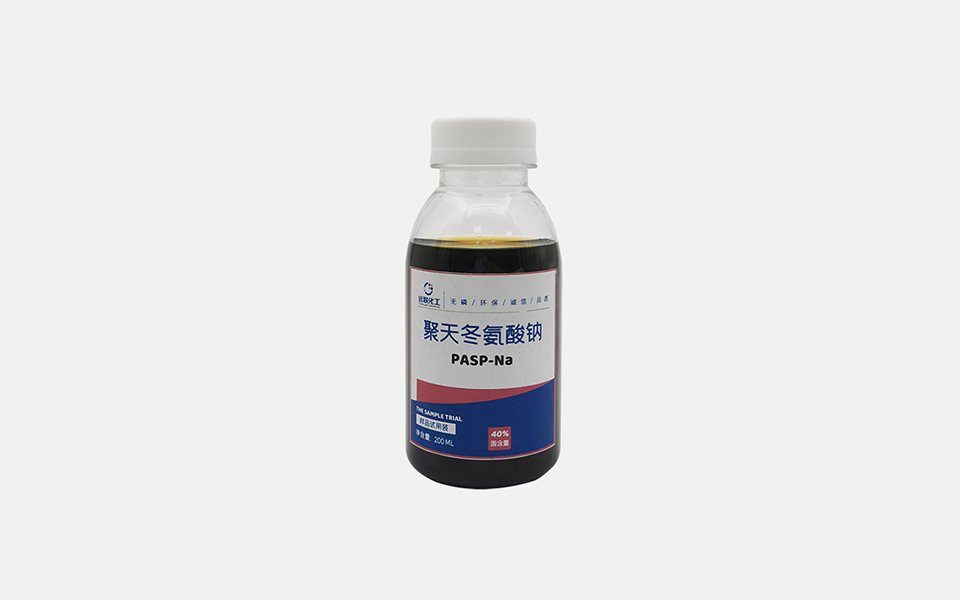
PASP is a biomimetic polymer that serves as a high-performance, green scale inhibitor and dispersant.
-
Biodegradability: Unlike traditional phosphonates, PASP is readily biodegradable, meeting the highest environmental standards.
-
Performance: It demonstrates exceptional inhibition of calcium carbonate, calcium sulfate, and barium sulfate scales.
-
Synergy: It works effectively in tandem with other inhibitors, often reducing the total chemical footprint of a treatment program.
4. Industrial Applications Across Europe
The choice of inhibitor is dictated by the specific application:
-
Cooling Water Systems: Focus on phosphonate-polymer blends to handle high cycles of concentration.
-
Boiler Water Treatment: High-pressure environments require oxygen scavengers and metal passivators to prevent caustic corrosion.
-
Oil & Gas (North Sea Operations): Specialized inhibitors are required to prevent "Souring" and scaling in subsea pipelines under extreme pressure.
-
Reverse Osmosis (RO): Antiscalants are crucial for protecting sensitive membranes in desalination plants.
5. Selecting the Right Treatment Program
Effective water treatment in the EU requires more than just chemicals; it requires compliance with REACH and local environmental directives. Formulators must balance the Langelier Saturation Index (LSI) with the discharge limits of the specific region.
Conclusion
Integrating advanced corrosion and scale inhibitors like Polyaspartic Acid ensures that industrial systems remain "Scale-Free" while minimizing environmental impact. For engineers looking to optimize thermal efficiency, selecting the right chemical synergy is the first step toward sustainable operations.
Yuanlian Chemical specializes in the production of polyaspartic acid (PASP),tetrasodium iminodisuccinate(IDS), GLDA, MGDA etc. with stable quality and excellent quantity!

Contact us