


-

- 2026-03-09
Beyond EDTA: Why GLDA (Tetrasodium Glutamate Diacetate) is the Future of Sustainable Chelation
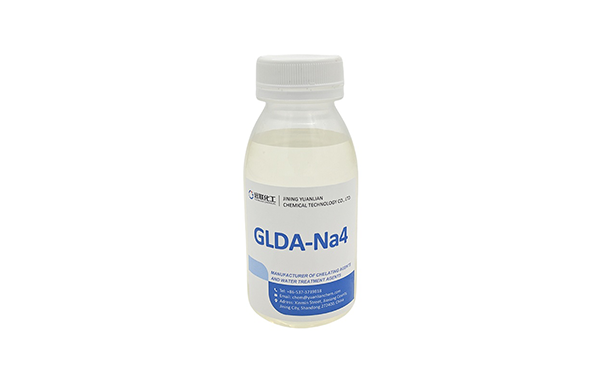
In the 2026 industrial landscape, "Green Chemistry" is no longer just a corporate social responsibility (CSR) buzzword—it is a core technical requirement. As global regulations like EU REACH and the Ecological Criteria for Detergents tighten, formulators are rapidly transitioning to Tetrasodium Glutamate Diacetate (GLDA-Na4).
Derived from natural L-glutamic acid, GLDA is redefining the balance between powerful performance and environmental stewardship.
1. The Environmental Profile: A Lifecycle Advantage
Unlike traditional synthetic chelating agents such as EDTA or NTA, which persist in the environment for decades, GLDA offers a "circular" lifecycle.
-
Natural Origin: GLDA is bio-based, primarily synthesized from plant-derived fermentation (such as sugar beet waste or molasses). This significantly reduces its carbon footprint compared to petroleum-based alternatives.
-
Rapid Biodegradability: According to OECD 301B standards, GLDA is classified as "readily biodegradable." It achieves over 60% degradation within 28 days and typically exceeds 98% primary biodegradation, ensuring no persistent residues are left in wastewater or soil.
-
Low Ecotoxicity: It exhibits exceptionally low toxicity to aquatic life (fish, algae, and daphnia). This makes it the ideal choice for "Ecolabel" certified products in Europe and the "Safer Choice" program in the US.
2. Technical Performance Without Compromise
A common myth is that "green" means "weak." GLDA disproves this through its robust chemical properties:
-
Exceptional Solubility: GLDA remains highly soluble across a massive pH range (pH 2 to 13). This makes it superior for highly alkaline industrial cleaners where other green chelates might precipitate.
-
High Chelation Capacity: With a calcium chelation value of approximately 450 mg/g, GLDA matches or exceeds the performance of EDTA in many cleaning and water-softening applications.
-
Synergy with Preservatives: In personal care products, GLDA acts as a booster, enhancing the efficacy of preservatives and allowing for lower dosage levels, which further improves skin compatibility.
3. 2026 Market Trends: The Shift Toward Bio-Based Solutions
The global market for green chelates is projected to reach $3.66 billion by 2030, with GLDA leading the growth at an 11.5% CAGR. Several key drivers are accelerating this adoption:
-
Concentrated Formulations: As brands shift toward "waterless" or highly concentrated liquid pods to reduce shipping emissions, GLDA’s high solubility allows for stable, high-active-content formulations (up to 47% liquid).
-
Organic Agriculture: GLDA-chelated micronutrients (Fe, Zn, Mn) are becoming the standard in sustainable farming. Unlike EDTA, GLDA releases nutrients to the roots and then degrades, preventing heavy metal accumulation in the soil.
-
Clean Label Personal Care: Consumers now demand "sulfate-free" and "EDTA-free" labels on their shampoos and soaps, positioning GLDA as the premium ingredient for high-end cosmetic brands.
Conclusion: Securing Your Supply Chain in a Green Era
The transition from EDTA to GLDA is an investment in both product quality and future-proofing against regulatory changes. By choosing a high-purity GLDA solution, manufacturers can achieve peak cleaning performance while proudly carrying the "Biodegradable" and "Eco-Friendly" labels.
Contact Our Technical Team
As a leading supplier of green chemical raw materials, we provide high-concentration (47% Liquid) GLDA-Na4 tailored for international trade.
-
Email: [email protected]
-
Technical Data Sheets (TDS) available upon request.
Yuanlian Chemical specializes in the production of polyaspartic acid (PASP),tetrasodium iminodisuccinate(IDS), GLDA, MGDA etc. with stable quality and excellent quantity!

Contact us