



-

- 2026-05-09
The Future of Micronutrient Delivery: Enhancing Nutrient Uptake with Fully Biodegradable GLDA Chelates
In the pursuit of sustainable global food security, the efficiency of micronutrient delivery has become a critical focal point for agronomists and fertilizer manufacturers. Traditional synthetic chelates like EDTA have served the industry for decades, but the future belongs to Green Chemistry.
GLDA (L-Glutamic Acid N,N-Diacetic Acid) is revolutionizing how we deliver essential metals like Zinc (Zn), Iron (Fe), Manganese (Mn), and Copper (Cu) to crops.
1. The Challenge of Micronutrient Fixation
Micronutrients are often "locked" in the soil due to pH imbalances, high carbonate content, or interactions with phosphorus. Without a stable delivery vehicle, these essential elements become unavailable to the plant, leading to deficiencies and reduced yields.
Chelation is the solution, but not all chelates are created equal. As environmental regulations tighten, the industry is shifting away from persistent synthetic agents toward readily biodegradable alternatives.
2. Why GLDA is the Superior "Green" Carrier
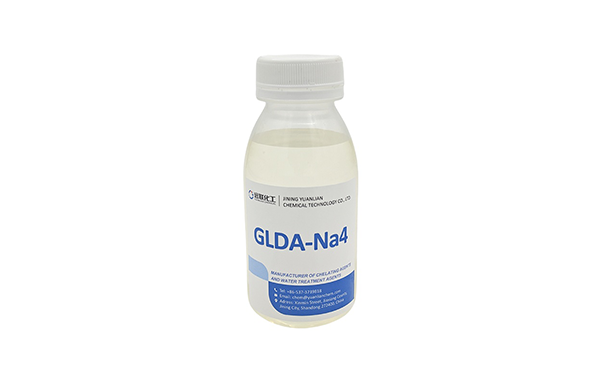
Complete Biodegradability (OECD 301B)
Unlike EDTA, which can persist in soil and groundwater for years, GLDA is derived from natural plant-based L-glutamic acid. It passes the OECD 301B test for ready biodegradability, breaking down into harmless natural components. This prevents heavy metal accumulation in the ecosystem—a key selling point for eco-conscious agricultural brands.
High Solubility and Stability
GLDA chelates exhibit exceptional solubility across a wide pH range. This is vital for:
-
Foliar Sprays: Rapid absorption through the leaf cuticle without phytotoxicity.
-
Fertigation: Remaining stable in concentrated liquid fertilizer blends without precipitation.
-
Soil Application: Maintaining nutrient availability in alkaline or calcareous soils where traditional nutrients would otherwise fail.
3. Comparing Nutrient Uptake Efficiency
Research suggests that biodegradable chelates like GLDA provide a more "bio-available" nutrient stream. Because the plant can more easily metabolize the organic ligand (the GLDA molecule), the micronutrients are released and transported within the plant tissues more efficiently than with more rigid, persistent chelates.
| Feature | GLDA Chelates | Traditional (EDTA) |
| Origin | Plant-based (Bio-based) | Synthetic/Petrochemical |
| Biodegradability | Readily Biodegradable | Persistent/Non-biodegradable |
| pH Stability | Excellent (pH 2-11) | Good (pH 4-10) |
| Regulatory Risk | Low/Eco-friendly | High (Increasing restrictions) |
4. Strategic Advantages for Fertilizer Manufacturers
Incorporating GLDA into your product line offers a dual competitive edge:
-
Performance: Superior stability in liquid formulations and enhanced tank-mix compatibility.
-
Marketing: Positioning your brand as a leader in Sustainable Precision Agriculture and "Carbon-Neutral" farming initiatives.
Conclusion: A Sustainable Harvest
The transition to GLDA chelates is more than just an environmental choice—it is a performance upgrade. By enhancing nutrient uptake while protecting the soil microbiome, GLDA represents the next generation of micronutrient delivery systems.
Ready to transition to biodegradable chelation technology?
-
[Download our Technical Application Guide]
-
[Request a Sample of GLDA-Chelated Micronutrients]
-
[Consult with our Agronomy Experts]
Yuanlian Chemical specializes in the production of polyaspartic acid (PASP),tetrasodium iminodisuccinate(IDS), GLDA, MGDA etc. with stable quality and excellent quantity!

Contact us