



In the production of high-strength α-gypsum and specialized construction plasters, controlling setting time is a delicate balancing act. While organic acids like citric acid have historically been the industry standard, they often come with a significant "strength penalty." Today, amino acid-based retarders are revolutionizing the field by providing precise setting control without compromising the structural integrity of the hardened gypsum matrix.
To understand why amino acid technology is superior, we must look at the molecular interactions at the crystal level.
1. Molecular Architecture: Amino Acids vs. Citric Acid
The difference in performance begins with the functional groups of the molecules and how they interact with the Calcium Sulfate (CaSO4) lattice.
- Citric Acid (Tricarboxylic Acid): Citric acid possesses three carboxyl groups (-COOH) that have an extremely high affinity for calcium ions. Its small, rigid structure leads to aggressive chelation, which can interfere with the initial formation of crystal nuclei too abruptly.
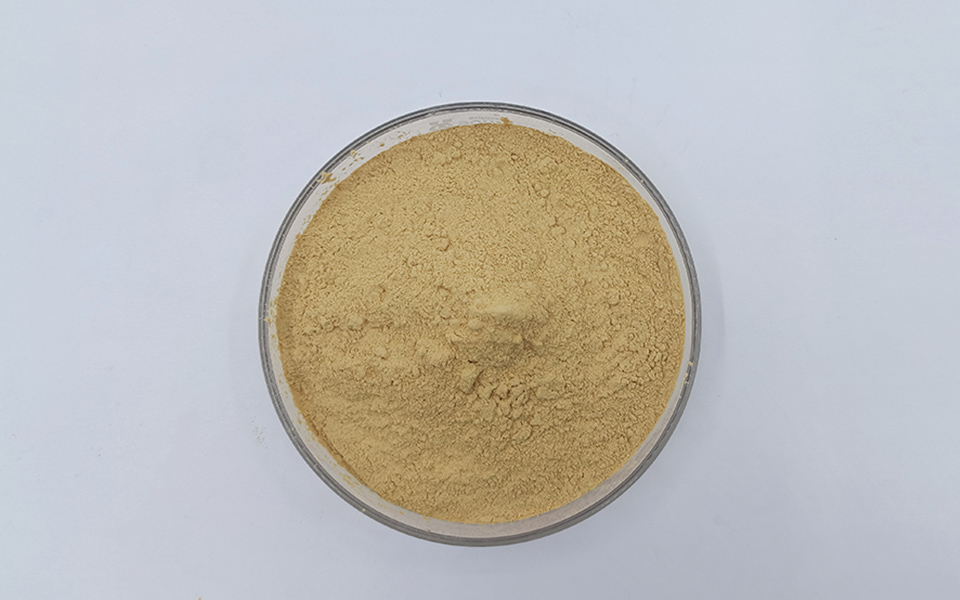
- Amino Acid Polymers (Polypeptide Chains): Amino acid-based retarders consist of multiple functional groups, including carboxyl, amino (-NH₂), and sometimes hydroxyl groups arranged along a peptide backbone. This "multi-point" structure allows for a more moderated and stable adsorption onto the gypsum crystal surfaces.
2. Inhibition vs. Destruction: How Strength is Preserved
The most critical distinction between these two technologies lies in their effect on the gypsum crystal morphology (the shape and growth of the crystals).
Citric Acid: The Risk of Crystal Distortion
Citric acid works by strongly chelating calcium ions in the solution, which significantly delays the transition from hemihydrate to dihydrate. However, it often distorts the crystal growth. Instead of forming long, needle-like crystals that interlock tightly, citric acid can cause the formation of short, plate-like, or "stubby" crystals. This disrupted micro-structure leads to a significant drop in compressive and flexural strength once the gypsum is dry.
Amino Acids: Regulated Growth without Structural Damage
Amino acid technology operates through a mechanism of controlled inhibition rather than structural interference:
- Selective Adsorption: Amino acid molecules selectively adsorb onto the active growth sites (the tips) of the calcium sulfate dihydrate crystals.
- Growth Slowdown: By "capping" these growth sites, the amino acids slow down the rate of crystal elongation without changing the fundamental needle-like (acicular) shape of the crystals.
- Superior Interlocking: Because the crystals maintain their natural elongated shape, they interlock more effectively during the hardening process. This results in a dense, high-strength crystalline matrix with minimal loss of mechanical properties.
3. Practical Advantages for High-Strength Gypsum Applications
For manufacturers of self-leveling floors, molding plasters, and gypsum blocks, switching to amino acid technology offers measurable benefits:
- Minimal Strength Loss: Typically preserves 90-95% of the original strength, compared to the 20-40% loss often seen with high dosages of citric acid.
- Linear Retardation: Provides a more predictable relationship between dosage and setting time, simplifying the production process.
- Improved Workability: The regulated crystal growth contributes to better flow characteristics in liquid gypsum mixtures.
Conclusion: Performance Without Compromise
While citric acid remains a cost-effective option for low-end applications, amino acid technology is the undisputed choice for high-strength gypsum products. By shifting the focus from "chelation-heavy" delay to "growth-regulated" inhibition, manufacturers can achieve the precise setting times required by modern construction without sacrificing the mechanical durability of their products.
Technical Support & Strength Testing
Are you experiencing strength drops in your high-strength gypsum formulations? Contact our technical lab to compare the performance of our amino acid retarders against traditional organic acids. We offer customized dosage testing .

Contact us