



-

- 2026-05-26
Potassium Polyaspartate for Wine: The European Enologist’s Solution for Tartrate Stability Without Cold Stabilization
Introduction
For decades, European winemakers have faced the same quiet adversary: tartrate crystals. Those harmless but unsightly potassium bitartrate precipitates can appear in a bottle long after a wine has left the cellar, often surprising consumers who mistake them for glass shards or wine faults. Traditional cold stabilization—chilling wine for weeks near freezing—has been the standard fix. But it is energy-intensive, time-consuming, and can strip away some of the wine’s delicate character.
That is why more oenologists across Bordeaux, Tuscany, and the Rhône Valley are turning to potassium polyaspartate. This modern, food-grade additive offers a smarter path to tartrate stability, cutting energy costs and preserving wine quality. And unlike older methods, it works without prolonged cold treatment.
What Is Potassium Polyaspartate and How Does It Work?
Potassium polyaspartate is a biodegradable polymer that interferes with the crystallisation process of potassium bitartrate. When added to wine at very low doses—typically 20–40 g/hL—it prevents tartrate ions from assembling into visible crystals. The wine remains perfectly stable even during cold winters in unheated storage or after shipping through alpine routes.
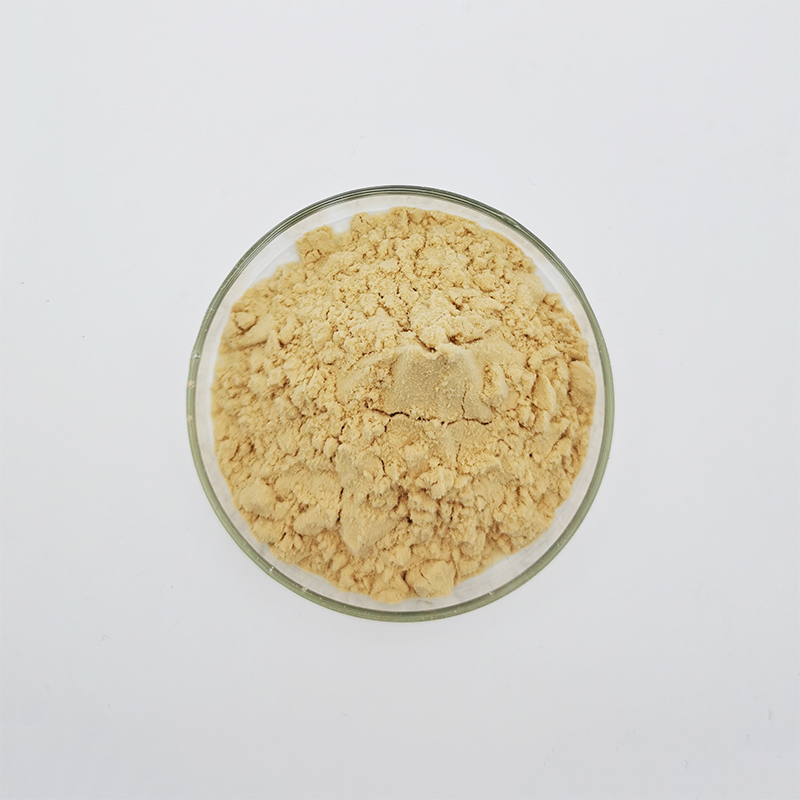
From a chemical standpoint, it is not a sequestrant but a crystal growth inhibitor. That means it does not remove tartaric acid from the wine. Instead, it keeps any crystals that do form microscopically small, so they never become visible or gritty. The wine stays crystal-clear without losing its natural acidity balance.
Why European Regulations and Consumers Approve
Potassium polyaspartate is authorised under EU Regulation (EC) No 606/2009 for use in all wine categories, including PDO and PGI wines. Its safety profile is well established: the polymer degrades into aspartic acid, a naturally occurring amino acid found in grapes and many foods. No allergen labelling is required.
European consumers are increasingly sensitive to “ultra-processed” wine labels, but potassium polyaspartate does not raise those concerns. It leaves no off-flavours, does not affect mouthfeel, and works without filtration or fining agents. Wineries using it can still claim minimal intervention, as long as additive use is disclosed on technical sheets.
Cost and Energy Savings: A Game Changer for Mid-Sized Wineries
Cold stabilization can account for up to 30% of a winery’s electricity bill during peak production. For a 50,000-bottle winery in Loire or Catalonia, that means thousands of euros spent on chilling, insulation, and temperature monitoring every harvest.
Potassium polyaspartate removes the need for cold treatment altogether. You add it post-fermentation, before or after filtration, and the wine is stable immediately. No holding tanks, no waiting for cold weather, no risk of CO₂ pickup during tank headspace purging. The savings in energy and time alone often cover the cost of the additive several times over.
Real-World Application: How to Use It in Your Cellar
Adding potassium polyaspartate is straightforward. Dissolve the required amount in a small volume of cold or room-temperature water (never hot), then mix gently into the wine tank. A simple pump-over or stirring is enough. The compound disperses rapidly and works within hours.
Most producers add it during final adjustment or just before bottling. It is compatible with SO₂, sorbic acid, and dimethyldicarbonate (DMDC), as well as common fining agents like bentonite. However, avoid adding it before protein stabilization treatments, because bentonite can adsorb part of the polymer. The sequence typically is: protein stabilization first, then potassium polyaspartate, then filtration.
For European rosé and white wines, especially those with high pH (above 3.4), potassium polyaspartate performs remarkably well. Red wines with moderate tannin levels also benefit, though heavy tannic structures may slightly reduce efficiency—so a mini trial is always wise.
Where Trusted Brands Come In: The Example of Yuanlian Chemical
Not all potassium polyaspartate products are equal. Particle size, purity, and dissolution rate vary by manufacturer. One name increasingly seen on European technical datasheets is Yuanlian Chemical, which produces a wine-grade potassium polyaspartate that meets EU purity specifications. Their product dissolves cleanly without foaming or residues, and batch-to-batch consistency is excellent—critical for producers exporting to strict markets like Germany or Switzerland. Several Italian cooperative wineries have quietly switched to Yuanlian’s additive after comparing cold stability trial results.
Potential Drawbacks (Honest Advice)
No solution is perfect. Potassium polyaspartate does not remove existing crystals, so if your wine already has visible tartrate sediment, you must filter it out first. The additive only prevents new crystals. Also, it does not work for calcium tartrate stabilization—that requires other methods like electrodialysis or metatartaric acid.
Some winemakers worry about long-term stability beyond 24 months. Studies show potassium polyaspartate remains effective for at least three years, but for wines intended for five-year plus ageing, a cautious approach is to combine it with a mild cold shock test before final release.
Conclusion: A Smart Step Forward for European Wine Quality
Tartrate stability should not require freezing wine like a commodity juice. Potassium polyaspartate offers European enologists a proven, energy-free alternative that aligns with both regulatory demands and modern sustainability goals. It preserves the wine’s natural structure, cuts operational costs, and satisfies the increasingly science-savvy wine buyer.
Whether you manage a small Domaine in Burgundy or a large cooperative in La Mancha, running a side-by-side trial with a quality supplier—like the solutions from Yuanlian Chemical—can be the fastest way to modernise your cold stability protocol. The future of wine stabilization does not need to be cold. It just needs to be smart.
Yuanlian Chemical specializes in the production of polyaspartic acid (PASP),tetrasodium iminodisuccinate(IDS), GLDA, MGDA etc. with stable quality and excellent quantity!

Contact us