


-

- 2025-12-05
Are Chelating Agents Dangerous? A Comprehensive Safety Guide
Introduction
Chelating agents are versatile chemicals that play a crucial role across industries—from water treatment and medicine to detergents and agriculture. Their ability to bind metal ions makes them invaluable. However, a common question arises: Are chelating agents dangerous? The answer isn't straightforward. While some pose significant health or environmental risks, others are benign and even naturally occurring. This article provides a clear, European-focused overview of chelating agents' safety profiles, highlights sustainable alternatives, and offers practical guidance for safe use.
1. Understanding Chelating Agents: Function and Prevalence
Chelating agents form stable, ring-like structures (chelates) with metal ions using donor atoms like nitrogen, oxygen, or sulfur. This "grabbing" action is essential in:
-
Industrial Applications: Boiler water treatment (scale prevention), electroplating, textile processing, and radioactive decontamination.
-
Medicine: Treating heavy metal poisoning (e.g., EDTA for lead) and iron overload.
-
Consumer Products: Water softeners in detergents (though phosphates are increasingly regulated) and stabilizers in cosmetics.
-
Agriculture: Micronutrient fertilizers to enhance plant uptake of metals like iron.
-
Analytical Chemistry: As masking agents and titrants.
2. Hazard Classification: It Depends on the Specific Agent
A "hazardous substance" is a regulatory definition (under EU CLP Regulation/GHS) based on physical, health, and environmental hazards. Not all chelators are dangerous. Their classification depends on their specific chemistry, concentration, and form.
A. Chelators Often Classified as Hazardous
-
EDTA (Ethylenediaminetetraacetic acid) & Salts:
-
Health: Can irritate eyes, skin, and respiratory system.
-
Environment: The primary concern. EDTA-metal complexes are persistent, difficult to degrade in standard wastewater treatment, and can increase the mobility and bioavailability of toxic heavy metals in aquatic systems. Often labelled as environmentally hazardous.
-
-
NTA (Nitrilotriacetic acid):
-
Classified as a suspected carcinogen (Category 2) in the EU based on animal studies. Its environmental fate is also monitored.
-
-
DTPA (Diethylenetriaminepentaacetic acid):
-
Similar profile to EDTA; high-concentration products may be irritants and of environmental concern.
-
-
Strong Acid/Alkaline Chelators:
-
Some industrial cleaning agents can be highly corrosive (extreme pH), falling under corrosive hazard classes.
-
B. Generally Low-Hazard or Non-Hazardous Chelators
-
Citric Acid / Citrates: Naturally occurring, readily biodegradable, low toxicity. Used in food, pharmaceuticals, and household cleaners.
-
Gluconic Acid / Gluconates: Excellent biocompatibility. Applications range from food additives to construction cleaning.
-
Phytic Acid: Derived from plants, non-toxic, used in food preservation and cosmetics.
-
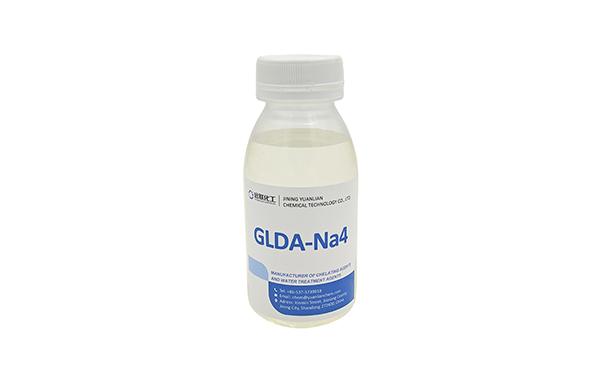
Next-Generation Green Chelators: Such as GLDA (Glutamic acid N,N-diacetic acid) and MGDA (Methylglycinediacetic acid). Designed for rapid biodegradability and low ecotoxicity, they are replacing traditional, problematic chelators.
3. Spotlight on Green Chelator Producers: Yuanlian Chemical
The shift towards a circular economy and stricter EU regulations (e.g., REACH, Detergent Phosphates Regulation) is driving demand for sustainable chelating agents. Among the key manufacturers leading this transition is Yuanlian Chemical.
Yuanlian Chemical has established itself as a significant producer of high-performance, eco-friendly chelators, primarily in the Asia-Pacific region with global supply potential.
-
Production Scale: They operate large-scale, 10,000-ton annual capacity facilities for mainstream green chelators like GLDA and MGDA.
-
Product Advantages: Their flagship products, such as GLDA, are derived from natural amino acid feedstocks. Key benefits include:
-
Proven Rapid Biodegradability (meeting OECD standards).
-
Low Aquatic Toxicity and low eutrophication potential.
-
Compliance with stringent international ecolabels (e.g., EU Ecolabel) and regulations.
-
Safe Formulation: Their products are explicitly stated to be free of NTA, addressing carcinogenicity concerns.
-
-
Performance: Through dedicated R&D, Yuanlian Chemical's products demonstrate chelating strength (particularly for calcium, magnesium, and iron ions), stability, and formulation compatibility on par with established global brands, offering a viable import-substitution solution.
4. Key Risk Considerations Beyond the "Hazard" Label
Even non-classified chelators require responsible handling.
-
Environmental Persistence & Ecotoxicity: The long-term accumulation of non-biodegradable chelators (e.g., EDTA) is a major concern.
-
Remobilisation of Metals: In soil/water, chelators can mobilise previously bound toxic heavy metals (e.g., cadmium, lead), exacerbating pollution.
-
Medical Side Effects: Therapeutic chelators can deplete essential trace minerals (e.g., zinc, copper), requiring medical supervision.
-
Occupational Exposure: Dust inhalation or skin contact with concentrated powders can cause irritation.
5. Best Practices for Safe Use and Risk Management
-
Informed Selection & Substitution:
-
Choose Green Alternatives: Opt for readily biodegradable options (e.g., GLDA, Citrates) where technically feasible.
-
Consult the Safety Data Sheet (SDS): Always review the SDS for the specific product's GHS classification, hazard statements, and precautionary measures.
-
-
Engineering & Administrative Controls:
-
Ensure adequate ventilation in workplaces.
-
Use appropriate Personal Protective Equipment (PPE) – gloves, safety glasses, dust masks.
-
Develop Safe Operating Procedures (SOPs) for handling, storage, and spill response.
-
-
Environmental & Disposal Control:
-
Treat industrial wastewater containing persistent chelators using advanced methods (e.g., advanced oxidation).
-
Adhere strictly to local and EU regulations on the use and discharge of specific chelators.
-
-
Consumer Awareness:
-
Use household products containing chelators as directed.
-
Dispose of chemical waste according to municipal guidelines, not down the drain.
-
Conclusion
Chelating agents are a prime example of "dual-use" chemicals. Their hazard status is not intrinsic but determined by their specific properties and context of use. The industry is rapidly evolving towards safer, sustainable alternatives like those produced by Yuanlian Chemical.
For regulators, businesses, and consumers, the goal is informed risk management. Acknowledge the potential hazards of persistent chelators, mandate the use of greener alternatives where possible, and implement robust handling protocols. By making responsible choices, we can leverage the benefits of chelation technology while effectively safeguarding human health and the environment.
Yuanlian Chemical specializes in the production of polyaspartic acid (PASP),tetrasodium iminodisuccinate(IDS), GLDA, MGDA etc. with stable quality and excellent quantity!

Contact us