



-

- 2025-12-29
Methylglycinediacetic Acid Trisodium Salt (MGDA Na3): A Comprehensive Guide
In the world of modern chelating agents and biodegradable sequestrants, Methylglycinediacetic Acid Trisodium Salt has emerged as a powerful and eco-friendlier alternative. Commonly referred to as MGDA Na3 or Trisodium MGDA, this organic compound is revolutionizing formulations across industries from household cleaning to water treatment. But what exactly is it, and why is it gaining such prominence? This ultimate guide dives deep into the science, applications, and best practices for handling MGDA Na3.
1. What is Methylglycinediacetic Acid Trisodium Salt (MGDA Na3)?
Methylglycinediacetic Acid Trisodium Salt is the trisodium salt of methylglycinediacetic acid. It belongs to the family of amino polycarboxylates and is a strong, readily biodegradable chelating agent. In simple terms, a chelating agent is a molecule that can "grab" and bind metal ions (like calcium, magnesium, and heavy metals) in water, preventing them from interfering with chemical processes.
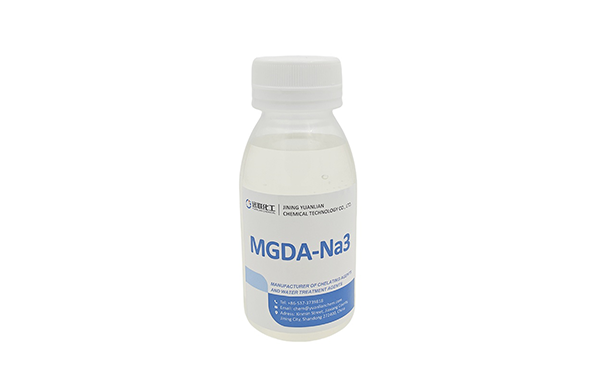
MGDA Na3 is celebrated as a high-performance, more sustainable substitute for traditional phosphates and older chelants like EDTA (ethylenediaminetetraacetic acid), which is persistent in the environment. Its superior biodegradability and effectiveness across a wide pH range make it a preferred choice for formulators seeking greener solutions without compromising performance.
2. Physical and Chemical Characteristics of MGDA Na3
Understanding the properties of MGDA is key to leveraging its benefits. Here are its core characteristics:
-
Chemical Formula: C<sub>7</sub>H<sub>9</sub>NNa<sub>3</sub>O<sub>6</sub>
-
CAS Number: 164462-16-2
-
Appearance: Typically a clear, colorless to slightly yellowish liquid solution, or a white crystalline powder.
-
Solubility: Highly soluble in water, which makes it easy to incorporate into aqueous formulations.
-
Chelating Strength: Exhibits excellent sequestering power for di- and trivalent metal ions (Ca<sup>2+</sup>, Mg<sup>2+</sup>, Fe<sup>3+</sup>, Cu<sup>2+</sup>). Its stability constants are particularly favorable for hardness ions.
-
Biodegradability: The standout feature. MGDA meets OECD standards for ready biodegradability (e.g., >60% degradation in 28 days), breaking down naturally in the environment, unlike EDTA or NTA.
-
pH Stability: Effective across a broad pH range, maintaining its chelating ability in both acidic and alkaline conditions (from approx. pH 3 to 11).
-
Compatibility: Generally compatible with other surfactants, builders, and enzymes commonly used in detergent and cleaning formulations.
3. Key Application Fields of MGDA Trisodium Salt
The versatility of MGDA Na3 drives its adoption across multiple sectors. Its primary function is to control water hardness and inactivate metal ions.
-
Detergents and Cleaning Products:
-
Laundry Detergents (Liquid & Powder): As a phosphate-free builder, it enhances cleaning efficiency by softening water, protecting enzymes, and preventing soil redeposition on fabrics.
-
Automatic Dishwashing (ADW) Tablets & Liquids: Crucial for preventing lime scale deposits on dishes and machine interiors, ensuring spot-free results.
-
Industrial & Institutional (I&I) Cleaners: Used in hard surface cleaners, degreasers, and sanitation products where water hardness can reduce efficacy.
-
-
Water Treatment:
-
Acts as a scale inhibitor in cooling and boiler water systems, preventing the precipitation of calcium and magnesium salts.
-
Used to control metal ions in industrial process water.
-
-
Personal Care and Cosmetics:
-
Functions as a chelant in shampoos, liquid soaps, and creams to stabilize the formula, protect fragrance/color, and improve shelf life by sequestering trace metals that can cause rancidity.
-
-
Agriculture and Fertilizers:
-
Used in micronutrient fertilizers to chelate essential metals like iron, zinc, and copper, making them more bioavailable to plants.
-
-
Pulp and Paper Industry:
-
Helps in bleaching processes by stabilizing peroxides and controlling metal catalysts.
-
4. Proper Storage and Handling Recommendations
To maintain the quality and effectiveness of MGDA Na3:
-
Storage Conditions: Store in a cool, dry, and well-ventilated place. For liquid forms, protect from freezing. Keep containers tightly closed.
-
Packaging: Typically available in HDPE drums (liquid) or multi-layer bags (powder).
-
Shelf Life: Generally has a long shelf life (2+ years) when stored under recommended conditions. Always check the manufacturer's specifications.
5. Important Safety and Handling Notes
While MGDA Na3 is considered safer and more environmentally benign than many alternatives, prudent handling is always advised.
-
Safety Data Sheet (SDS): Always consult the latest Safety Data Sheet provided by your supplier before use.
-
Personal Protective Equipment (PPE): Use standard PPE such as safety glasses and gloves when handling to avoid eye or skin contact. Use dust masks if handling powder in poorly ventilated areas.
-
First Aid: In case of eye contact, rinse immediately with plenty of water. For skin contact, wash with soap and water. If ingested, seek medical advice.
-
Environmental Note: Although readily biodegradable, avoid release into drains or the environment in large quantities. It complies with major regulatory frameworks (REACH, etc.) for its intended uses.
FAQ: Common Questions About MGDA Na3
Q1: How does MGDA compare to EDTA?
A: MGDA offers comparable chelating performance to EDTA for hardness ions but with the critical advantage of being readily biodegradable, making it a more sustainable choice.
Q2: Is MGDA Na3 phosphate-free?
A: Yes, it contains no phosphorus and is an excellent phosphate replacer in detergent formulations, helping to reduce eutrophication in water bodies.
Q3: Can MGDA be used in food-grade applications?
A: Specific grades may be suitable, but you must always source and use a grade that is explicitly certified for food-contact or food-grade applications according to relevant regulations (e.g., FDA, EFSA).
Q4: Is MGDA compatible with bleach (peroxide)?
A: Yes, MGDA is generally stable and compatible with peroxide bleaches and can even help stabilize them by chelating catalytic metal ions.
Conclusion
Methylglycinediacetic Acid Trisodium Salt (MGDA Na3) represents the evolution of chelation technology—combining high performance with environmental responsibility. Its powerful sequestering ability, broad pH stability, and excellent biodegradability profile make it an indispensable ingredient for formulators in the cleaning, personal care, water treatment, and agricultural industries. By choosing MGDA, companies can enhance product performance while aligning with global trends towards greener chemistry and sustainable formulations.
Yuanlian Chemical specializes in the production of polyaspartic acid (PASP),tetrasodium iminodisuccinate(IDS), GLDA, MGDA etc. with stable quality and excellent quantity!

Contact us