


-

- 2025-12-29
The Ultimate Guide to GLDA (Tetrasodium Glutamate Diacetate): A High-Performance, Eco-Friendly Chelating Agent
What is GLDA (Tetrasodium Glutamate Diacetate)?
GLDA, or Tetrasodium Glutamate Diacetate, is a powerful, readily biodegradable chelating agent derived from natural, renewable raw materials. As a next-generation alternative to traditional chelators like EDTA and NTA, GLDA has gained significant traction for its exceptional eco-profile and high efficacy. It is the tetrasodium salt of L-glutamic acid N,N-diacetic acid, offering superior sequestering power for a wide range of metal ions, particularly in challenging conditions.
This sustainable solution is manufactured through a green chemical process, aligning with the global shift towards environmentally responsible ingredients without compromising performance.
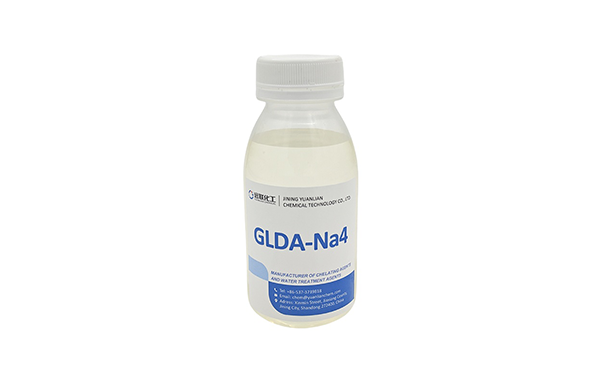
Key Physical and Chemical Characteristics of GLDA
Understanding the properties of GLDA is crucial for its effective application. Below is a summary of its core characteristics:
| Property | Specification / Description |
|---|---|
| Chemical Name | Tetrasodium Glutamate Diacetate; Tetrasodium Salt of L-Glutamic Acid N,N-Diacetic Acid |
| CAS Number | 51981-21-6 |
| Molecular Formula | C₉H₉NNa₄O₈ |
| Appearance | Clear to slightly yellowish liquid, or white crystalline powder (depending on grade) |
| Active Content | Typically 38-50% in solution, ~95% for powder |
| pH (1% Solution) | Approximately 10.5 - 11.5 |
| Biodegradability | Readily biodegradable (OECD 301 standards) |
| Chelating Strength | Excellent binding capacity for Ca²⁺, Mg²⁺, Fe²⁺/³⁺, Cu²⁺, and other heavy metals. |
| Stability | Effective over a broad pH range, with outstanding stability under alkaline conditions. |
| Solubility | Highly soluble in water. |
Major Application Fields of GLDA
Thanks to its strong chelation, biodegradability, and safety profile, GLDA serves as a versatile ingredient across numerous industries.
1. Cleaning & Detergents
GLDA is a cornerstone of modern, sustainable cleaning formulations. It boosts the performance of laundry detergents, dishwashing liquids, and hard surface cleaners by inactivating water hardness minerals (calcium and magnesium) and stabilizing bleach. This prevents scale formation and ensures cleaning agents work at peak efficiency, even in hard water.
2. Personal Care & Cosmetics
In shampoos, liquid soaps, and other personal care products, GLDA acts as a gentle yet effective chelator. It helps stabilize formulas, preserve clarity, and enhance the activity of preservatives. Its natural origin and mildness make it suitable for sensitive skin applications.
3. Agriculture
GLDA is utilized in micronutrient fertilizers and agrochemical solutions. It chelates essential nutrients like iron, zinc, and manganese, creating stable complexes that plants can easily absorb, thereby correcting deficiencies and improving crop health.
4. Water Treatment
In industrial water treatment systems, GLDA helps control scale and metal ion deposits in boilers and cooling towers. Its biodegradability makes it a preferred choice for environmentally sensitive applications compared to persistent alternatives.
5. Pulp & Paper Industry
It is used to chelate metal ions that can catalyze the degradation of hydrogen peroxide, a common bleaching agent. This stabilization improves bleaching efficiency and protects paper quality.
6. Textile Processing
GLDA assists in various textile processes such as bleaching, dyeing, and scouring by sequestering interfering metal ions, leading to more consistent, brighter colors and improved fabric quality.
Proper Storage and Handling
To maintain the quality and shelf life of GLDA (typically 2 years from production date), follow these storage guidelines:
-
Storage Conditions: Store in a cool, dry, and well-ventilated place. Keep containers tightly closed when not in use.
-
Temperature: For liquid grades, protect from freezing. Ideal storage temperature is between 5°C and 40°C.
-
Packaging: Available in HDPE drums, IBCs (Intermediate Bulk Containers), or bulk tankers for liquids, and multi-layer bags for powder.
-
Material Compatibility: Use storage tanks and pipes made of stainless steel, fiberglass, or plastics like PE/PP. Avoid prolonged contact with carbon steel or copper alloys.
Important Precautions & Safety Notes
While GLDA is recognized for its favorable environmental and toxicological profile, safe industrial handling is always paramount.
-
Safety Data Sheet (SDS): Always consult the latest Safety Data Sheet (SDS) before handling the product.
-
Personal Protection (PPE): Wear appropriate protective equipment, including safety goggles, gloves, and protective clothing, to prevent eye and skin contact. Use in well-ventilated areas.
-
First Aid: In case of eye contact, rinse immediately with plenty of water for several minutes. For skin contact, wash thoroughly with soap and water. If ingested, seek medical advice.
-
Environmental Note: Despite being readily biodegradable, avoid release into drains or waterways in large quantities. Local regulations must be observed.
Why Choose GLDA as Your Chelating Agent?
Choosing Tetrasodium Glutamate Diacetate (GLDA) is a strategic decision for businesses aiming to:
-
Enhance Sustainability: Meet stringent environmental regulations and consumer demand for green products.
-
Maintain High Performance: Achieve superior sequestering power, especially in alkaline formulations.
-
Ensure Safety: Utilize an ingredient with a strong safety profile for both users and the environment.
-
Future-Proof Formulations: Transition away from legacy, persistent chelating agents towards a circular economy model.
Ready to innovate your formulations with the power of biodegradable chelation? Contact our technical team today to request a free sample of GLDA or to discuss how it can optimize your specific application. Let's build more effective and sustainable products together.
Yuanlian Chemical specializes in the production of polyaspartic acid (PASP),tetrasodium iminodisuccinate(IDS), GLDA, MGDA etc. with stable quality and excellent quantity!

Contact us