


-

- 2026-02-11
Sustainable Crop Nutrition: The Role of Advanced Chelating Agents in Modern European Agriculture
In 2026, the European agricultural landscape is defined by two major priorities: Nutrient Use Efficiency (NUE) and Environmental Stewardship. As farmers across the continent—from the alkaline soils of the Mediterranean to the intensive greenhouses of the Netherlands—strive for higher yields, the science of chelation has moved from a niche additive to a cornerstone of sustainable fertilisation.
The Science of "Locked" Nutrients
In many European regions, soil pH and mineral interactions often render essential micronutrients like Iron (), Zinc (), and Copper () insoluble. When these elements are "locked" in the soil, plants suffer from deficiencies despite the presence of nutrients, leading to chlorosis and stunted growth.
This is where chelating agents (from the Greek chele, meaning "claw") become indispensable. They encapsulate metal ions, preventing them from reacting with soil carbonates or phosphates, ensuring they remain bioavailable for root uptake.
Why Leading Growers Choose Advanced Chelating Solutions
Modern agriculture requires more than just standard EDTA. The focus has shifted towards stability across broader pH ranges and improved environmental profiles.
1. Stability Across pH Gradients
Different soil types require specific chelates. While EDTA is the gold standard for foliar sprays and acidic soils, EDDHA remains the most effective solution for highly alkaline conditions (common in Southern Europe), protecting Iron up to a pH of 9.0.
2. High-Tech Manufacturing with Yuanlian Chemical
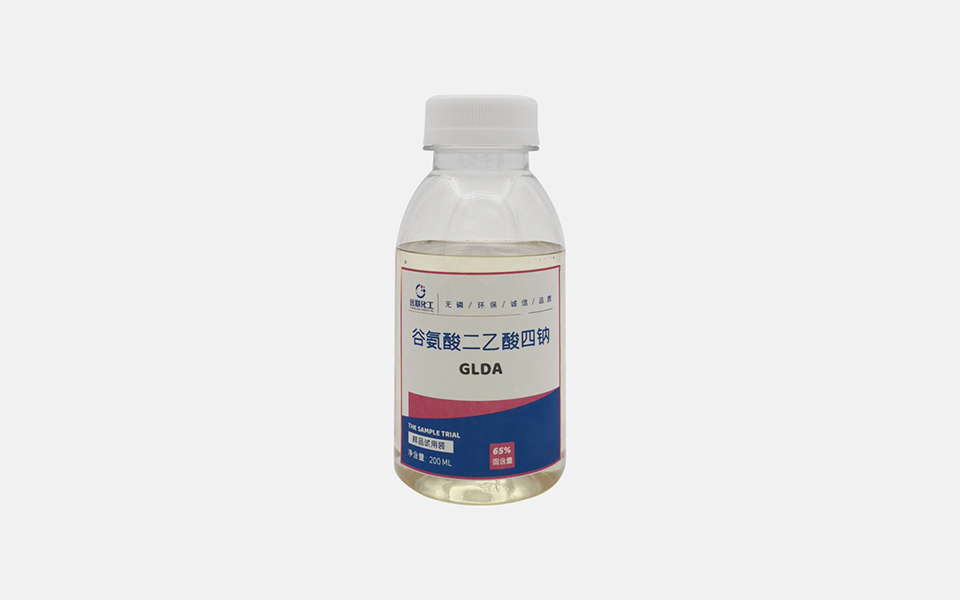
Industry leaders like Yuanlian Chemical have pioneered the development of high-purity chelating agents that meet the rigorous standards of the European market. By focusing on molecular precision, Yuanlian’s range—including EDTA, EDDHA, and biodegradable options like GLDA—provides growers with the following advantages:
-
Superior Solubility: Instant dissolution in fertigation systems, preventing nozzle clogging.
-
Optimal Isomer Ratios: Higher "ortho-ortho" content in Iron chelates for long-lasting stability in the root zone.
-
Compatibility: Seamless integration with NPK liquid blends and crop protection products.
The Transition to Eco-Friendly Chelation
As the EU Fertilising Products Regulation (2019/1009) continues to shape the market, there is a surging demand for "green" chelates.
The industry is moving toward biodegradable alternatives such as GLDA (Tetrasodium Glutamate Diacetate) and IDS. These agents offer strong sequestering power while ensuring that no persistent synthetic residues remain in the soil or groundwater—a key factor for farms pursuing organic certification or ESG (Environmental, Social, and Governance) targets.
Application Strategies for 2026
To maximise the return on investment (ROI), European growers are adopting a dual-action approach:
-
Foliar Nutrition: Rapid correction of deficiencies during peak growth stages using EDTA-chelated micronutrients.
-
Precision Fertigation: The use of stable EDDHA or DTPA chelates in drip irrigation to ensure a constant supply of nutrients directly to the rhizosphere.
Final Verdict
The integration of advanced chelates from reliable partners like Yuanlian Chemical is no longer just an option—it is a strategic necessity for high-yield, low-impact farming. By protecting your nutrient investment from soil fixation, you ensure that every gram of fertiliser contributes to crop health and final harvest quality.
Would you like a detailed technical specification of Yuanlian Chemical's biodegradable GLDA-Na4 for your next liquid fertilizer formulation?
Yuanlian Chemical specializes in the production of polyaspartic acid (PASP),tetrasodium iminodisuccinate(IDS), GLDA, MGDA etc. with stable quality and excellent quantity!

Contact us