


-

- 2026-02-14
The Ultimate Guide to EDTA (Ethylenediaminetetraacetic Acid): Applications, Benefits, and Selection
In the world of industrial chemistry, few compounds are as versatile and essential as EDTA (Ethylenediaminetetraacetic Acid). Often referred to as a "molecular claw," EDTA is the gold standard for metal ion chelation. Whether you are in the food, pharmaceutical, or textile industry, understanding the nuances of EDTA can significantly enhance your product's stability and performance.
What is EDTA and How Does It Work?
Ethylenediaminetetraacetic Acid (EDTA) is a powerful aminopolycarboxylic acid. Its primary function is as a chelating agent—a substance that binds to metal ions (like calcium, magnesium, and iron) to prevent them from reacting with other ingredients.
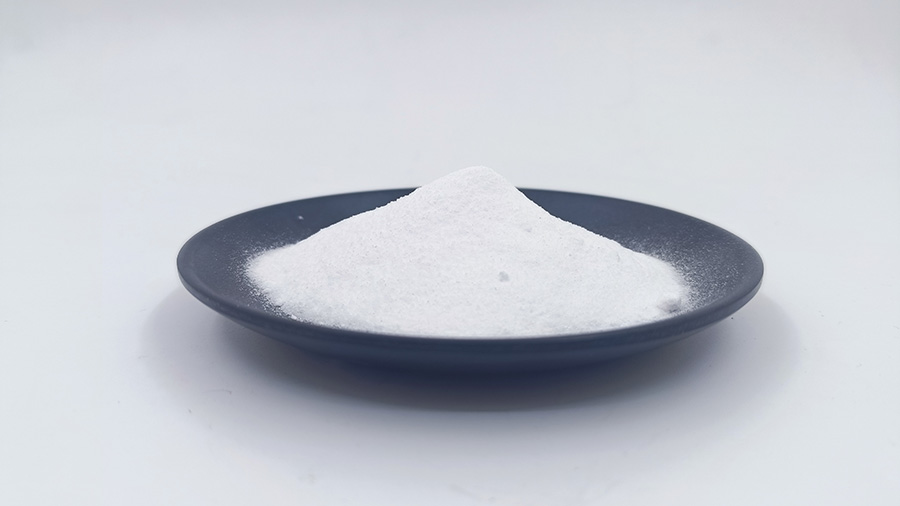
By forming stable, water-soluble complexes, EDTA effectively "neutralizes" mineral interference, which is critical for preventing spoilage, discoloration, and chemical degradation in various formulations.
Key Types of EDTA: Which One Do You Need?
Not all EDTA products are the same. Choosing the right salt form is vital for solubility and pH balance:
Top Applications of EDTA in 2026
1. Personal Care & Cosmetics
In shampoos and soaps, EDTA acts as a water softener. It prevents mineral buildup on skin and hair and boosts the foaming capacity of surfactants. It also acts as a preservative booster by destabilizing bacterial cell walls.
2. Food & Beverage Industry
As a food-grade additive, EDTA (often Calcium Disodium EDTA) prevents oxidation. It preserves the color and flavor of canned vegetables and prevents rancidity in dressings and sauces.
3. Industrial & Water Treatment
EDTA is indispensable for boiler descaling and cooling water systems. It prevents scale formation by sequestering calcium and magnesium ions, thereby extending the lifespan of industrial machinery.
4. Pharmaceutical & Medical
Used in chelation therapy for heavy metal poisoning and as an anticoagulant in blood samples to prevent clotting.
Why Choose Our High-Purity EDTA?
When sourcing chemical raw materials, quality and consistency are non-negotiable. Our EDTA products offer:
-
99% Minimum Purity: Ensured by rigorous HPLC testing.
-
Global Compliance: Meeting USP, FCC, and industrial-grade standards.
-
Stable Supply Chain: Reliable lead times for bulk orders.
Note: As environmental regulations tighten in 2026, we also offer biodegradable chelating alternatives for eco-conscious brands.
Frequently Asked Questions (FAQ)
Q: What is the difference between Disodium EDTA and Tetrasodium EDTA? A: The main difference is the pH level. Disodium EDTA is typically used in products where a neutral to slightly acidic pH is required (like skincare), while Tetrasodium EDTA is preferred for alkaline products like heavy-duty detergents.
Q: Is EDTA safe for skin? A: Yes, in controlled concentrations. Regulatory bodies like the FDA and CIR consider it safe for use in rinse-off and leave-on cosmetic products.
Ready to Optimize Your Formulation?
As a leading supplier of high-performance chelating agents, we provide tailored solutions for your specific industry needs.
[Contact Us Today] for a free sample, technical data sheet (TDS), or a bulk quotation. Let’s build a more stable future for your products.
Yuanlian Chemical specializes in the production of polyaspartic acid (PASP),tetrasodium iminodisuccinate(IDS), GLDA, MGDA etc. with stable quality and excellent quantity!

Contact us