


-

- 2026-02-26
Dealing with Reddish-Brown Dog Tear Stains? The Science of "Chelating Agents" in Pet Eye Care
For many devoted pet parents, those stubborn reddish-brown streaks beneath a dog’s eyes are a persistent frustration. While the market is flooded with tear stain removers, a look at the ingredient list of premium formulas often reveals "Chelating Agents" (such as Disodium EDTA or Sodium Gluconate).
But what exactly is the science behind these components? Are they safe for your canine companion? Let’s explore the biochemistry of tear stain removal.
1. Why Won't Plain Water Remove Tear Stains?
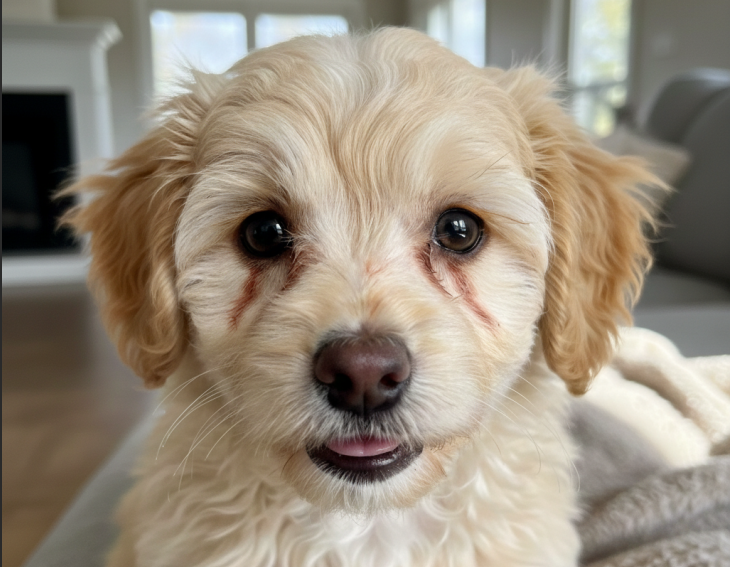
To solve the problem, we must first understand the cause. The distinct reddish-brown tint is primarily caused by Porphyrins.
-
The Oxidation Process: Porphyrins are iron-containing molecules excreted through tears, saliva, and urine. When they sit on the fur and are exposed to oxygen, the iron oxidizes—much like a nail rusting—leaving a deep, rusty stain.
-
Persistent Binding: These stains are not merely "dirt." They are chemically bonded to the hair shaft, which is why simple water or standard grooming wipes often fail to lift the pigment.
2. Chelating Agents: The "Molecular Magnet" for Stains
Chelating agents (derived from the Greek word chele, meaning "claw") act as both transporters and cleaners in high-quality tear stain solutions.
A. Neutralizing Pigment Deposition
A chelating agent’s molecular structure allows it to "grab" and surround metal ions like iron and magnesium. By binding to the oxidized iron within the porphyrin, the agent breaks the bond between the pigment and the fur, making the stain water-soluble and much easier to wipe away.
B. Softening Mineral Crusts
Tear discharge often dries into hard, mineralized crusts. Chelating agents sequester the calcium and magnesium salts in the discharge, softening these "eye boogers" so they can be removed gently without tugging at the pet's delicate skin.
C. Supporting a Hygienic Microbiome
Certain bacteria and yeast (like Pityrosporum) thrive in iron-rich, moist environments. By "locking up" the available iron, chelating agents create a less hospitable environment for these microbes, which can help reduce the unpleasant odor often associated with chronic tearing.
3. Choosing the Right Care: Safety and Efficacy
When selecting a tear stain remover in the European market, transparency and ingredient quality are paramount:
-
Look for Bio-based Chelators: Look for Sodium Gluconate or Sodium Phytate. These are plant-derived, biodegradable, and align with European "Green Beauty" standards for pets.
-
Avoid Harsh Bleaches: Ensure the product is free from hydrogen peroxide or harsh antibiotics (like Tylosin, which is restricted in many regions).
-
The "Soak and Swipe" Method: For best results, saturate a lint-free cotton pad and hold it against the stained area for 30–60 seconds. This allows the chelating reaction to occur before you gently wipe the area.
4. Expert Insight: Addressing the Root Cause
While a high-quality cleanser is essential for maintenance, excessive tearing (Epiphora) often signals an underlying issue:
-
Dietary Sensitivities: High grain content or artificial additives can increase porphyrin production.
-
Anatomy: Blocked nasolacrimal ducts or "inverted eyelashes" (distichiasis) are common in breeds like Poodles, Malteses, and Bulldogs.
-
Environmental Allergies: Dust, pollen, or even ear infections can trigger tear overproduction.
Conclusion
Effective pet care is rooted in science. By understanding how ingredients like chelating agents work, you can choose a grooming routine that is both gentle and effective, keeping your pet’s eyes bright and their fur pristine.
Yuanlian Chemical specializes in the production of polyaspartic acid (PASP),tetrasodium iminodisuccinate(IDS), GLDA, MGDA etc. with stable quality and excellent quantity!

Contact us