


-

- 2026-02-26
Unveiling the "Science" of Eye Care: How Tetrasodium Glutamate Diacetate Eliminates Pet Tear Stains
Have you noticed that premium pet tear stain removers are increasingly moving away from harsh chemicals like EDTA and instead highlighting Tetrasodium Glutamate Diacetate (GLDA-Na)?
While the name sounds complex, this ingredient is becoming the "gold standard" in the pet grooming industry. But why is it so effective, and more importantly, is it safe for your pet? Let’s dive into the biochemistry of modern pet eye care.
1. The Core Secret: What is Tetrasodium Glutamate Diacetate?
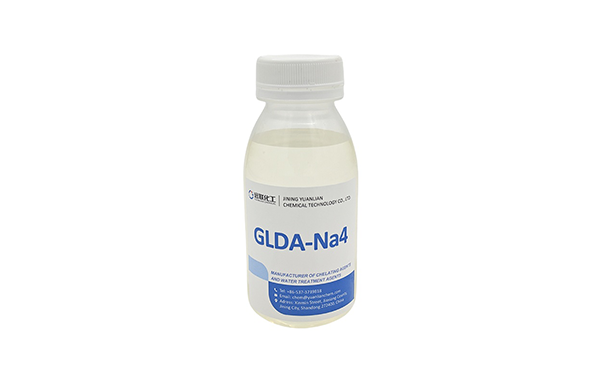
Tetrasodium Glutamate Diacetate (GLDA-Na) is a high-performance, green chelating agent derived from plant-based materials—usually sugar beet waste. Unlike traditional synthetic chelators, GLDA-Na represents the intersection of high-tech chemistry and environmental responsibility.
In the European market, it is favored for:
-
High Biodegradability: It breaks down easily, aligning with eco-conscious "Green Pet Care" trends.
-
Superior Safety Profile: It is non-toxic and significantly less irritating to a pet’s sensitive eye area compared to older alternatives.
2. The "Molecular Claw": How GLDA-Na Captures Metal Ions
The stubborn reddish-brown tint in tear stains is caused by Porphyrins—iron-rich molecules in animal tears that oxidize when exposed to air.
GLDA-Na works through a process called "Chelation": Think of the GLDA-Na molecule as a "molecular claw." It seeks out, captures, and surrounds metal ions like iron, calcium, and magnesium. This reaction provides three transformative benefits:
-
Neutralizing Stains: By binding to the oxidized iron, GLDA-Na breaks the bond between the rust-colored pigment and the fur, allowing the stain to be wiped away easily.
-
Softening Hard Crusts: It sequesters the mineral salts found in tear discharge, softening hard "eye gunk" so it can be removed without pulling the fur or irritating the skin.
-
Hygienic Synergist: Many microbes require iron to grow. By "locking up" available iron, GLDA-Na creates an environment that is less hospitable to the bacteria and yeast that cause unpleasant tear-stain odors.
3. Why European Premium Brands Choose GLDA-Na
Google SEO for pet products thrives on "comparative expertise." Here is why GLDA-Na is replacing traditional EDTA in top-tier formulations:
4. Expert Tips: How to Achieve the Best Results
To maximize the effectiveness of products containing GLDA-Na, follow this science-backed routine:
-
The 60-Second Soak: Saturate a lint-free pad and hold it gently against the stained area for 60 seconds. This gives the chelating agent enough time to "grab" the metal ions.
-
Wipe, Don't Scrub: Always wipe in the direction of hair growth to avoid micro-tears in the skin.
-
Consistency is Key: Chelation is a cumulative process. For deep, long-term stains, consistent daily use is required to see a significant transition back to the fur’s natural color.
Conclusion
Choosing a tear stain remover with Tetrasodium Glutamate Diacetate is a choice for science, safety, and sustainability. By addressing the chemical bond of the stain rather than just bleaching the fur, you provide your pet with a healthier and more effective grooming experience.
Yuanlian Chemical specializes in the production of polyaspartic acid (PASP),tetrasodium iminodisuccinate(IDS), GLDA, MGDA etc. with stable quality and excellent quantity!

Contact us