


-

- 2026-03-03
The Role of Tetrasodium Glutamate Diacetate (GLDA-Na4) in Modern Industrial Cleaning
The industrial cleaning landscape is undergoing a radical shift. As global regulations tighten around traditional chelating agents like EDTA and NTA due to environmental and health concerns, formulators are pivoting toward "green" high-performance alternatives. Among these, Tetrasodium Glutamate Diacetate (GLDA-Na4) has emerged as the gold standard for high-efficiency degreasers.
In this comprehensive guide, we explore why GLDA-Na4 is becoming the backbone of high-performance degreasing formulations, its synergistic effects with surfactants, and its undeniable advantages in hard water stability.
What is Tetrasodium Glutamate Diacetate (GLDA-Na4)?
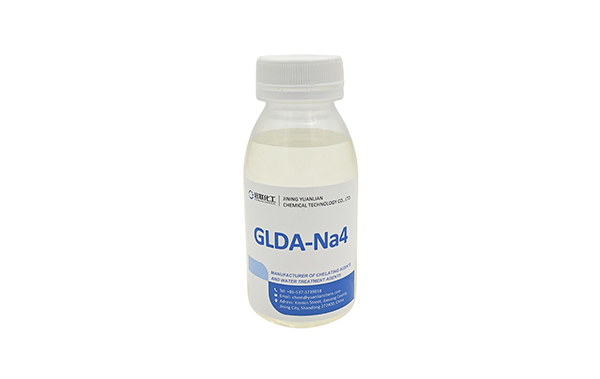
GLDA-Na4 is a biodegradable, bio-based chelating agent derived from L-glutamic acid, a naturally occurring amino acid. Unlike traditional phosphonates or synthetic polycarboxlyates, GLDA offers a unique combination of high solubility across a wide pH range and powerful metal ion sequestration.
Key Technical Specifications
-
Chemical Formula:
-
Biodegradability: >60% (OECD 301D), classified as "Readily Biodegradable."
-
Bio-based Content: Typically over 80% renewable carbon.
The Mechanism: How GLDA-Na4 Powers Degreasing
Degreasing is not just about breaking down oils; it is about managing the environment in which that breakdown occurs. GLDA-Na4 facilitates cleaning through several critical pathways:
1. Hard Water Management (Sequestration)
In industrial settings, water hardness ions like and interfere with surfactants. These ions react with grease and soaps to form "scum" or insoluble precipitates. GLDA-Na4 forms stable, water-soluble complexes with these multivalent cations, preventing them from deactivating the primary cleaning agents.
2. Boosting Surfactant Performance
When GLDA-Na4 binds to metal ions, it lowers the Critical Micelle Concentration (CMC) of the surfactants in the degreaser. This means the surfactants can begin emulsifying oils and fats at lower concentrations, leading to cost savings and higher efficiency.
3. Dissolving Inorganic Scales
Many industrial degreasing tasks involve "composite soils"—a mixture of organic grease and inorganic mineral scales (like calcium carbonate). GLDA-Na4 helps dissolve the inorganic "glue" that holds the grease to the surface, allowing the degreaser to penetrate deeper and lift the soil more effectively.
Comparative Analysis: GLDA vs. EDTA vs. NTA
For decades, EDTA (Ethylenediaminetetraacetic acid) was the industry standard. However, its poor biodegradability and tendency to mobilize heavy metals in the environment have made it a liability.
As seen above, GLDA-Na4 provides a performance profile that matches or exceeds EDTA, particularly in alkaline degreasing environments, without the environmental "red flags."
Applications in Industrial Degreasing
GLDA-Na4 is versatile enough to be used in various specialized degreasing sectors:
I. Metal Surface Pre-treatment
In automotive and aerospace manufacturing, metal parts must be pristine before painting or plating. GLDA-Na4-based degreasers effectively remove processing oils while preventing the redeposition of mineral salts on the metal surface.
II. High-Pressure Vehicle Wash
Commercial truck and car washes require degreasers that work instantly. GLDA-Na4's high solubility ensures that concentrated formulations remain stable in the drum and do not clog spray nozzles even when diluted with hard well water.
III. Food and Beverage Processing
Since GLDA is derived from an amino acid and is non-toxic, it is an ideal component for degreasers used in CIP (Clean-in-Place) systems for dairies, breweries, and meat processing plants. It handles proteinaceous soils and fats without leaving harmful residues.
IV. Oil and Gas Applications
In the oilfield, GLDA-Na4 is used for "acidizing" and removing calcium sulfate scales mixed with heavy hydrocarbons. Its stability at high temperatures makes it superior to many organic acids.
Formulation Synergy: Getting the Most Out of GLDA-Na4
To achieve a "1+1>2" effect, formulators should consider the following synergistic pairings:
-
Non-ionic Surfactants (Alcohol Ethoxylates): GLDA-Na4 enhances the cloud point of non-ionic surfactants, keeping them active at higher temperatures—perfect for hot-tank degreasing.
-
Alkaline Builders (Sodium Hydroxide/Silicates): GLDA-Na4 is highly stable in 50% caustic soda solutions, making it perfect for heavy-duty industrial degreasers where pH levels exceed 12.
-
Solvents (Glycol Ethers): When paired with solvents, GLDA-Na4 helps lift the softened grease into the aqueous phase, preventing oily films from remaining on the cleaned surface.
Environmental and Regulatory Benefits
The transition to GLDA-Na4 is not just a performance choice; it's a strategic business move.
-
Ecolabel Compliance: GLDA is a preferred ingredient for products seeking EU Ecolabel, Safer Choice (EPA), or Green Seal certifications.
-
Reduced Liability: By removing EDTA/NTA, companies reduce their environmental footprint and mitigate the risks associated with evolving chemical regulations (like REACH).
Conclusion: Why Formulators are Choosing GLDA-Na4
The evidence is clear: Tetrasodium Glutamate Diacetate is the future of industrial degreasing. It offers:
-
Exceptional Chelating Power for hard water stability.
-
Synergistic Cleaning that boosts surfactant efficacy.
-
Sustainable Credentials that meet the demands of the modern "green" economy.
For manufacturers looking to optimize their degreasing formulations, GLDA-Na4 is no longer an "alternative"—it is the preferred solution for the next generation of industrial cleaners.
Frequently Asked Questions (FAQ)
1. Is GLDA-Na4 corrosive to metals?
Unlike some strong acids, GLDA-Na4 is relatively mild on most metal substrates, including aluminum, when used at the correct pH and concentration. It is often used in neutral-to-alkaline cleaners to minimize corrosion risk.
2. Can GLDA-Na4 replace Phosphonates?
Yes. In many laundry and industrial cleaning applications, GLDA-Na4 can replace phosphonates to meet phosphorus-free (P-free) requirements while maintaining excellent scale control.
3. What is the typical inclusion rate for GLDA-Na4 in a degreaser?
Depending on water hardness and soil load, inclusion rates typically range from 1% to 10% in concentrated formulas.
Yuanlian Chemical specializes in the production of polyaspartic acid (PASP),tetrasodium iminodisuccinate(IDS), GLDA, MGDA etc. with stable quality and excellent quantity!

Contact us