


-

- 2026-03-03
Optimizing Open Time: The Critical Role of High-Efficiency Retarders in Gypsum-Based Self-Leveling Floors
In the world of modern interior construction, Self-Leveling Underlayments (SLU) have revolutionized floor preparation. However, the window between "pourable liquid" and "unworkable paste" is notoriously narrow, especially with calcium sulfate-based systems. Achieving the perfect balance requires more than just skilled labor; it requires the sophisticated chemical intervention of Gypsum Retarders.
For formulators and site engineers, understanding the interaction between protein-based or organic acid retarders and gypsum crystals is the key to delivering a flawless, mirror-like finish.
The Challenge: Why Does Gypsum Need Retardation?
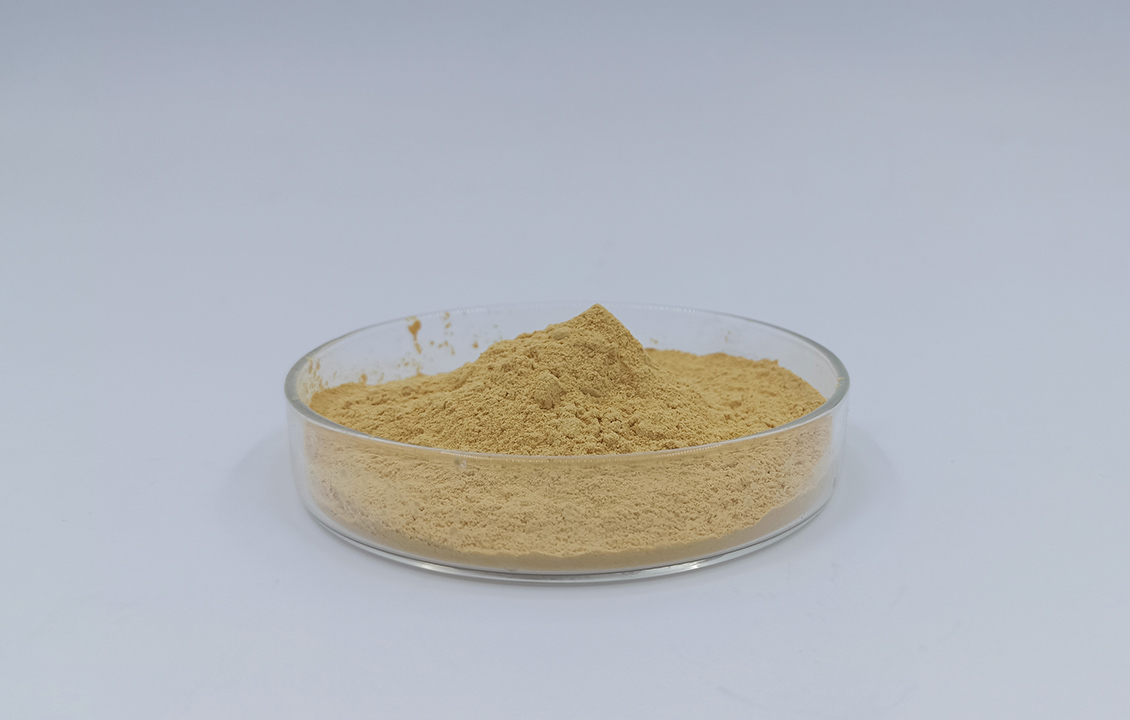
Gypsum () is chemically aggressive. Upon contact with water, the hydration process begins almost instantly, forming a needle-like crystalline structure of .
In self-leveling applications, this rapid setting is a double-edged sword. While fast turnaround is desired, premature setting leads to:
-
Poor Flowability: The material stops "healing" itself, leaving trowel marks and ridges.
-
Loss of De-airing: Bubbles become trapped as the viscosity rises too quickly.
-
Weak Bonding: The interface between batches fails to merge, creating structural weak points.
Mechanisms of Action: How Retarders Control Hydration
Modern gypsum retarders don't just "slow down" the clock; they manage the chemistry of crystallization. There are two primary categories used in high-end SLU formulations:
1. Protein-Based Retarders (The Gold Standard)
Derived from hydrolyzed keratins, these high-performance additives work by adsorbing onto the nuclei of gypsum crystals. By "poisoning" the growth sites, they prevent the rapid interlocking of crystals.
-
Advantage: Minimal impact on final strength and excellent stability at high dosages.
2. Organic Phosphonates and Fruit Acids
Citric or tartaric acids are often used in DIY-grade products. They work by chelating calcium ions, delaying the saturation point of the solution.
-
Risk: Over-dosage can lead to significant "strength loss" or surface dusting.
Key Benefits of Integrating Retarders in Self-Leveling Systems
Extended "Open Time" for Large-Scale Pours
In commercial projects involving thousands of square feet, the "wet edge" must remain active. High-efficiency retarders can extend the working time from a frantic 15 minutes to a manageable 45–60 minutes without delaying the next-day foot traffic readiness.
Enhanced Surface Aesthetics
Self-leveling is all about gravity. By maintaining a low viscosity for longer, the retarder allows the slurry to reach its natural equilibrium. This results in a flatter surface (High F-Numbers) and reduces the need for mechanical grinding.
Improved Compatibility with PCE Superplasticizers
Modern SLUs often utilize Polycarboxylate Ether (PCE) reducers. A high-quality retarder acts synergistically with PCEs, ensuring that the water-reduction benefits aren't negated by a flash set.
Comparative Technical Data: Performance Impact
Formulation Tips for Engineers
When incorporating a gypsum retarder into your SLU mix, consider these three variables:
-
Gypsum Purity: Natural gypsum and synthetic (FGD) gypsum respond differently. FGD gypsum often requires a higher dosage due to its smaller particle size and higher reactivity.
-
Temperature Sensitivity: Hydration is exothermic. For every 10°C rise in ambient temperature, the dosage of the retarder may need to be increased by 15–20% to maintain the same open time.
-
The "Over-Retardation" Trap: Excessive retardation can lead to sedimentation (segregation), where the sand sinks to the bottom and the binder rises to the top, causing surface cracking.
Sustainability and the Future of Gypsum Flooring
As the construction industry moves toward Carbon Neutrality, gypsum-based self-leveling is gaining traction over cement-based alternatives due to its lower embodied carbon. The development of high-efficiency, biodegradable retarders is essential in making these "green" floors as easy to install as traditional concrete.
Conclusion
The success of a self-leveling floor is measured in millimeters and minutes. By selecting a high-performance gypsum retarder, formulators can ensure their products deliver the consistency, strength, and ease of use that modern contractors demand. Whether it’s a high-rise residential project or a precision industrial floor, the right chemistry makes the difference between a failed pour and a perfect level.
Yuanlian Chemical specializes in the production of polyaspartic acid (PASP),tetrasodium iminodisuccinate(IDS), GLDA, MGDA etc. with stable quality and excellent quantity!

Contact us