


-

- 2026-03-13
EDDS-3Na vs. EDTA: Navigating the Shift Toward High-Performance Biodegradable Chelation
As global environmental standards like EU REACH and the U.S. EPA Safer Choice program tighten their grip on persistent chemicals, the "chelator transition" has become a top priority for formulators. While Tetrasodium EDTA is famous for its nearly universal binding strength, its lack of biodegradability is a growing liability.
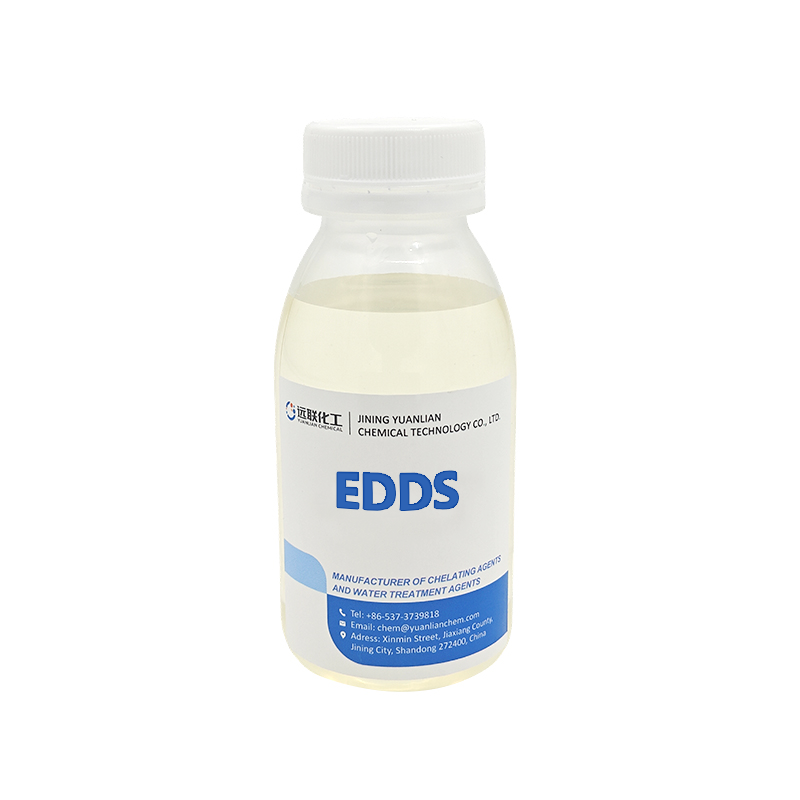
EDDS-3Na (Trisodium Ethylenediamine Disuccinate) represents the next generation of chelation technology—offering a structural twin to EDTA with a significantly cleaner environmental footprint.
1. Molecular Structure and "Stereo-Selectivity"
The fundamental difference between these two agents lies in their molecular architecture.
-
EDTA-4Na: A synthetic hexadentate ligand with four carboxyl groups. Its structure is incredibly rigid, making it highly effective but nearly impossible for microorganisms to break down in nature.
-
EDDS-3Na: A structural isomer of EDTA. It is a nitrogen-based biodegradable chelator. Crucially, the [S,S]-isomer of EDDS is the only one used in high-end green chemistry because it is recognized and metabolized by bacteria as a nutrient source.
2. Technical Performance: A Side-by-Side Comparison
3. The Core Advantage of EDDS-3Na
While EDTA is a "generalist," EDDS-3Na is a "specialist" with specific advantages:
Superior Transition Metal Sequestration
EDDS exhibits an exceptional affinity for transition metals such as Copper () and Zinc (). In laundry detergents and personal care products, this makes it more efficient than EDTA at preventing metal-catalyzed oxidation of fragrances and oils.
Synergistic Boosting
EDDS is known to work synergistically with other green builders like MGDA or GLDA. When formulated correctly, an EDDS-based system can match the heavy-duty cleaning power of EDTA while remaining 100% compliant with "Eco-label" standards.
4. Industry Applications: Where to Switch?
Personal Care & "Clean Beauty"
For brands moving toward "EDTA-Free" claims, EDDS is the ideal stabilizer. It protects antioxidants and maintains product clarity without the regulatory "baggage" of persistent synthetics.
Industrial & Institutional (I&I) Cleaning
In the textile industry, EDDS is used as a stabilizer in hydrogen peroxide bleaching. It effectively complexes iron and copper ions that would otherwise cause fiber damage, providing a safer, greener alternative to EDTA-based stabilizers.
Agriculture & Micronutrients
EDDS-chelated minerals are increasingly used in precision agriculture. Because EDDS degrades after delivering nutrients to the plant, it prevents the accumulation of synthetic ligands in the soil.
Conclusion: Future-Proofing with EDDS-3Na
The evolution from EDTA to EDDS-3Na is a strategic investment in product longevity. As the market demands more transparency and less environmental impact, choosing Trisodium Ethylenediamine Disuccinate ensures your formulations remain effective and legally compliant in every global market.
At Shandong Yuanlian Chemical, we specialize in high-purity EDDS-3Na and other green chelators like GLDA and MGDA. We help you maintain the "EDTA-level" performance your customers expect while delivering the sustainability the planet requires.
Request a Technical Performance Audit
Is your formulation ready for the transition? Contact our R&D team for a direct comparison study and TDS.
-
Email: [email protected]
-
Website:
www.yuanlianchem.com
Yuanlian Chemical specializes in the production of polyaspartic acid (PASP),tetrasodium iminodisuccinate(IDS), GLDA, MGDA etc. with stable quality and excellent quantity!

Contact us