



-

- 2026-03-18
Polypeptide Urea Composition Analysis: The Molecular "Nutrient Pump" of Modern Agriculture
As global agriculture shifts toward "Precision Nutrition," standard urea is being upgraded to Polypeptide Urea. This isn't just a physical blend; it is a chemically synergistic fertilizer. By analyzing its composition, we can understand why it consistently outperforms traditional nitrogen sources in both yield and environmental safety.
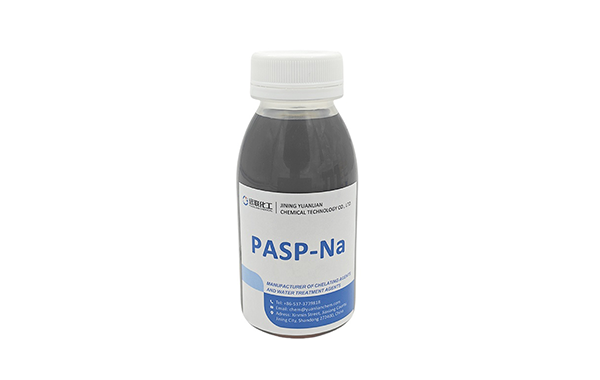
At the heart of this innovation is the integration of Polypeptides (specifically Polyaspartic Acid or PASP) into the urea crystal matrix.
1. Key Component Analysis: What’s Inside?
Polypeptide urea typically consists of high-purity urea acting as the nitrogen carrier, infused with a concentrated bioactive polypeptide synergist.
A. The Nitrogen Core (Urea)
-
Function: Provides the primary macronutrient ().
-
Challenge: Standard urea is highly susceptible to urease hydrolysis, leading to massive ammonia volatilization.
B. The Bioactive Synergist (PASP)
-
Chemical Nature: A synthetic, biodegradable polymer of aspartic acid, featuring a long chain of peptide bonds ().
-
Active Groups: Rich in hydrophilic carboxyl () and amino () groups.
2. How the Polypeptide Chain Works: The Mechanism
The "Polypeptide" component acts as a molecular chaperone for nutrients. Its performance is driven by two chemical processes:
Complexation and Chelation
The carboxyl groups on the polypeptide chain have a strong affinity for divalent metal ions in the soil ().
-
It "captures" these trace elements, preventing them from being fixed by the soil.
-
It delivers these minerals directly to the root hairs in a water-soluble, bioavailable form.
Urease Inhibition & Slow Release
The polypeptide layer surrounding the urea molecules creates a protective "buffer zone." It slows down the activity of soil urease, extending the nitrogen release window from the typical 5-7 days to over 10-14 days. This matches the natural uptake rhythm of the crop.
3. Performance Data: Why Composition Dictates Results
According to multi-region field trials conducted in 2025-2026, the specific chemical composition of polypeptide urea delivers measurable advantages:
4. Why 2026 is the Year of Polypeptide Urea
As carbon footprint tracking becomes mandatory for agricultural exports, the composition of polypeptide urea offers a "Green Passport."
-
100% Biodegradable: The polypeptide chain is consumed by soil microbes after its mission, leaving no microplastics or synthetic residues.
-
Lower Carbon Footprint: By increasing nitrogen utilization efficiency (NUE) by over 35%, farmers can use less fertilizer to achieve the same or higher yields, directly reducing emissions.
Conclusion: Engineering a Sustainable Harvest
The composition of polypeptide urea proves that the future of farming lies in molecular efficiency. By adding a small but powerful fraction of polyaspartic acid, we transform a simple commodity into a high-tech nutrient delivery system.
At Shandong Yuanlian Chemical, we are the primary innovators in the production of high-purity PASP synergists for the fertilizer industry. We provide the "biochemical engine" that powers the world's leading polypeptide urea brands.
Request a Detailed Lab Analysis Report
Want to see the specific chelation constants and trial data? Contact our technical team for the full Polypeptide Urea Dossier.
-
Email: [email protected]
-
Website:
www.yuanlianchem.com
Yuanlian Chemical specializes in the production of polyaspartic acid (PASP),tetrasodium iminodisuccinate(IDS), GLDA, MGDA etc. with stable quality and excellent quantity!

Contact us