



-

- 2026-03-19
The Molecular Motor of Root Growth: How PASP Transforms Crop Vitality
In modern agriculture, the secret to a high-yield harvest lies beneath the surface. A robust root system, particularly the density of capillary roots, is the primary determinant of a plant's ability to withstand stress and absorb nutrients.
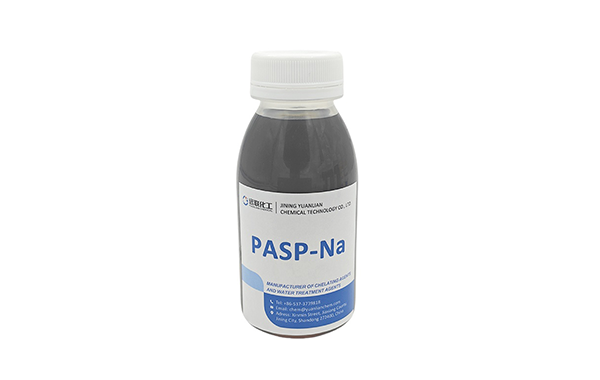
Polyaspartic Acid (PASP), a biomimetic polypeptide, has emerged as one of the most effective biostimulants for root engineering. Unlike hormonal regulators, PASP works through a combination of biochemical chelation and physiological stimulation.
1. Enhancing the "Rhizosphere Micro-Environment"
The area immediately surrounding the root, known as the rhizosphere, is where the most critical nutrient exchanges occur. PASP optimizes this environment in two ways:
Metal Ion Mobilization
PASP’s molecular chain is rich in active carboxyl groups. These act as "molecular claws," chelating insoluble minerals like Zinc (), Iron (), and Calcium () in the soil, converting them into a bioavailable form that roots can easily sense and reach.
Water Retention at the Root Zone
As a super-absorbent polymer precursor, PASP helps maintain a stable moisture film around the root hairs. This prevents "root shock" during minor drought periods, ensuring continuous growth.
2. Stimulating Capillary Root Proliferation
Capillary roots (fine roots) are responsible for over 90% of a plant’s nutrient absorption. PASP acts as a physiological signal that triggers the branching of these vital structures.
-
Dry Matter Accumulation: Research shows that PASP treatment can increase root dry weight by 11.9% to 19.1%.
-
Increased Surface Area: By stimulating the division of pericycle cells, PASP significantly increases the total surface area of the root system, allowing the plant to "mine" a larger volume of soil for nutrients.
3. The Synergistic "Pump" Effect
The true power of PASP-enhanced roots is the Synergistic Absorption Effect. Because PASP delivers nutrients in a chelated, water-soluble complex, the energy required by the plant for active transport is reduced.
-
Nitrogen Efficiency: PASP slows nitrogen loss, providing a steady supply that matches the root's growth rhythm.
-
Phosphorus Activation: It prevents phosphorus from being fixed by aluminum or iron in the soil, keeping it "ready to use" for root energy () production.
-
Vibrant Growth: With a more developed root system, plants exhibit thicker stems and lush, green leaves, leading to an average yield increase of 8% to 30%.
4. Why 2026 is the Era of Polypeptide Nutrition
As the global agricultural market moves away from synthetic hormones toward biomimetic solutions, PASP stands out for its safety and efficiency.
-
100% Biodegradable: It leaves no residue in the soil or the crop.
-
Non-Hormonal: It promotes natural growth without the risk of "over-stimulation" or fruit deformation associated with some synthetic plant growth regulators (PGRs).
Conclusion: Engineering Better Foundations
A high-yield crop starts with a superior root system. By integrating Shandong Yuanlian Chemical’s high-purity PASP into your fertilizer formulations, you are providing farmers with the molecular tools they need to build a stronger, more resilient foundation for their harvest.
Request the PASP Root Trial Dossier
Ready to see the data? Contact our technical team for microscopic root analysis and field trial results across various soil types.
-
Email: [email protected]
-
Official Website:
www.yuanlianchem.com
Yuanlian Chemical specializes in the production of polyaspartic acid (PASP),tetrasodium iminodisuccinate(IDS), GLDA, MGDA etc. with stable quality and excellent quantity!

Contact us