


-

- 2026-03-19
Chelated Iron: Solving the "Yellow Leaf" Crisis and Enhancing Industrial Precision
Iron () is an essential catalyst for life. In agriculture, it is the backbone of chlorophyll synthesis; in industry, it is a critical component of redox systems. However, iron is notoriously "stubborn"—in alkaline soils or high-pH industrial fluids, it quickly precipitates into insoluble rust, becoming useless.
Chelated Iron solves this by "shielding" the iron ion within an organic molecule, keeping it soluble and bioavailable even under extreme conditions.
1. Agriculture: Curing Iron Deficiency (Chlorosis)
The most visible sign of iron deficiency is Interveinal Chlorosis—where young leaves turn yellow while the veins remain green. This is a massive problem in calcareous (alkaline) soils.
Why Standard Iron Salts Fail
Applying Ferrous Sulfate directly to alkaline soil is often a waste of resources. The iron reacts with ions to form (precipitation), which roots cannot absorb.
The Chelated Advantage
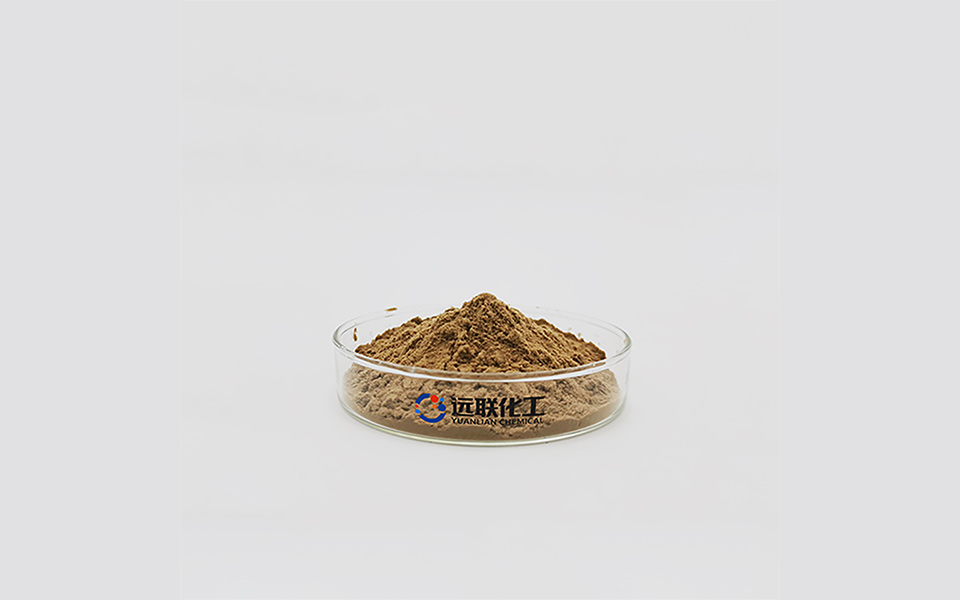
Chelated iron agents like EDDHA-Fe and EDTA-Fe act as a "shuttle," carrying the iron through the soil and delivering it directly to the root plasma membrane.
-
EDTA-Fe: Best for foliar sprays and slightly acidic soils (pH < 6.5).
-
EDDHA-Fe: The gold standard for highly alkaline soils (up to pH 9.0).
-
PASP-Fe: The new "Green Choice"—a biodegradable polypeptide chelate that promotes root growth while delivering iron.
2. Industrial Applications: Stability and Control
Beyond the farm, chelated iron is a vital tool in specialized industrial processes:
-
Textile Dyeing & Bleaching: Iron impurities in water can cause spotting or degrade peroxide bleaches. Chelating agents sequester these ions to ensure uniform fabric color.
-
Hydrogen Sulfide () Removal: In oil and gas "sweetening" processes, chelated iron acts as a catalyst in redox sulfur recovery units, converting toxic into elemental sulfur.
-
Photography & Printing: Used in bleach-fix (blix) solutions to process color film, where the iron must remain in a stable, soluble complex.
3. The Shift to Biodegradable "Green" Chelates
In 2026, environmental regulations (like EU REACH) are pushing the industry away from persistent agents like EDTA. The focus has shifted to biodegradable alternatives:
-
EDDS (Ethylenediamine Disuccinate): A structural isomer of EDTA that is readily biodegradable.
-
GLDA (Glutamate Diacetate): Excellent for high-solubility liquid fertilizers and "clean label" industrial cleaners.
-
IDS (Iminodisuccinate): Exceptional stability in alkaline cleaning solutions.
4. Why Choose Yuanlian Chemical's Iron Solutions?
At Shandong Yuanlian Chemical, we specialize in the synthesis of high-purity iron chelates designed for maximum stability.
-
High Chelation Rate: Ensuring minimal free iron and maximum efficiency.
-
Custom Formulations: We provide both liquid and micro-granule forms for soil application, fertigation, and foliar spray.
-
Sustainability Driven: Leading the market in PASP and GLDA-based green iron chelates.
Conclusion: Turning Yellow to Green
Whether you are a fertilizer manufacturer looking to solve crop yellowing or an industrial engineer requiring precise metal control, chelated iron is the key to stability. By choosing the right chelating agent, you reduce waste, lower costs, and protect the environment.
Request a Micronutrient Stability Report
Need to know which chelate is best for your soil's pH? Contact our technical team for a stability constant analysis and free samples.
-
Email: [email protected]
-
Website:
www.yuanlianchem.com
Yuanlian Chemical specializes in the production of polyaspartic acid (PASP),tetrasodium iminodisuccinate(IDS), GLDA, MGDA etc. with stable quality and excellent quantity!

Contact us