


-

- 2026-03-23
Enhancing Nutrient Mobility: The Role of GLDA and MGDA in Modern Crop Nutrition
The transition toward sustainable agriculture in Europe has placed a spotlight on the efficiency of micronutrient delivery. Traditional chelating agents are increasingly scrutinized for their environmental persistence. In their place, biodegradable alternatives like Tetrasodium Glutamate Diacetate (GLDA) and Trisodium Methylglycine Diacetate (MGDA) are proving to be more than just eco-friendly substitutes—they are potent catalysts for plant growth.
Beyond Conventional Chelation: Why Biodegradability Matters
In the context of European soil health regulations, the accumulation of non-biodegradable synthetic aminopolycarboxylates (such as EDTA) is a growing concern. GLDA and MGDA offer a sophisticated solution. Derived from natural amino acids, these agents ensure that essential metal ions—Zinc (Zn), Iron (Fe), Manganese (Mn), and Copper (Cu)—remain bioavailable in the soil solution without leaving a lasting chemical footprint.
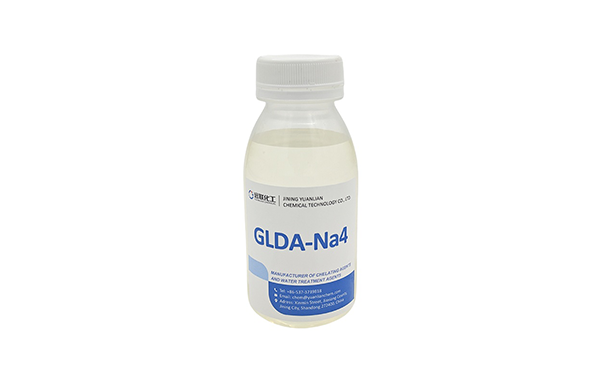
GLDA-Na₄: Optimizing Micronutrient Uptake
GLDA is highly effective at stabilizing micronutrients across a wide pH range, which is critical for diverse European soil profiles.
-
Superior Solubility: As a 47% aqueous solution, GLDA integrates seamlessly into liquid fertilizer formulations, preventing the precipitation of minerals.
-
Root Zone Efficiency: By forming stable, water-soluble complexes, GLDA prevents "nutrient lockout" in alkaline soils, ensuring that the plant’s vascular system can easily transport minerals from the rhizosphere to the foliage.
-
Plant Vitality: Enhanced uptake of Zinc and Magnesium directly correlates with improved chlorophyll synthesis and enzymatic activity, leading to visible improvements in biomass and crop yield.
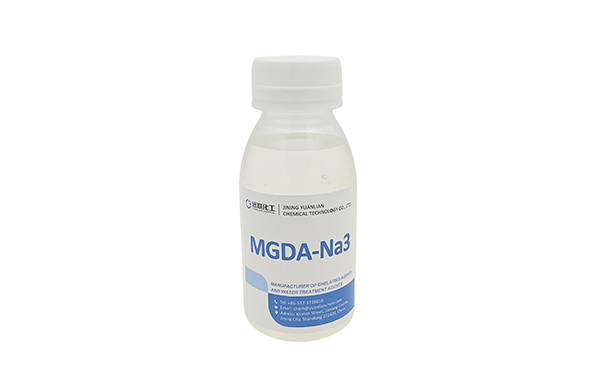
MGDA-Na₃: High-Performance Nutrient Shuttling
While GLDA provides excellent stability, MGDA is recognized for its exceptional chelating power even at high temperatures and varying salt concentrations.
-
Rapid Biodegradation: MGDA breaks down quickly into harmless components, making it ideal for high-frequency fertigation systems and hydroponics.
-
Synergistic Effects: When applied to crops, MGDA acts as a high-efficiency "shuttle," moving metal ions across cell membranes more effectively than traditional stabilizers. This results in faster recovery from nutrient deficiencies, particularly in high-value horticultural crops.
Strategic Advantages for European Agrochemical Formulators
For manufacturers looking to optimize their product lines for the 2026 growing season, switching to GLDA and MGDA-based chelates offers several strategic benefits:
-
Regulatory Compliance: Fully compliant with green labeling requirements and the EU Fertilising Products Regulation.
-
Product Stability: Excellent compatibility with other fertilizer components, reducing the risk of sedimentation in storage.
-
Enhanced ROI for Growers: Faster nutrient absorption means less fertilizer waste and higher quality harvests.
Conclusion: The Future of Chelated Nutrition
The shift to GLDA and MGDA represents a sophisticated leap in crop science. By choosing biodegradable chelating agents, the industry is not just protecting the soil—it is actively enhancing the physiological processes that drive plant growth.
Yuanlian Chemical specializes in the production of polyaspartic acid (PASP),tetrasodium iminodisuccinate(IDS), GLDA, MGDA etc. with stable quality and excellent quantity!

Contact us