


-

- 2026-03-23
Sustainable Scale Inhibition: A Guide to Phosphorus-Free Water Treatment Chemicals
As environmental regulations across Europe—such as the Water Framework Directive—tighten, the industrial water treatment sector is undergoing a significant transition. The shift from traditional phosphonates to phosphorus-free (P-free) water treatment chemicals is no longer just a compliance requirement; it is a benchmark for operational excellence in cooling towers, boilers, and reverse osmosis (RO) systems.
Understanding the classification of these green alternatives is essential for formulators aiming to maintain high anti-scaling efficiency without contributing to aquatic eutrophication.
1. Biodegradable Amino Acid Derivatives
At the forefront of the phosphorus-free revolution are amino acid-based chelating and dispersing agents. These molecules offer exceptional calcium carbonate inhibition and are derived from renewable feedstocks.
-
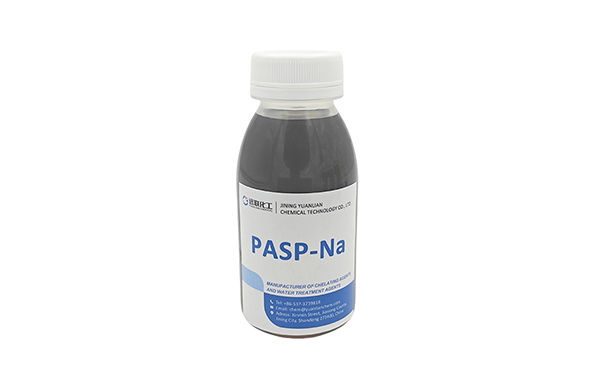
Polyaspartic Acid (PASP): Often referred to as a "green" polymer, PASP is a biopolymer with a peptide-like backbone. It is highly effective at dispersing calcium carbonate, calcium sulfate, and barium sulfate. Because it is non-toxic and fully biodegradable, it is the preferred choice for environmentally sensitive discharge zones.
2. Synthetic Organic Carboxylic Acid Polymers
While bio-based options are growing, synthetic P-free polymers remain the workhorses of heavy industrial cooling systems due to their thermal stability and chlorine resistance.
-
Polyacrylic Acid (PAA) & Polymaleic Acid (HPMA): These low-molecular-weight polymers function through crystal distortion and threshold inhibition. They prevent scale-forming salts from precipitating onto heat exchange surfaces, even under high-hardness conditions.
-
Modified Copolymers: Modern formulations often utilize maleic/acrylic copolymers. These are designed to handle complex water chemistries where both silt dispersion and scale inhibition are required simultaneously.
3. Green Chelating Agents for Scale Control
For systems requiring strong sequestration of hardness ions, small-molecule biodegradable chelants have replaced EDTA and NTA.
-
GLDA (Tetrasodium Glutamate Diacetate): While widely known in cleaning, GLDA is increasingly used in water treatment for its high solubility and stability. It remains effective at extreme pH levels and helps prevent the formation of insoluble mineral soaps.
-
MGDA (Trisodium Methylglycine Diacetate): Known for its rapid biodegradation and powerful complexing capacity, MGDA is ideal for systems with high turnover rates where chemical persistence must be minimized.
The Strategic Advantage of P-Free Programs
Adopting a phosphorus-free strategy offers clear advantages for European industrial facilities:
-
Elimination of Eutrophication Risks: Removing phosphorus prevents the growth of algae in receiving water bodies.
-
Simplified Discharge Permitting: P-free effluents are much easier to manage under local environmental discharge limits.
-
Future-Proofing Operations: As ECHA continues to evaluate chemical substances, bio-based polymers like PASP represent a low-risk, long-term investment in sustainability.
Conclusion
The classification of phosphorus-free water treatment chemicals reflects a balance between high-tech polymer science and ecological responsibility. By integrating PASP, IDS, and advanced carboxylic polymers, industries can achieve superior scale inhibition while meeting the highest standards of environmental stewardship.
Yuanlian Chemical specializes in the production of polyaspartic acid (PASP),tetrasodium iminodisuccinate(IDS), GLDA, MGDA etc. with stable quality and excellent quantity!

Contact us