


-

- 2026-04-02
The Rise of Green Chelation: Why Biodegradable Agents are Replacing EDTA in Modern Agriculture
In the precision agriculture landscape of 2026, the efficiency of a fertilizer is no longer measured solely by its NPK ratio. The true metric of success is Nutrient Use Efficiency (NUE)—the ability of a plant to actually absorb and utilize microelements. For decades, EDTA (Ethylenediaminetetraacetic acid) was the primary vehicle for delivering these nutrients. However, a systemic shift is underway.
As regulatory pressure on persistent micro-pollutants intensifies and soil health becomes a top-tier ESG priority, "Green Chelation" is replacing legacy chemistry. Biodegradable agents like GLDA, EDDS, and PASP are now the definitive choice for modern, sustainable farming.
1. The "Persistence Problem" of EDTA in Soil
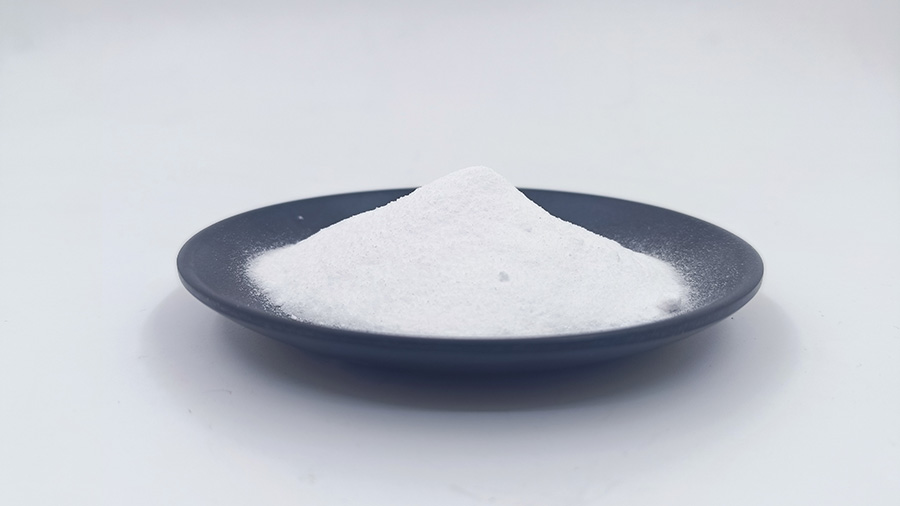
The decline of EDTA in agriculture is driven by its environmental longevity.
-
Heavy Metal Remobilization: EDTA is virtually non-biodegradable in soil. Its persistence allows it to bind with heavy metals naturally present in the earth (like Lead or Cadmium), making them mobile and increasing the risk of crop contamination and groundwater leaching.
-
Ecological Accumulation: Repeated EDTA applications lead to a build-up of synthetic chelants that disrupt the delicate microbial balance of the rhizosphere.
2. The Performance Advantages of Green Chelants
Modern biodegradable chelating agents are not just "eco-friendly" alternatives; they are technical upgrades.
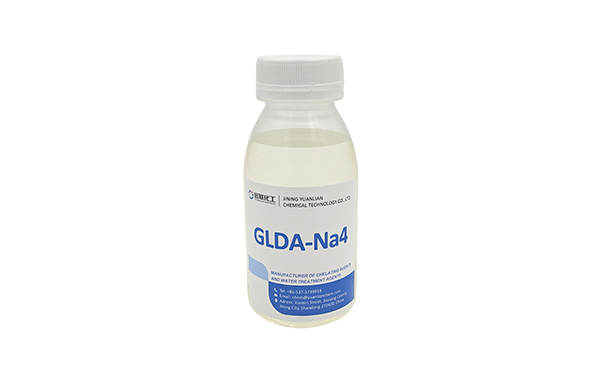
GLDA (Tetrasodium Glutamate Diacetate)
Derived from L-glutamic acid, GLDA is the high-solubility powerhouse of 2026 fertigation.
-
Superior Trace Element Stability: GLDA maintains strong complexing power with Zinc (Zn), Iron (Fe), and Copper (Cu) across a wide pH range, ensuring nutrients remain bioavailable even in alkaline or calcareous soils.
-
Fast Biodegradation: It breaks down into harmless organic matter within weeks (OECD 301B), leaving zero chemical legacy in the field.
EDDS (Ethylenediamine Disuccinate)
EDDS is highly prized for its specific affinity for copper and iron.
-
Photo-Stability: In foliar sprays, EDDS exhibits excellent stability under UV light, preventing the premature breakdown of nutrient complexes on the leaf surface.
-
Safe for Aquatic Life: Its rapid degradation profile makes it the safest choice for farms located near sensitive water bodies or protected ecosystems.
PASP (Polyaspartic Acid)
PASP functions as a high-efficiency fertilizer synergist rather than a traditional chelant.
-
Water Retention & Absorption: PASP forms a protective "nutrient film" around roots, significantly reducing nitrogen leaching and improving water retention during drought stress.
-
Potassium Advantage: Versions like PASP-K provide essential potassium without increasing the sodium salinity of the soil.
3. Regulatory Compliance: Meeting the 2026 Standards
For agricultural exporters to Europe and North America, compliance is a market-access requirement.
-
EU Fertilising Products Regulation: The transition away from persistent chelants is a core component of the EU’s mandate to reduce nutrient losses by 50% by 2030.
-
Organic & Regenerative Certification: Biodegradable chelants are increasingly recognized by organic certification bodies as compatible with regenerative farming practices, allowing growers to command premium prices for their produce.
4. The Economic Logic: Higher Yields, Lower Input
While the "per kilogram" cost of green chelants may differ from EDTA, the Return on Investment (ROI) is superior. By increasing nutrient uptake and reducing the total volume of fertilizer required, farmers achieve:
-
Lower Input Costs: Less wasted fertilizer running off into the environment.
-
Higher Crop Quality: More consistent micronutrient levels leading to better fruit set and shelf life.
-
Future-Proofing: Avoiding the risk of being stranded by sudden regulatory bans on persistent chemicals.
Conclusion: The Future is Biodegradable
The rise of Green Chelation marks the end of the "disposable chemistry" era in agriculture. By choosing biodegradable agents like GLDA and PASP, the global farming community is choosing a path that balances high-yield productivity with the long-term stewardship of the land. In 2026, the most productive farms will also be the most sustainable.
Yuanlian Chemical specializes in the production of polyaspartic acid (PASP),tetrasodium iminodisuccinate(IDS), GLDA, MGDA etc. with stable quality and excellent quantity!

Contact us