



-

- 2026-04-02
Synergistic Effects: How Polyaspartic Acid (PASP) Enhances Nitrogen and Phosphorus Efficiency
In the global agricultural landscape of 2026, the challenge is no longer just increasing fertilizer application—it is maximizing the recovery of every kilogram of nutrient applied. Traditional nitrogen and phosphorus fertilizers are notoriously inefficient, with up to 50–70% of nitrogen lost to leaching or volatilization and 80% of phosphorus becoming "fixed" in the soil.
Polyaspartic Acid (PASP), a biodegradable biopolymer, has emerged as the definitive solution to this efficiency gap. By acting as a high-performance synergist, PASP fundamentally alters the interaction between fertilizers, soil chemistry, and root systems.
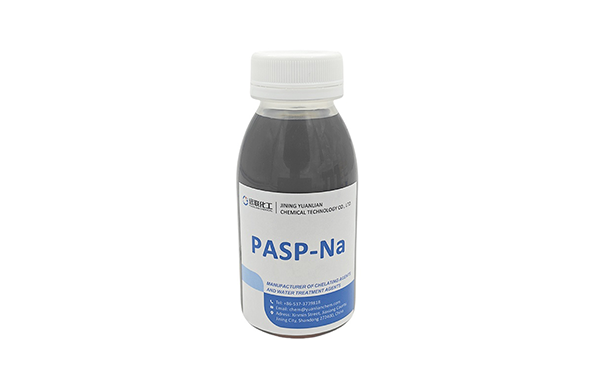
1. The Nitrogen Nexus: Slowing Losses, Speeding Uptake
Nitrogen is the most mobile and volatile nutrient in the field. PASP enhances nitrogen efficiency through a multi-dimensional synergistic mechanism:
-
Urease Inhibition Support: While not a direct inhibitor, PASP slows the hydrolysis of urea by creating a protective molecular environment. This extends the window for nitrogen absorption and significantly reduces ammonia volatilization.
-
Reduced Nitrate Leaching: PASP increases the cation exchange capacity (CEC) in the rhizosphere. By "holding" ammonium ions () more effectively, it prevents them from converting rapidly into mobile nitrates () that would otherwise leach into groundwater.
-
Root Proliferation: PASP stimulates the development of root hairs and lateral roots. A more expansive root architecture allows the plant to intercept nitrogen more aggressively across a larger soil volume.
2. Unlocking Phosphorus: Breaking the "Soil Fixation" Cycle
Phosphorus () is often abundant in soil but chemically unavailable due to its tendency to bind with Calcium () in alkaline soils or Iron () and Aluminum () in acidic soils.
-
Chelation of Interfering Ions: PASP’s carboxyl-rich structure has a high affinity for calcium and magnesium. By sequestering these ions, PASP prevents them from reacting with phosphate ions to form insoluble precipitates.
-
Solubilization of Fixed P: For phosphorus that is already "locked" in the soil, PASP can help facilitate a slow release back into the soil solution, making legacy phosphorus reserves accessible to the crop for the first time.
3. The Result: Measurable ROI and Crop Resilience
The synergy between PASP and N-P fertilizers translates into tangible economic and agronomic benefits:
4. Compliance and "Green" Market Positioning
For fertilizer brands in 2026, incorporating PASP is a strategic move for regulatory and market alignment:
-
EU "Farm to Fork" Strategy: Directly contributes to the mandate of reducing nutrient losses by 50% by 2030.
-
Carbon Footprint Reduction: By increasing efficiency, farmers can achieve higher yields with lower overall fertilizer inputs, reducing the carbon-heavy footprint of nitrogen production.
Conclusion: Engineering the Future of Plant Nutrition
The synergy between Polyaspartic Acid and primary macronutrients represents the pinnacle of modern nutrient management. By choosing PASP-enhanced formulations, the agricultural industry is moving away from "brute force" fertilization toward a precision-driven, bio-available system. In 2026, the most successful growers are those who recognize that efficiency is the ultimate fertilizer.
Yuanlian Chemical specializes in the production of polyaspartic acid (PASP),tetrasodium iminodisuccinate(IDS), GLDA, MGDA etc. with stable quality and excellent quantity!

Contact us