



-

- 2026-04-07
Global Sourcing Guide: Key Indicators of Quality for Gypsum Retarders in Construction
In the modern construction landscape, the transition toward high-strength, fast-setting gypsum materials requires precise control over hydration kinetics. Whether formulating self-leveling floors, gypsum plasters, or prefabricated panels, the Gypsum Retarder is the critical additive that determines workability and final structural integrity.
As the market in 2026 shifts toward sustainable and high-purity chemical additives, procurement teams must look beyond the price per ton. This guide outlines the four key indicators of quality for global sourcing.
1. Retarding Efficiency and "Strength Loss" Ratio
The primary function of a retarder is to extend the setting time, but a low-quality agent often compromises the final mechanical strength of the gypsum.
-
The Indicator: A premium retarder should provide a significant extension of the setting time (from 30 to 300+ minutes) while maintaining a Strength Loss Ratio of <10%.
2. Consistency of Setting Time (Batch-to-Batch Stability)
In large-scale construction, inconsistency is the enemy of productivity. If one batch sets in 60 minutes and the next in 45, it leads to costly application errors.
-
The Indicator: Request TGA (Thermogravimetric Analysis) or batch-specific hydration heat curves. Quality manufacturers provide stabilizers that ensure the induction period is identical across various environmental temperatures.
-
Sourcing Strategy: Look for manufacturers with integrated production lines, such as Yuanlian Chemical, where the synthesis of the polymer is controlled in-house to ensure molecular weight consistency.
3. Solubility and Dispersion Speed
In dry-mixed mortar and plaster production, the retarder must disperse instantly and uniformly.
-
The Indicator: Check for Instant Solubility. Poorly manufactured retarders can form "micro-clumps" that result in localized soft spots in the finished gypsum board or wall.
-
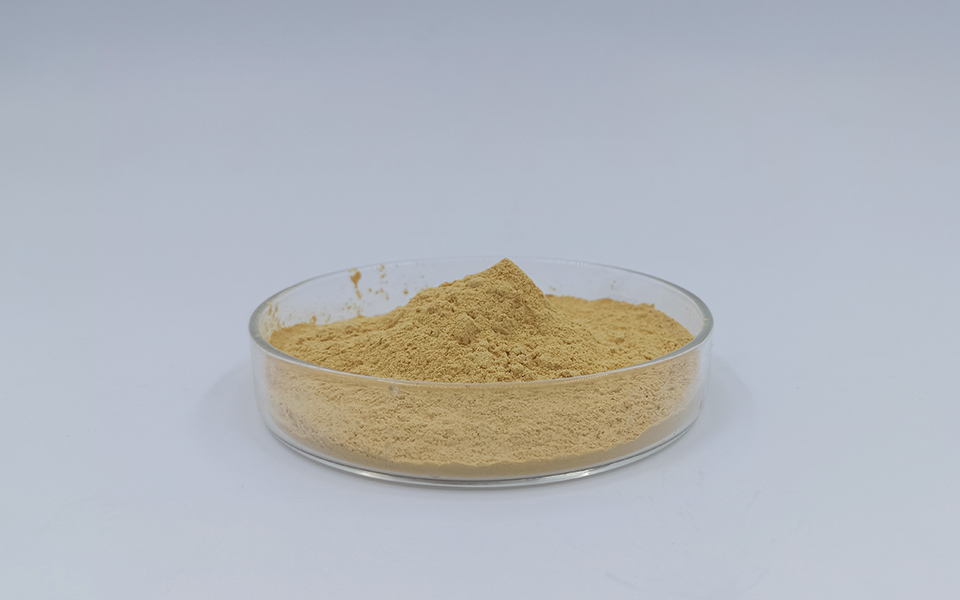
Formulation Check: High-quality retarders are usually supplied as fine, free-flowing powders or high-concentration liquids with low viscosity, ensuring they integrate seamlessly with other additives like cellulose ethers or superplasticizers.
4. Environmental & Odor Profile (The VOC Test)
Modern indoor air quality (IAQ) standards in Europe and North America have made traditional, foul-smelling protein retarders obsolete.
-
The Indicator: Low-odor or Odorless profiles are mandatory for residential interior plasters.
-
Sustainability Metric: Ensure the product is Biodegradable and Formaldehyde-free. Biodegradable organic retarders like PASP are the 2026 industry standard because they align with "Green Building" certifications (LEED/BREEAM) and do not release harmful VOCs during the drying process.
Quality Comparison at a Glance (2026 Standards)
Conclusion: Sourcing for the Long Term
Selecting a gypsum retarder is a balance of chemistry and reliability. By prioritizing Strength Retention, Batch Consistency, and Low Odor, sourcing professionals can ensure their gypsum products meet the rigorous demands of 2026 construction standards. Partnering with upstream manufacturers who prioritize R&D and environmental compliance is the most effective way to "future-proof" your product formulations.
Yuanlian Chemical specializes in the production of polyaspartic acid (PASP),tetrasodium iminodisuccinate(IDS), GLDA, MGDA etc. with stable quality and excellent quantity!

Contact us