


-

- 2026-04-15
Decoding Environmental Policy: How Specialty Fertilizer Manufacturers Achieve Organic Certification via Green Chelation
In 2026, the specialty fertilizer industry is no longer just competing on yield; it is competing on Environmental Compliance. With the tightening of the EU’s Farm to Fork strategy, North America’s USDA Organic standards, and China’s "Green Development" policies, the pressure to eliminate synthetic, persistent chemicals is at an all-time high.
For manufacturers of micronutrient and foliar fertilizers, the most significant hurdle to achieving Organic Certification (such as OMRI, ECOCERT, or National Organic Standards) is the choice of chelating agent.
1. The Regulatory Barrier: Why EDTA is Failing
Traditionally, EDTA and its derivatives were the workhorses of the industry. However, under modern environmental audits, they are increasingly disqualified for organic use:
-
Non-Biodegradability: EDTA’s persistence in soil leads to the remobilization of heavy metals into the water table, violating the "ecological harmony" principles of organic farming.
-
Synthetic Origin: Most legacy chelants are derived purely from petrochemical processes, making them ineligible for certificates that demand renewable or bio-based inputs.
2. The Green Path: Approved Chelants for Organic Standards
To pass a rigorous organic audit in 2026, a chelant must demonstrate a Natural Origin or Rapid Biodegradability. This is where green technologies like GLDA, MGDA, and PASP change the game.
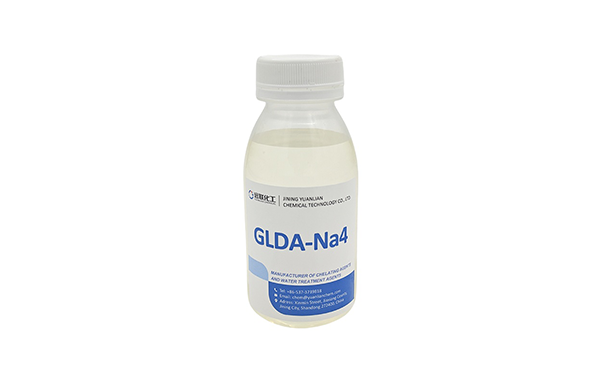
A. GLDA (Tetrasodium Glutamate Diacetate)
Derived from L-glutamic acid (via plant fermentation), GLDA is the primary candidate for organic-grade liquid fertilizers.
-
Organic Alignment: Because its core structure is an amino acid derivative from renewable starch or sugar beet, it aligns with "Natural Origin" requirements.
-
Result: Manufacturers using high-purity GLDA can more easily pass the toxicological and environmental fate assessments required by ECOCERT.
B. PASP (Polyaspartic Acid)
PASP is a biomimetic polymer that mirrors the proteins found in snail shells.
-
The "Bio-Stimulant" Bonus: Beyond chelation, PASP is recognized as a plant growth enhancer. In an organic audit, its classification as a biodegradable biopolymer helps it pass the scrutiny of soil health impact studies.
3. Key Documentation for the Certification Audit
Specialty fertilizer manufacturers must provide a "Technical Dossier" to certification bodies. Switching to green chelants simplifies this process:
-
Biodegradability Reports (OECD 301B): Providing proof that your chelant degrades >60% within 28 days is often a mandatory threshold for "Green Label" or organic-supportive certifications.
-
Heavy Metal Analysis: Organic standards demand that the chelant does not contain detectable levels of lead, arsenic, or cadmium. Premium suppliers like Yuanlian Chemical provide batch-specific COAs (Certificates of Analysis) that meet these ultra-low thresholds.
-
Life Cycle Assessment (LCA): Many modern certifications now look at the carbon footprint of the raw materials. Green chelants derived from fermentation typically have a significantly lower GWP (Global Warming Potential) than petrochemical EDTA.
4. Operational ROI: Beyond the "Organic" Label
Achieving organic certification via green chelation is not just a regulatory "check-box"—它 provides direct functional benefits:
-
Higher Bio-Availability: Chelants like GLDA and MGDA are structurally similar to natural plant exudates, leading to faster nutrient uptake.
-
Market Premium: Certified organic specialty fertilizers often command a 15-30% price premium in the 2026 international market.
-
Soil Longevity: By using biodegradable agents, you prevent the long-term "salinization" and chemical buildup that occurs with synthetic alternatives.
Conclusion: Securing Your 2026 Market Share
The transition to green chelation is the most efficient "fast-track" to organic certification. By replacing persistent synthetic chemicals with bio-based solutions like GLDA or PASP, specialty fertilizer manufacturers can satisfy both the regulator's demand for safety and the grower's demand for performance.
At Yuanlian Chemical, we specialize in providing the upstream green chemistry required to help your products pass the most rigorous global organic audits.
Yuanlian Chemical specializes in the production of polyaspartic acid (PASP),tetrasodium iminodisuccinate(IDS), GLDA, MGDA etc. with stable quality and excellent quantity!

Contact us