



-

- 2026-04-17
The Science of Stability: How Potassium Polyaspartate (KPA) Prevents Tartrate Precipitation in Wine
For centuries, "wine diamonds"—the crystalline precipitates of potassium bitartrate—have been a natural, albeit misunderstood, phenomenon. While harmless, these crystals are often perceived as a quality defect by modern consumers. Traditionally, winemakers relied on energy-intensive cold stabilization to remove them.
However, as we move through 2026, the global wine industry is shifting toward more sustainable, "subtractive-free" methods. At the forefront of this evolution is Potassium Polyaspartate (KPA), a high-performance stabilizer that preserves wine quality while eliminating the need for refrigeration.
1. The Mechanism: A Kinetic "Wall" Against Crystal Growth
Tartrate precipitation occurs when tartaric acid and potassium ions reach a point of supersaturation, forming crystal nuclei that grow until they drop out of solution.
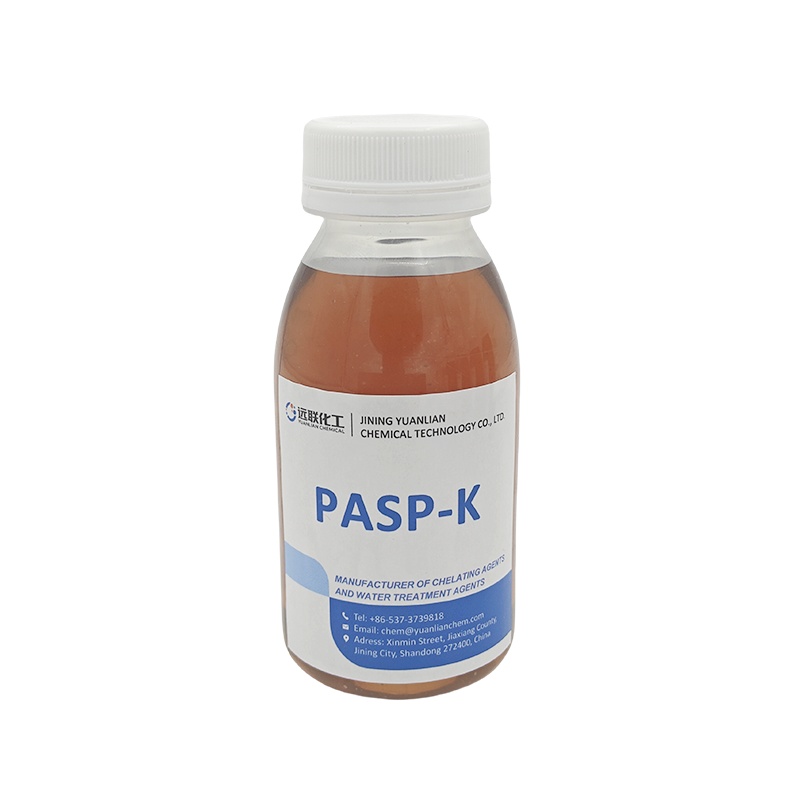
KPA functions as a potent threshold inhibitor. Unlike traditional methods that remove the components of the crystals, KPA intervenes in the crystallization process itself:
-
Nucleation Inhibition: KPA molecules are highly charged biopolymers that adsorb onto the surface of emerging potassium bitartrate nuclei.
-
Crystal Disturbance: By blocking the "active sites" on the crystal lattice, KPA prevents additional ions from attaching. This effectively halts crystal growth at a sub-microscopic level, keeping the tartrates in a perfectly stable, dissolved state.
2. Protecting the Sensory Soul of the Wine
The greatest advantage of KPA over cold stabilization or ion exchange is its neutrality. Cold stabilization can often lead to a loss of color intensity (especially in reds) and a reduction in the aromatic profile due to oxygen pick-up during the cooling/heating cycle.
-
Color Stability: KPA has a synergistic effect with wine polyphenols. It does not strip anthocyanins, ensuring that the deep hues of Cabernet or Syrah remain intact.
-
Aromatic Preservation: Since KPA is applied just before bottling at ambient temperatures, the delicate esters and volatile thiols are protected from thermal stress, preserving the wine's "terroir" expression.
-
Mouthfeel Integrity: KPA does not alter the pH or the total acidity of the wine, maintaining the structural balance and "crispness" intended by the winemaker.
3. Sustainability: Reducing the Carbon Footprint of the Cellar
In 2026, the "Green" credentials of a winery are a vital part of brand identity. Cold stabilization is one of the most energy-consuming processes in the cellar.
The KPA Advantage:
-
Energy Savings: Switching to KPA stabilization can reduce a winery's electricity consumption by up to 80% for the stabilization phase.
-
Water Conservation: Eliminating the need for cooling jackets and intensive tank cleaning significantly reduces water waste.
-
Time Efficiency: Traditional cold stabilization can take weeks; KPA stabilization is near-instantaneous, allowing for faster throughput and lower operational overhead.
4. 2026 Regulatory and Enological Standards
KPA (listed as E456 in the EU) is fully approved for use in both conventional and many organic winemaking protocols. It is a biodegradable polymer derived from the amino acid L-aspartic acid, making it a "clean label" friendly additive.
Conclusion: Engineering the Perfect Pour
Stability is no longer a trade-off for quality. By utilizing Potassium Polyaspartate, winemakers can guarantee a crystal-free experience for the consumer while upholding the highest standards of sensory excellence and environmental stewardship.
At Yuanlian Chemical, we provide high-purity, enological-grade polyaspartates designed to protect the integrity of your vintage from the cellar to the glass.
Yuanlian Chemical specializes in the production of polyaspartic acid (PASP),tetrasodium iminodisuccinate(IDS), GLDA, MGDA etc. with stable quality and excellent quantity!

Contact us