



-

- 2026-04-24
The Evolution of Urea: Why Polypeptide-Enhanced Fertilizers are Replacing Traditional Options
For over a century, traditional urea has been the backbone of global nitrogen fertilization due to its high nutrient density and cost-effectiveness. However, as we navigate the agricultural demands of 2026, the flaws of "naked" urea—massive leaching, high volatilization, and low efficiency—have become unsustainable.
The industry is currently witnessing a paradigm shift. Traditional urea is being rapidly replaced by Polypeptide-Enhanced Urea, a smarter, "biologically active" nitrogen source powered by Polyaspartic Acid (PASP).
1. The Efficiency Crisis of Traditional Urea
Traditional urea is a high-speed nitrogen delivery system that the soil cannot always handle. Upon application, it undergoes rapid hydrolysis, converting into ammonium and then nitrate.
-
The Waste Factor: In many climates, up to 60% of the nitrogen in traditional urea is lost to the atmosphere as ammonia gas or leached into groundwater before the plant can absorb it.
-
Soil Degradation: Continuous use of high-dose traditional urea can lead to soil acidification and a decline in microbial diversity, creating a cycle of "diminishing returns."
2. The Polypeptide Innovation: Intelligence in Every Granule
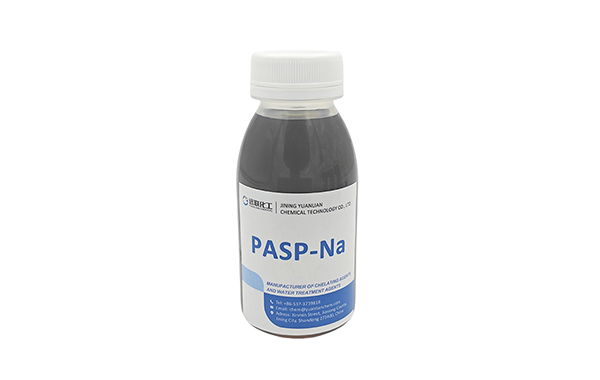
Polypeptide-Enhanced Urea is not just a coating; it is a chemical synergy. By incorporating Polyaspartic Acid (PASP)—a biodegradable biopolymer—into the urea melting or coating process, the fertilizer gains "intelligence."
-
Kinetic Regulation: PASP acts as a natural inhibitor and stabilizer. It slows the enzymatic breakdown of urea, ensuring that the nitrogen release curve aligns with the actual growth stages of the crop.
-
The "Chelation Claw": PASP molecules are rich in carboxyl groups that capture and hold nitrogen ions in the rhizosphere. This reduces the movement of nitrate through the soil profile, effectively "anchoring" the nutrients where they are most needed.
[Image: Comparison of nitrogen release curves: Traditional Urea vs. Polypeptide Urea]
3. Why the Market is Switching: The 2026 Advantage
The transition to polypeptide-enhanced options is driven by three core pillars of modern agribusiness:
A. Superior Yield and Quality
Field data in 2026 shows that Polypeptide Urea does more than grow "green" plants; it improves crop quality. By providing a steady nitrogen supply, it prevents the "surge and starve" cycle of traditional urea, leading to:
-
Higher Protein Content: Especially in wheat and forage crops.
-
Better Grain Filling: Resulting in higher test weights and market premiums.
B. ESG and Regulatory Compliance
With the 2026 global implementation of stricter "Greenhouse Gas" reporting for farms, the lower volatilization rates of Polypeptide Urea are a major asset. It allows farms to maintain yields while significantly lowering their Nitrous Oxide () footprint, making them eligible for carbon credits.
C. Total Cost of Ownership (TCO)
While the per-ton price of Polypeptide Urea is higher than traditional options, the cost per unit of absorbed nitrogen is lower.
-
Reduced Pass-Throughs: Farmers can often achieve the same or better results with 20% less total fertilizer, reducing labor, fuel, and equipment wear.
4. The Future of the Urea Industry
As we look toward 2030, the "Evolution of Urea" is moving toward full-scale polypeptide integration. Manufacturers who fail to upgrade their production lines to include PASP-enhanced options risk being sidelined by a market that now demands high performance and ecological accountability.
Conclusion: A New Era of Nitrogen Management
The era of "brute force" fertilization is over. Polypeptide-Enhanced Urea represents the perfect fusion of industrial chemistry and biological harmony. By adopting these advanced solutions from Yuanlian Chemical, growers and distributors are securing a more productive, sustainable, and profitable future.
Yuanlian Chemical specializes in the production of polyaspartic acid (PASP),tetrasodium iminodisuccinate(IDS), GLDA, MGDA etc. with stable quality and excellent quantity!

Contact us