


-

- 2026-04-24
Sustainable Farming 2026: Reducing Environmental Nitrogen Leaching with Polypeptide Urea
In the precision-driven world of 2026 agriculture, the efficiency of nitrogen (N) application has become the primary metric for success. Traditional urea, while high in nitrogen content, is notoriously prone to leaching—the process where nitrate-nitrogen (-) washes out of the root zone and into groundwater, causing both economic loss and aquatic eutrophication.
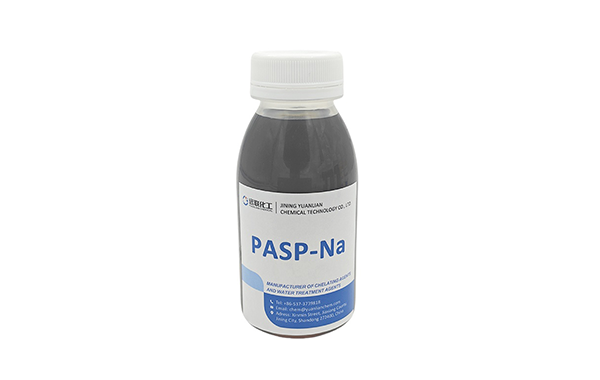
Polypeptide Urea, a synergistic blend of conventional urea and Polyaspartic Acid (PASP), has emerged as the definitive technical solution. By re-engineering the soil-nutrient interface, this "smart" fertilizer is helping the global farming community meet the 2026 mandates for reduced chemical runoff and improved Nitrogen Use Efficiency (NUE).
1. The Science of Retention: How Polypeptide Urea Works
The core innovation of Polypeptide Urea lies in the PASP molecular chain. As a biodegradable biopolymer, PASP acts as a nutrient anchor through two primary micro-mechanisms:
-
Ionic Entrapment: PASP is rich in active carboxyl and amide groups. These functional groups form weak chemical complexes with nitrogen ions, slowing their transformation from ammonium () to the more mobile nitrate (). This "slow-release" effect ensures that nitrogen remains in the top 30–60 cm of soil, where roots are most active.
-
Chelation Synergy: PASP doesn't just hold nitrogen; it chelates essential secondary minerals like Calcium and Magnesium. By preventing these minerals from reacting with other soil components, PASP keeps the soil structure porous, improving water retention and further reducing the gravity-led leaching of nutrients.
2. Environmental Impact: Solving the Leaching Crisis
Research data from 2025–2026 field trials has confirmed that Polypeptide Urea significantly mitigates environmental damage compared to conventional urea:
-
Groundwater Protection: By decreasing the amount of nitrogen reaching the 60–90 cm soil layer, Polypeptide Urea reduces the risk of nitrate contamination in deep-water aquifers.
-
Heavy Metal Inhibition: A breakthrough 2026 study in the Journal of Environmental Management revealed that Polypeptide Urea enhances ammonium uptake in crops like rice, which competitively inhibits the absorption of toxic heavy metals like Cadmium ().
-
Reduced Volatilization: The polypeptide coating minimizes ammonia () gas loss into the atmosphere, directly lowering the carbon footprint of the farm.
3. Economic ROI: High Yields with Lower Inputs
For the 2026 agribusiness, sustainability must be profitable. Polypeptide Urea offers a superior return on investment by maximizing the "Net Nitrogen Value":
[Image: Radar chart showing the multidimensional benefits of PASP-U in wheat and maize]
4. The 2026 Sustainable Choice: Why PASP-U?
As global markets move toward "Green Label" produce, the traceability and environmental impact of fertilizers are under the spotlight. Polypeptide Urea is:
-
100% Biodegradable: Unlike plastic-coated controlled-release fertilizers, the PASP coating is fully consumed by soil microbes.
-
Nontoxic: It leaves no chemical residue, making it compatible with regenerative and organic-supportive farming practices.
-
Drone-Ready: Modern granular formulations are optimized for UAV (unmanned air vehicle) spraying, ensuring uniform distribution and 2026-level precision.
Conclusion: Engineering a Greener Harvest
The era of "over-fertilizing" is over. Polypeptide Urea provides the technical bridge required to maintain high global food production while drastically reducing the environmental footprint of nitrogen leaching. By choosing PASP-enhanced solutions from Yuanlian Chemical, you are investing in a future where high yields and healthy ecosystems coexist.
Yuanlian Chemical specializes in the production of polyaspartic acid (PASP),tetrasodium iminodisuccinate(IDS), GLDA, MGDA etc. with stable quality and excellent quantity!

Contact us