


-

- 2026-04-27
Why GLDA-Na4 is the Superior Alternative to EDTA: A Deep Comparison of Chelation Power and Eco-Data
In the 2026 industrial and personal care markets, the shift from EDTA (Ethylenediaminetetraacetic acid) to sustainable alternatives has reached a tipping point. Driven by the EU’s "Green Deal," the UN’s environmental mandates, and a global surge in "Clean Beauty," formulators are seeking replacements that don't compromise on performance.
Among all candidates, GLDA-Na4 (Tetrasodium Glutamate Diacetate) has emerged as the definitive successor. This article provides a comprehensive technical comparison of why GLDA is not just a "green substitute," but a high-performance upgrade.
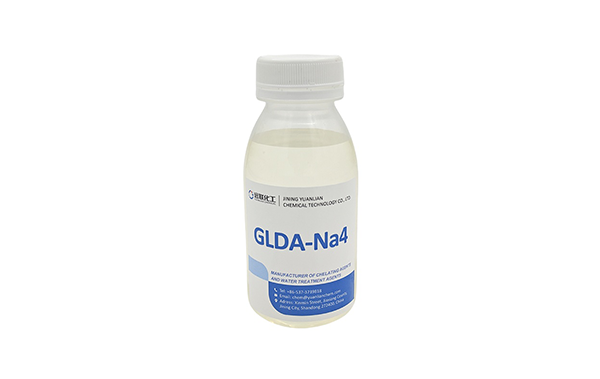
1. The Performance Benchmark: Chelation Efficiency
The primary concern for any chemist switching from EDTA is whether the "Green" alternative can handle heavy metal ions () with the same ferocity.
-
High Stability Constants (): GLDA-Na4 possesses stability constants that rival EDTA for most transition metals. For instance, its for Calcium (~5.9) and Iron (~15.3) ensures that it effectively prevents mineral buildup and oxidative rancidity in complex formulations.
-
Superior pH Versatility: While EDTA’s performance can fluctuate in extreme environments, GLDA-Na4 maintains its chelation power across an exceptionally wide pH range (from 2 to 14). It is particularly stable in highly alkaline conditions, making it superior for industrial degreasers and textile processing.
-
Synergistic Boosting: Unlike EDTA, GLDA-Na4 acts as a potent preservative booster. By destabilizing microbial cell walls more effectively, it allows formulators to reduce the concentration of controversial preservatives like parabens or phenoxyethanol.
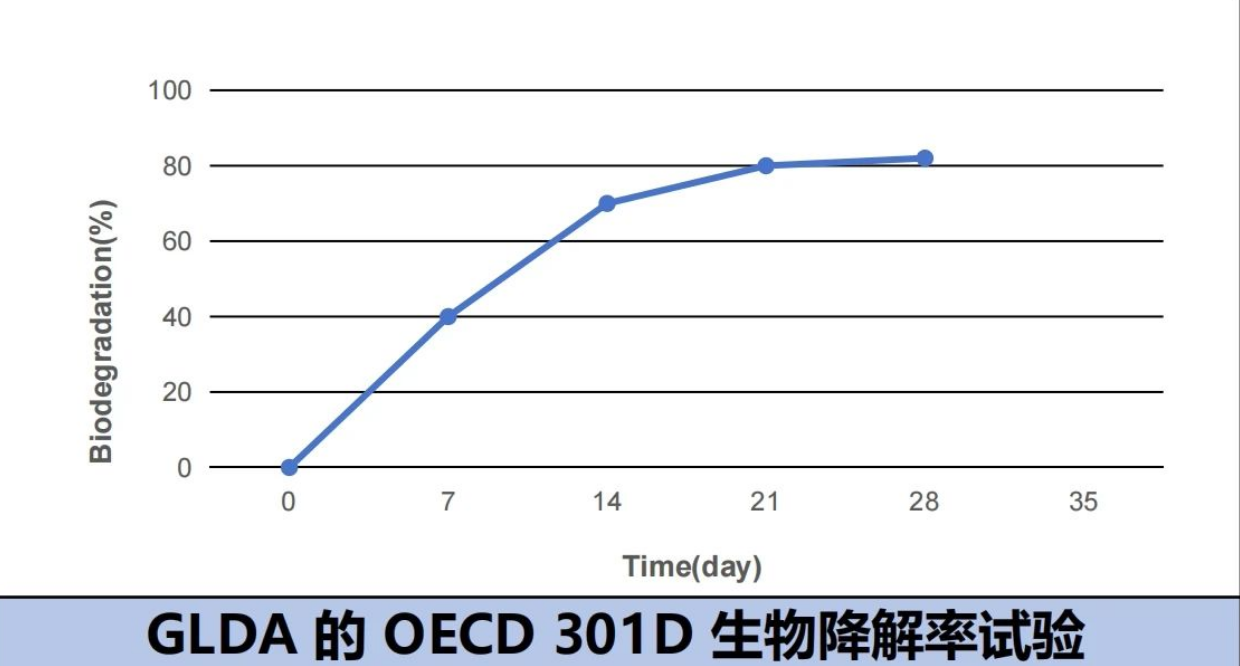
2. The Eco-Data Duel: EDTA vs. GLDA-Na4
The most significant divergence between these two molecules lies in their environmental fate.
The "Persistent" Problem
EDTA is notorious for its environmental persistence. It does not degrade in wastewater treatment plants, leading to the remobilization of heavy metals from river sediments into the drinking water supply. GLDA-Na4, derived from natural fermentation, is recognized by microorganisms as a nutrient source, ensuring it disappears from the ecosystem shortly after use.
3. Solubility and Formulation ROI
From a manufacturing perspective, GLDA-Na4 offers practical advantages that EDTA cannot match:
-
Higher Solubility: GLDA-Na4 is significantly more soluble in water than EDTA. This allows for the creation of ultra-concentrated liquid products, reducing plastic packaging and lowering shipping-related carbon emissions—a key KPI for 2026 supply chains.
-
Reduced Hazard Labeling: Because GLDA is non-corrosive to skin and eyes at standard concentrations, it helps brands avoid "Skull and Crossbones" or "Corrosive" warning labels on finished consumer products, directly increasing consumer trust.
4. 2026 Strategic Sourcing: Why Yuanlian Chemical?
Transitioning to GLDA-Na4 requires a partner that understands both the chemistry and the global regulatory landscape. Yuanlian Chemical provides high-purity GLDA solutions that are:
-
Vertically Integrated: Ensuring price stability in a volatile global market.
-
Certified Quality: Meeting the most stringent standards for pharmaceutical, cosmetic, and industrial applications.
-
Technical Support: Our R&D teams assist in "drop-in" replacements to ensure your formulation's transition is seamless.
Conclusion: The Future belongs to GLDA
The choice between EDTA and GLDA-Na4 is no longer a debate between "Performance vs. Environment." In 2026, GLDA-Na4 represents the intersection of both. It provides the heavy-duty chelation required for modern industry while ensuring your brand remains on the right side of environmental history.
Yuanlian Chemical specializes in the production of polyaspartic acid (PASP),tetrasodium iminodisuccinate(IDS), GLDA, MGDA etc. with stable quality and excellent quantity!

Contact us