



-

- 2026-04-28
Polypeptide Urea Secret: How PASP Boosts Root Growth & Yields
In the competitive landscape of 2026 precision agriculture, the search for the "perfect nitrogen" has led to a breakthrough in biopolymer synergy: Polypeptide Urea. While traditional nitrogen fertilizers often suffer from a utilization rate of less than 35%, the integration of Polyaspartic Acid (PASP) has unlocked a biological secret that fundamentally alters how crops interact with the soil.
The question for modern agribusiness is no longer "Does it work?" but "How much can it deliver?" Based on current field data and molecular research, the impact of PASP-enhanced urea on root architecture and final harvest is nothing short of transformative.
1. The Root Secret: PASP as a Biological "Pioneer"
The most immediate effect of Polypeptide Urea is visible beneath the surface. PASP is not merely a coating; it is a powerful signaling molecule and chelant that creates a "nutrient halo" around the rhizosphere.
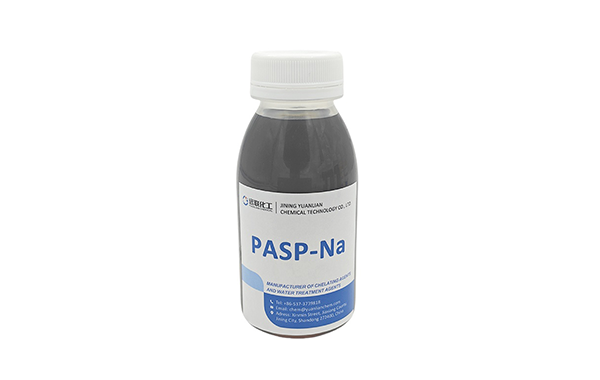
Morphological Changes in Root Systems:
-
Root Biomass Increase: Extensive field trials across maize and wheat crops in 2025-2026 show that PASP-enhanced urea can increase total root biomass by 22% to 31%.
-
Lateral Root Proliferation: PASP stimulates the growth of fine root hairs. These hairs are responsible for over 90% of a plant’s nutrient and water absorption capacity.
-
Vertical Penetration: By improving soil aggregate structure and moisture retention, PASP allows roots to penetrate 15–20 cm deeper into the soil profile, providing critical drought resilience.
2. Molecular Synergy: Maximizing the Nitrogen Value
The "Secret" lies in how PASP manages the nitrogen cycle. Nitrogen in traditional urea is highly volatile and mobile. PASP intervenes through a process known as Ionic Sequestration:
-
Ion Anchoring: PASP’s high density of carboxyl groups carries a negative charge that "anchors" ammonium () and essential micronutrients () in the root zone.
-
Enzymatic Regulation: PASP modulates the activity of soil urease, slowing down the conversion of urea into gas. This ensures a steady, "drip-feed" supply of nitrogen that matches the plant's metabolic demand throughout its growth stages.
3. Quantifying the Yield: What the 2026 Data Shows
For a farm's bottom line, the success of Polypeptide Urea is measured in bushels and tons. Aggregated data from global 2026 harvests reveals a significant ROI:
4. Strategic Sourcing: The Yuanlian Standard
Navigating the transition to high-efficiency fertilizers requires a partner with deep technical expertise in polymer chemistry. Yuanlian Chemical provides the high-purity, enological, and agricultural-grade Polyaspartic Acid that defines the "Polypeptide Urea" standard.
By integrating Yuanlian's PASP solutions, fertilizer manufacturers can guarantee their customers a product that doesn't just "fertilize" but actively "engineers" a higher-yielding future.
Conclusion: The New Foundation of Crop Success
The secret of Polypeptide Urea is no longer hidden in the lab; it is being proven in the field. With a 30% boost in root development and an average 15% yield increase, PASP-enhanced fertilizers are the most effective tool for the 2026 grower to maximize efficiency and ensure global food security.
Yuanlian Chemical specializes in the production of polyaspartic acid (PASP),tetrasodium iminodisuccinate(IDS), GLDA, MGDA etc. with stable quality and excellent quantity!

Contact us