


-

- 2026-04-29
Economic Analysis: Achieving a 20% Water Reduction in Gypsum Production Without Strength Loss
In the 2026 building materials sector, the "Sustainability vs. Profit" debate has been settled by chemistry. For gypsum-based products—ranging from machine-applied plasters to high-performance gypsum blocks—water management is the single most significant factor affecting both production costs and structural integrity.
By utilizing advanced Gypsum Superplasticizers (Water Reducers) to achieve a 20% reduction in water demand, manufacturers can unlock a cascade of economic benefits. This analysis explores the financial ROI of water reduction, focusing on material savings, energy efficiency, and enhanced product value.
1. The Relationship Between Water-Gypsum Ratio and Cost
The "Water-Gypsum (W/G) Ratio" is the primary lever for manufacturing economics. Traditionally, excess water is added to ensure flowability. However, every drop of "excess" water that does not participate in the hydration of creates a microscopic void upon evaporation, which weakens the final structure.
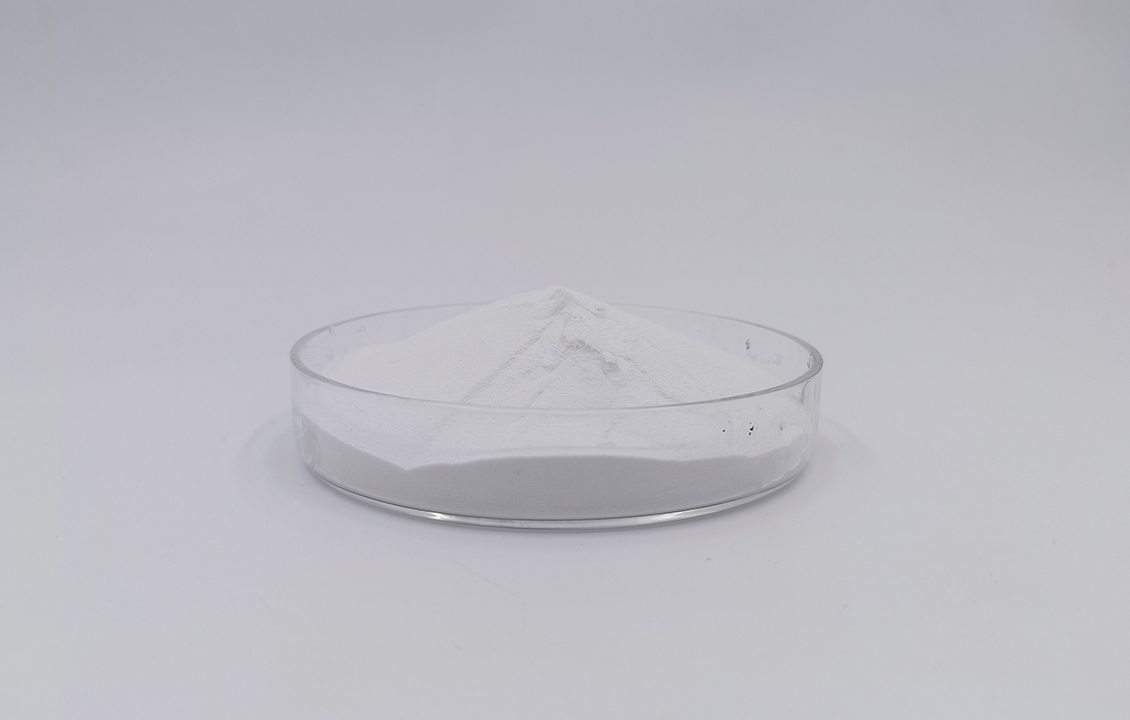
By integrating a specialized Polycarboxylate Ether (PCE) or Melamine-based superplasticizer, manufacturers can maintain high flowability at a 20% lower W/G ratio.
2. Direct Economic Gains: A Three-Pillar Model
A. Significant Energy Savings (Drying Costs)
In the production of gypsum boards and blocks, the energy required to evaporate excess water is a massive overhead.
-
The Math: Reducing water by 20% means there is 20% less moisture to remove in the drying kilns.
-
The ROI: Depending on local energy prices in 2026, this translates to a 12–18% reduction in total energy expenditure per production cycle. In high-volume plants, this saving alone often covers the entire cost of the additive.
B. Material Optimization and Strength Enhancement
Reducing water inherently increases the density of the set gypsum.
-
Strength Gain: A 20% water reduction typically leads to a 15–25% increase in compressive strength.
-
The Economic Pivot: Manufacturers can leverage this "surplus strength" to optimize their formulas—potentially reducing the thickness of gypsum boards or using higher ratios of recycled/synthetic gypsum without falling below ASTM or EN strength standards.
C. Increased Throughput and Labor Efficiency
For construction-grade mortars, the economic benefit is found in workability.
-
Labor Savings: Plasters with lower water content but high fluidity (achieved via superplasticizers) are significantly easier to pump and trowel. Field data shows a 25% increase in application speed, reducing labor hours per square meter.
-
Faster Set-to-Finish: Lower water content leads to faster drying times on the wall, allowing subsequent trades (painting, wallpapering) to begin sooner, shortening the overall project timeline.
3. Comparative ROI Table: Standard vs. Water-Reduced Gypsum
4. ESG and Regulatory Incentives in 2026
Beyond direct cash flow, the 2026 regulatory environment offers indirect financial rewards:
-
Carbon Credits: Lower energy consumption in kilns translates to lower emissions, potentially earning the manufacturer carbon credits or tax rebates.
-
Water Stewardship: In water-stressed regions, a 20% reduction in industrial water use is a key KPI for securing government permits and "Green Building" certifications (LEED/BREEAM), which command higher market prices.
5. Implementation Strategy: Precision Dosing
To realize these gains, the choice of additive is critical. Yuanlian Chemical provides high-concentration gypsum superplasticizers that are effective at dosages as low as 0.2% to 0.5% by weight of gypsum. Our technical team provides precise cost-benefit modeling based on your specific gypsum source (natural, FGD, or phosphogypsum) to ensure maximum ROI.
Conclusion: Turning Water into Profit
Reducing water by 20% is no longer just a technical achievement; it is a fundamental financial strategy for the modern gypsum industry. By maintaining strength while slashing energy and labor costs, Gypsum Superplasticizers provide a rare "no-compromise" solution for the 2026 construction market.
Yuanlian Chemical specializes in the production of polyaspartic acid (PASP),tetrasodium iminodisuccinate(IDS), GLDA, MGDA etc. with stable quality and excellent quantity!

Contact us