


-

- 2026-04-30
The Science of Chelated Micronutrients: How They Prevent Nutrient Lock-up in Challenging Soils
In the world of precision agriculture, applying nutrients is only half the battle. The real challenge lies in ensuring those nutrients actually reach the plant. In many "challenging" soils—those with high pH, high organic matter, or salinity issues—essential micronutrients like Iron (), Zinc (), Manganese (), and Copper () become chemically "locked," making them unavailable to crops.
This is where the science of chelation becomes a game-changer.
What is Nutrient Lock-up?
Nutrient lock-up occurs when ionic micronutrients react with soil components (like phosphates or carbonates) to form insoluble precipitates. For example, in alkaline soils (pH > 7.5), Iron reacts with hydroxide ions to form iron hydroxide, which is essentially a solid that plants cannot "drink."
Despite having high levels of minerals in the soil, crops may still exhibit signs of deficiency, such as interveinal chlorosis (yellowing leaves) or stunted growth.
How Chelation Works: The "Claw" Mechanism
The term "chelate" is derived from the Greek word chele, meaning "claw." A chelating agent is an organic molecule that wraps around a metal ion, protecting it from unwanted chemical reactions in the soil.
The Chemical Shield
When a micronutrient is chelated (e.g., using PASP, GLDA, or EDDS), the organic ligand prevents the metal ion from reacting with soil anions. The molecule remains stable and water-soluble until it reaches the plant root or leaf surface.
By maintaining the nutrient in a soluble form, chelation ensures that the plant's vascular system can absorb and transport the mineral efficiently.
Why Chelated Micronutrients are Essential for Challenging Soils
1. High pH (Alkaline/Calcareous) Soils
In high pH soils, traditional sulfate-based fertilizers are almost immediately immobilized. Chelated micronutrients stay active across a wide pH range (often up to pH 10.0), ensuring that crops in regions like Northwest China or the Mediterranean can thrive.
2. High Phosphate Interference
Farmers often apply high amounts of Phosphorus (). However, and are "antagonists." Excess phosphate can lock up zinc, leading to deficiency. Chelated Zinc prevents this interaction, allowing both nutrients to be absorbed simultaneously.
3. Saline-Alkali Soil Restoration
Saline soils are rich in competing ions like Sodium (). Chelating agents like PASP-K not only provide potassium but also protect trace minerals from being "pushed out" of the plant's uptake channels by excess salts.
Choosing the Right Chelating Agent: Green Chemistry is the Future
While traditional chelates like EDTA have been used for decades, the industry is shifting toward biodegradable green chelating agents.
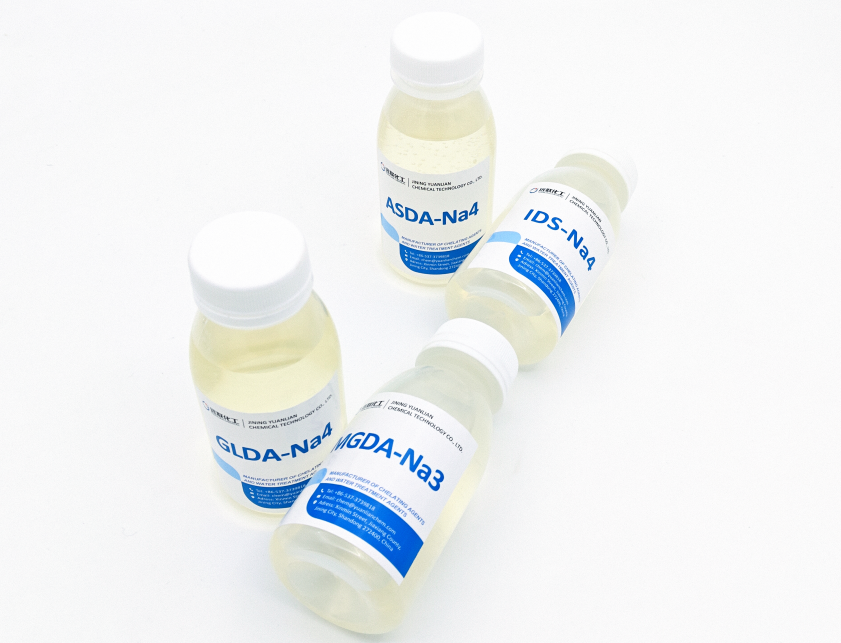
Yuanlian Chemical specializes in these green alternatives, ensuring that your fertilizer formulations are not only high-performing but also compliant with international environmental standards like EU REACH.
Benefits of Switching to Chelated Nutrients
-
Lower Application Rates: Because the nutrients aren't "lost" to the soil, you can apply 3–5 times less material compared to non-chelated salts.
-
Faster Crop Recovery: Foliar chelated sprays can correct deficiencies within days.
-
Improved ROI: Better nutrient uptake leads to higher yields, better fruit quality (Brix), and improved shelf life.
Conclusion: Science-Driven Yields
Understanding the science of nutrient lock-up is the first step toward optimizing crop performance. By utilizing advanced chelation technology, farmers can bypass the chemical barriers of challenging soils and deliver nutrients directly to the heart of the plant.
Yuanlian Chemical specializes in the production of polyaspartic acid (PASP),tetrasodium iminodisuccinate(IDS), GLDA, MGDA etc. with stable quality and excellent quantity!

Contact us