



Expert Verdict:
For Gypsum-based SLU, the choice depends on your priority:
- Choose Polyether Defoamers if you prioritize surface compatibility and want to avoid "oil spots" or fish-eyes.
- Choose Silicone Defoamers if you need rapid foam knockdown and higher cost-efficiency at lower dosages.
- The Trend 2026: Many high-end formulations are moving toward modified silicone to combine the benefits of both.
In the production of gypsum-based self-leveling underlayments (SLU), air entrainment is inevitable during high-shear mixing. Without an effective defoamer, these bubbles rise to the surface, leaving pinholes that compromise the floor's integrity. The debate between Silicone and Polyether chemistries remains a top concern for construction chemical formulators.
1. Polyether Defoamers: The Stability Specialist
Polyether-based defoamers are non-ionic surfactants. In gypsum systems, they are highly valued for their molecular-level dispersion.
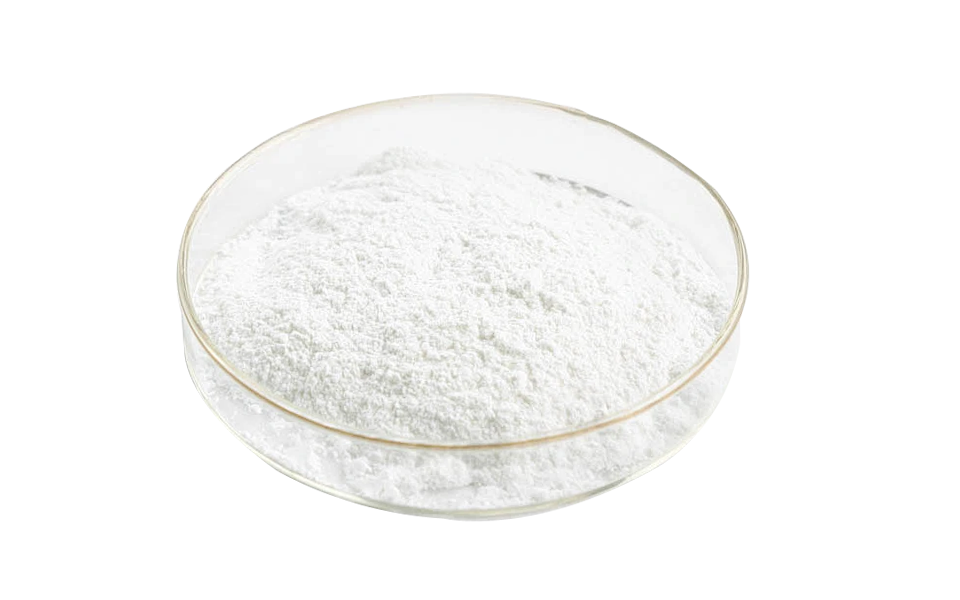
- Superior Compatibility: They rarely cause surface defects like cratering or oil spots.
- Long-lasting Effect: They maintain defoaming persistence even after prolonged mixing.
- Application: Ideal for high-end self-leveling projects where a mirror-like finish is mandatory.
2. Silicone Defoamers: The Efficiency Powerhouse
Silicone (Polysiloxane) defoamers have extremely low surface tension, allowing them to penetrate and collapse bubble films instantly.
- Low Dosage: Often effective at 50% of the dosage required for polyethers.
- Fast Action: Excellent at breaking large surface bubbles (macro-foam) during the pouring process.
- Consideration: Requires careful formulation to prevent "silicone oil" separation, which can affect the adhesion of subsequent floor coatings.
Technical Comparison: Silicone vs. Polyether
| Feature | Polyether Defoamer | Silicone Defoamer |
|---|---|---|
| Foam Knockdown | Moderate | Fast / Powerful |
| Surface Quality | Excellent (No Oil Spots) | Risk of Cratering |
| Acid/Alkali Stability | Very High | High (if modified) |
| Cost per Ton SLU | Higher | Lower (Due to Dosage) |
How to Choose for Your Gypsum Formulation?
When formulating Gypsum-based Self-leveling Underlayments, consider these two factors:
The Mixing Process
If your SLU is applied using high-pressure pumping equipment, a polyether defoamer's stability might be better. For manual pouring, the rapid knockdown of silicone is often preferred.
Compatibility with Additives
Gypsum SLU often contains high amounts of Polycarboxylate Superplasticizers (PCE). It is crucial to test the synergy between your PCE and defoamer to ensure the flowability (slump) isn't compromised.
Frequently Asked Questions
Q: Can I mix Silicone and Polyether defoamers?
A: Yes! In fact, many modern "Compound Defoamers" use this hybrid approach to achieve both fast knockdown and excellent surface compatibility.
Q: Does the defoamer affect the setting time of gypsum?
A: Generally, no. High-quality defoamers from suppliers like Yuanlian Chemical are designed to be inert regarding the hydration of alpha-calcium sulfate hemihydrate.

Contact us