



Technical Insights at a Glance:
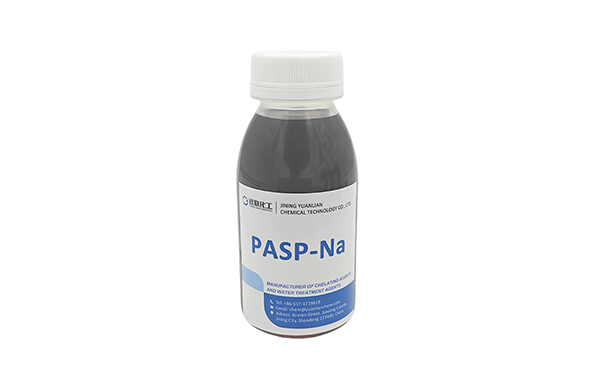
- The Synergist: PASP is a biodegradable amino acid polymer that mimics the function of plant proteins to capture and deliver nutrients.
- The Mechanism: It enhances Nitrogen Use Efficiency (NUE) by chelating cations and facilitating the transportation of nitrate and ammonium ions to the root zone.
- Yield Impact: Field trials show that adding PASP can increase crop yield by 5-15% while reducing fertilizer waste.
- Eco-Friendly: 100% non-toxic and soil-compatible; a sustainable alternative to synthetic polymer coatings.
As we move through 2026, the agricultural industry faces a dual challenge: feeding a growing population and reducing nitrogen runoff that leads to water eutrophication. Polyaspartic Acid (PASP), often termed a "Polypeptide Synergist," is the breakthrough chemical solution that bridges the gap between high productivity and environmental stewardship.
1. What is a Polypeptide Fertilizer Synergist?
PASP is a synthetic amino acid polymer that contains abundant carboxyl groups. Its molecular structure is highly active, allowing it to form stable complexes with metal ions in the soil. This prevents nutrient "lock-up" and ensures that nitrogen, phosphorus, and potassium remain in a bioavailable form for plant roots.
2. Maximizing Nitrogen Use Efficiency (NUE)
Traditional nitrogen fertilizers (like Urea) often lose up to 50% of their effectiveness due to leaching and volatilization. PASP improves NUE through two primary pathways:
- Ion Exchange Capacity: PASP increases the soil's cation exchange capacity (CEC), holding nutrients closer to the rhizosphere.
- Enzyme Stimulation: It stimulates the activity of nitrate reductase in plants, accelerating the conversion of inorganic nitrogen into organic amino acids and proteins.
Performance Impact: Standard Fertilizer vs. PASP-Enhanced Fertilizer
| Metric | Standard NPK | NPK + PASP Synergist |
|---|---|---|
| Nutrient Absorption Rate | 30% - 40% | 50% - 65% |
| Root Development | Standard | Denser, longer root hairs |
| Environmental Leaching | High | Significantly Reduced |
| Crop Yield Increase | Baseline | +5% to +15% |
3. The Benefits of Improved Nutrient Uptake
By improving nutrient uptake, PASP does more than just save money on fertilizer. It leads to:
- Enhanced Stress Resistance: Plants with better nutrient balance are more resistant to drought, cold, and salinity.
- Better Produce Quality: Higher protein content in grains and increased sugar levels in fruits.
- Soil Health Restoration: Unlike synthetic coatings that leave microplastics, PASP degrades into natural amino acids that enrich soil microbial life.
4. Application in Modern Agriculture
PASP is versatile and can be integrated into various systems:
- Compound Fertilizers: Added during the granulation process.
- Foliar Sprays: Combined with micronutrients for rapid absorption.
- Fertigation: Ideal for drip irrigation systems due to its high water solubility.
PASP for Agriculture FAQ
Q: Is PASP safe for organic farming?
A: While PASP is a synthesized polymer, it is 100% biodegradable and eco-friendly. Check with your local organic certification body for specific regional approval.
Q: How does PASP compare to humic acid as a synergist?
A: PASP is more efficient at lower dosages and has a more defined molecular structure for consistent nutrient chelation compared to the variable nature of humic acids.

Contact us