


-

- 2026-06-05
Polyaspartic Acid as a Sustainable Biopolymer for European Fertilizer Optimization
Here is a number that should keep any farmer awake at night: conventional crops only take up about 40 to 50 percent of the nitrogen applied as fertiliser. For phosphorus, it is even worse – sometimes below 20 percent.
The rest does not disappear. It leaches into groundwater. It volatilises into the air. Or it locks up in the soil where roots cannot reach it.
This is not just an economic problem. It is an environmental crisis. Nitrate pollution remains one of Europe's most persistent water quality issues, despite decades of regulation. And with fertiliser prices still high after recent spikes, farmers cannot afford to keep throwing away half of what they buy.
So what is the solution? Smarter fertilisers – not just more nutrients, but better delivery. That is where polyaspartic acid comes in.
What Is Polyaspartic Acid?
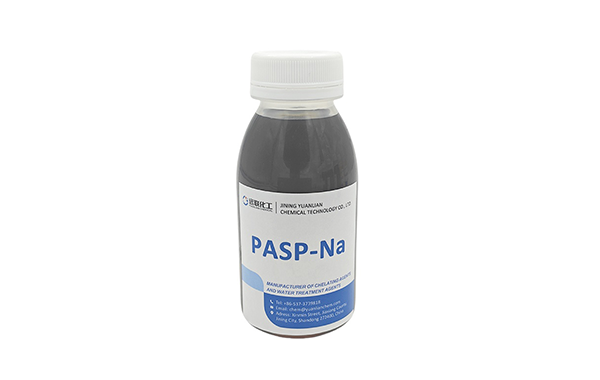
Polyaspartic acid (sometimes called polyaspartate) is a water-soluble biopolymer made from L-aspartic acid – a naturally occurring amino acid. The manufacturing process links these amino acids into long chains, creating a molecule with multiple binding sites for nutrient ions.
Unlike synthetic polymers that persist in soil for years, polyaspartic acid is fully biodegradable. Soil microbes break it down into harmless aspartic acid once it has done its job. No accumulation. No microplastic concerns.
For European farmers facing increasing scrutiny on soil additives, this matters. Polyaspartic acid is already ahead of the regulatory curve.
How Polyaspartic Acid Improves Nutrient Efficiency
The mechanism is simple. When you apply standard fertiliser, several things happen at once. Some nutrients dissolve and stay available. Some form insoluble precipitates – especially phosphorus with calcium or iron – and become useless. Others wash straight down through the soil before the crop ever gets a chance.
Polyaspartic acid changes this in three ways.
Slowing Down Nitrogen Release
Urea is Europe's most widely used nitrogen fertiliser. It is cheap and effective. But it is also highly mobile. Soil enzymes break urea down into ammonium, then nitrate. Nitrate does not stick to soil particles. It moves freely with water.
Polyaspartic acid acts as a mild urease inhibitor. It slows the initial breakdown, giving urea more time to move into the root zone before converting to mobile nitrate. The effect typically extends the availability window by a week to ten days. For spring wheat or maize, that can make the difference between the crop getting the nitrogen or the drainage tile getting it.
Keeping Phosphorus Soluble
Phosphorus chemistry is tricky. In acid soils, it binds to iron and aluminium. In alkaline soils – common across southern Europe – it binds to calcium. Either way, the phosphorus becomes insoluble and stays put, not where the roots are.
Polyaspartic acid chelates these binding metals. It forms temporary complexes with calcium, iron, and aluminium, keeping phosphorus in solution long enough for root uptake. Once the nutrient is taken up, the polyaspartic acid breaks down. No permanent residues.
Stimulating Root Growth
This is the part that surprises most agronomists. Polyaspartic acid has a mild biostimulant effect. Trials show increased root length and density when it is included in the fertiliser programme. More roots mean more surface area for nutrient uptake. Healthier roots take up nutrients more efficiently – less waste.
What the Field Trials Show
European trial data is steadily accumulating.
In northern France, winter wheat trials compared standard urea against urea coated with polyaspartic acid. The treated plots showed a 12 percent yield increase at the same nitrogen rate. Soil nitrate measurements after harvest showed significantly lower residual nitrogen – meaning less had leached away.
UK potato trials looked at phosphorus efficiency. Standard triple superphosphate was compared against the same rate with polyaspartic acid added. Tuber yield increased by 8 percent, and phosphorus content in the harvested crop was higher – confirming more of the applied nutrient was actually taken up.
Maize trials in northern Italy told a similar story. Polyaspartic acid added to starter fertiliser improved early root development. Treated plants were visibly larger at the four-leaf stage, with a yield difference just under 10 percent at harvest.
These are not revolutionary numbers. Polyaspartic acid will not double your yield. But a consistent 8 to 12 percent improvement in nutrient use efficiency means either lower fertiliser costs or higher yields – whichever matters more to the grower.
Where It Works Best
Polyaspartic acid delivers the most value under specific conditions.
Light, sandy soils are the obvious candidate. These soils do not hold nutrients well. Anything that reduces leaching is a clear win.
High rainfall areas present the same problem. In western England, Brittany, or the Netherlands, spring rains can push nitrogen past the root zone before the crop establishes. Polyaspartic acid gives the crop a longer window.
Fertiliser blends are the most practical delivery method. The dry powder mixes easily into granular NPK blends or urea at low rates – typically 0.5 to 2 percent of the total product. For liquid fertilisers, the sodium salt form dissolves cleanly.
Foliar applications are also possible, though less common. The same chelation effects work on the leaf surface as in the soil.
Limitations Worth Mentioning
No honest article skips the downsides.
Polyaspartic acid adds cost to the fertiliser blend. The grower needs enough yield improvement or fertiliser saving to justify it. In most European trials, the economics worked – but not by a huge margin.
The effect is modest. Do not expect miracles. Polyaspartic acid is a tool for squeezing more value from existing programmes, not a complete solution. It works best alongside good practices: split applications, soil testing, and cover cropping.
The biostimulant effect also varies by crop and soil type. It seems strongest in corn, wheat, and potatoes. For legumes or deep-rooted crops like sunflower, the benefit is less clear. Local trials are always advisable before making a full switch.
Practical Advice for European Growers
If you are considering polyaspartic acid, start with a small trial on your own farm.
Pick a field with known variability. Apply your standard fertiliser rate on half, and the same rate with polyaspartic acid added on the other half. Measure yield at harvest. If the treated side yields 5 percent more, you have paid for the additive. At 10 percent, you are comfortably ahead.
For granular blends, add 2 to 5 kilograms of polyaspartic acid powder per tonne of finished product. The powder is free-flowing and does not cause caking.
For liquid fertilisers, the sodium polyaspartate solution (typically 40 percent active) is the right form. It mixes easily into UAN or other liquid nitrogen products. Shelf life is 24 months or more in sealed containers.
Reliable supply matters. Yuanlian Chemical produces a high-purity agricultural grade that meets European specifications – water-soluble, consistent batch to batch, and free of heavy metal impurities.
Conclusion: Small Change, Real Difference
European agriculture needs to do more with less. Less nitrogen leaking into waterways. Less phosphorus locked in soil. Less money spent on fertiliser that never reaches the crop.
Polyaspartic acid is not a magic bullet. But it is a practical, proven, and sustainable tool for improving nutrient use efficiency. It biodegrades completely. It works across a range of crops and soil types. And it pays for itself in most field conditions.
For growers tired of watching their fertiliser investment wash down the drain, polyaspartic acid is worth a serious look.
Yuanlian Chemical specializes in the production of polyaspartic acid (PASP),tetrasodium iminodisuccinate(IDS), GLDA, MGDA etc. with stable quality and excellent quantity!

Contact us