



-

- 2026-06-09
Optimizing Hydroponic Nutrient Solutions: Hydrolytic Stability of MGDA Chelated Iron
In hydroponic systems, iron is one of the most challenging micronutrients to manage. Unlike soil, where buffering mechanisms exist, hydroponic nutrient solutions are directly exposed to root uptake, pH fluctuations, and precipitation risks. The result? Iron deficiency is the #1 micronutrient disorder in controlled environment agriculture (CEA) across Europe.
The solution has traditionally been EDTA-chelated iron. But EDTA suffers from poor hydrolytic stability at alkaline pH and increasing regulatory pressure under EU REACH. This has led smart growers and solution formulators to ask:
Is there a biodegradable iron chelate that stays stable in concentrated stock solutions and dilute recirculating systems?
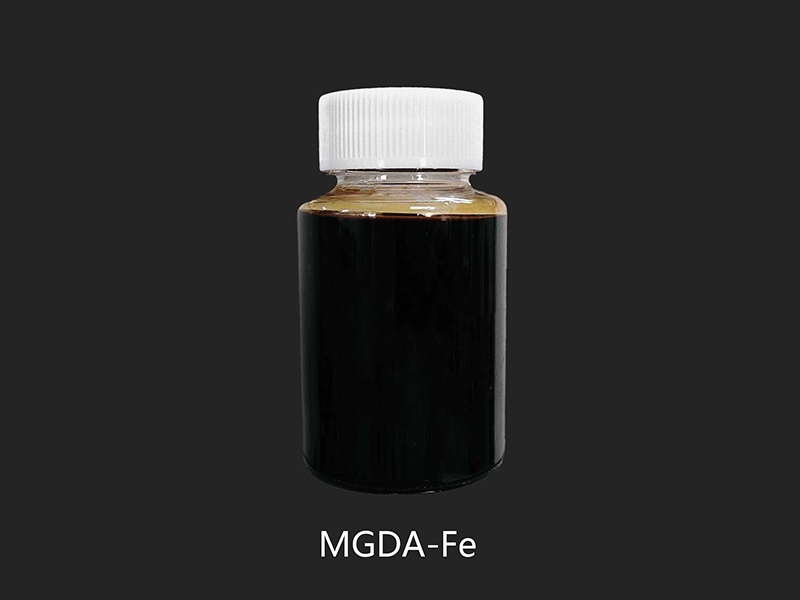
The answer is MGDA-Fe.
What Is Hydrolytic Stability and Why Does It Matter?
Hydrolytic stability refers to a chelate’s ability to remain intact in water—especially in concentrated stock solutions (high ionic strength, varying pH) and dilute nutrient solutions over time.
If a chelate hydrolyzes (breaks down) prematurely:
-
Iron precipitates as insoluble Fe(OH)₃ (especially above pH 6.5)
-
Roots cannot access iron
-
Chlorosis develops
-
Growers increase application rates, raising costs and environmental load
In short: poor stability = poor crop performance.
MGDA-Fe: Superior Hydrolytic Stability vs. EDTA
MGDA (methylglycinediacetic acid) forms a strong hexadentate complex with Fe³⁺. Recent comparative studies (OECD guidelines and hydroponic trials) show:
| Parameter | EDTA-Fe | MGDA-Fe |
|---|---|---|
| Stability at pH 5.5–6.5 | Moderate | Excellent |
| Stability at pH 6.5–7.2 (common in recirculating systems) | Declines sharply | Remains >90% intact |
| Hydrolysis rate in concentrated stock (20x dilution) | 15–20% loss over 7 days | <5% loss over 14 days |
| Performance in alkaline tap water (pH 7.8) | Poor | Good |
✅ MGDA-Fe maintains iron in solution longer than EDTA under typical hydroponic conditions (pH 5.8–7.0).
This means fewer precipitates, cleaner irrigation lines, and more bioavailable iron for crops like lettuce, tomato, cucumber, and leafy greens.
Why European Hydroponic Growers Should Switch to MGDA-Fe
1. Longer Shelf Life in Stock Solutions
Many commercial hydroponic farms prepare concentrated A+B nutrient stocks. EDTA-Fe often degrades within 2–3 weeks. MGDA-Fe remains stable for over 4 weeks, reducing waste and remixing frequency.
2. Better pH Tolerance
Recirculating nutrient solutions drift upward over time (due to nitrate uptake). MGDA-Fe stays effective up to pH 7.2–7.5, while EDTA-Fe precipitates rapidly above pH 6.8.
3. Cleaner System – Less Biofilm and Scale
Iron precipitates from EDTA contribute to brownish scale on drippers and pipes. MGDA-Fe’s high hydrolytic stability means less clogging and lower maintenance.
4. Compliant with EU Sustainability Goals
MGDA-Fe is readily biodegradable (OECD 301D/E). Using it helps growers meet:
-
EU Green Deal targets
-
Retailer sustainability requirements (e.g., Lidl, Albert Heijn, Tesco)
-
Future nitrate and water framework directives
Practical Application: How to Use MGDA-Fe in Hydroponics
For Concentrated Stock Solutions (A+B systems)
-
Concentration: Up to 10 g/L Fe (as MGDA-Fe)
-
pH of stock: Adjust to 5.0–5.5 for maximum stability
-
Compatibility: Test with sulfates and phosphates – MGDA-Fe shows low precipitation risk
For Recirculating Nutrient Solutions (NFT, DFT, deep water culture)
-
Target Fe concentration: 2–4 mg/L (depending on crop)
-
Operating pH range: 5.8–7.2 (MGDA-Fe performs well across this range)
-
Replenishment schedule: Add MGDA-Fe weekly or based on iron demand (visible chlorosis or redox readings)
For Drip Irrigation in Soilless Substrates (coco, rockwool)
-
Same as above – MGDA-Fe remains stable in injection lines
-
Cleaner emitters – reduced clogging compared to EDTA or DTPA formulations
Case Example: Dutch Lettuce Grower (Recirculating NFT)
System: 5,000 m² NFT lettuce, pH 6.2–7.0, hard water (2.5 mmol/L CaCO₃)
Previous issue: EDTA-Fe caused brown precipitates in tanks and iron deficiency at pH >6.8
Switch to MGDA-Fe:
-
Iron remained fully soluble for entire 6-week crop cycle
-
No pH adjustment needed below 7.0
-
18% reduction in total iron input
-
Cleaner channels and pump filters
Result: “We now blend MGDA-Fe directly into our B-tank. No more precipitates, and the lettuces are uniformly green.”
Common Questions from European Growers
Q: Can I mix MGDA-Fe with calcium nitrate?
A: Yes, but avoid direct mixing in concentrated form. Use separate A (Ca) and B (Fe + other micronutrients) tanks – same as standard practice.
Q: Is MGDA-Fe more expensive than EDTA-Fe?
A: Slightly higher per kg, but lower use rates (15–20% less Fe needed) and reduced maintenance costs often make it cost-neutral or cheaper overall.
Q: Is MGDA-Fe allowed in organic hydroponics?
A: Currently not under EU organic regulation (EC 2018/848) – but it is the preferred biodegradable chelate for conventional and sustainable hydroponic systems.
The Future: Post-EDTA Hydroponics
The European hydroponic industry is growing rapidly – from Dutch greenhouses to vertical farms in Berlin and Paris. As regulators phase down persistent chelates, MGDA-Fe offers a future-proof alternative that does not compromise on performance.
For growers, formulators, and agronomists:
Better hydrolytic stability means fewer problems, lower costs, and cleaner compliance.
Yuanlian Chemical specializes in the production of polyaspartic acid (PASP),tetrasodium iminodisuccinate(IDS), GLDA, MGDA etc. with stable quality and excellent quantity!

Contact us