


-

- 2026-06-24
How to Select the Right Defoamer for Gypsum-Based Self-Leveling Compounds
The Problem: Air Entrainment in Gypsum Flooring
Anyone who has worked with gypsum-based self-leveling compounds knows the frustration. You mix the material, pour it out, and it flows beautifully. Then it sets, and you are left with a surface covered in tiny pinholes and craters .
Those defects are not just cosmetic. Air bubbles trapped during mixing weaken the structure, reduce compressive strength, and create pathways for moisture. In a finished floor, that translates to failed adhesion, hollow spots, and callbacks.
The cause is straightforward. High-shear mixing, combined with chemical additives like superplasticizers and retarders, introduces and stabilises air bubbles . Without an effective defoamer, those bubbles stay trapped until the gypsum hardens. The result is a compromised surface.
Selecting the right defoamer is not complicated, but it does require understanding what is available and what your specific formulation needs.
Silicone vs. Polyether: The Core Decision
Most defoamers for gypsum-based self-leveling compounds fall into two chemical categories: silicone (polysiloxane) and polyether. Each has strengths and limitations .
| Feature | Polyether Defoamer | Silicone Defoamer |
|---|---|---|
| Foam knockdown speed | Moderate | Fast / powerful |
| Surface quality | Excellent | Risk of cratering or oil spots |
| Acid/alkali stability | Very high | High (if modified) |
| Cost per tonne | Higher | Lower |
Silicone defoamers have extremely low surface tension. They penetrate and collapse bubble films almost instantly. For manual pouring applications where fast knockdown matters, they are often preferred .
Polyether defoamers offer molecular-level dispersion. They are valued for their surface compatibility—they do not leave the craters or oily spots that silicone can cause. In high-pressure pumping applications, polyether stability is often the better choice .
Some formulators now use hybrid or compound defoamers that combine both chemistries . These aim to deliver the rapid knockdown of silicone with the surface quality of polyether.
Powder vs. Liquid: Form Matters
The physical form of the defoamer is dictated by your production process.
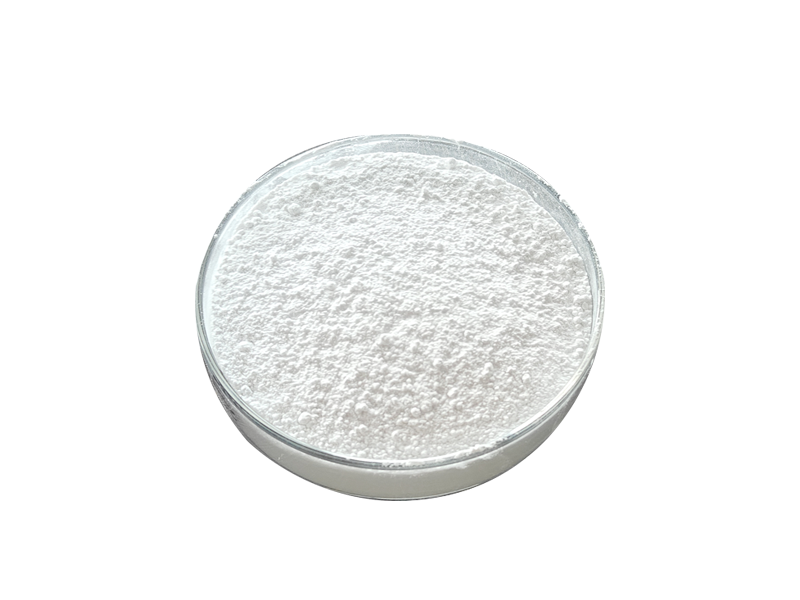
Powder defoamers are the standard for dry-mix mortars and self-leveling compounds . They are blended into the dry powder formulation and activate when water is added. When selecting a powder defoamer, look for:
-
Good dispersion in the dry mix—no clumping
-
Rapid release of active ingredients on contact with water
-
Compatibility with other powder additives like HPMC and superplasticizers
Typical powder defoamer dosage ranges from 0.1% to 0.6% of the total formulation, depending on the product and the air entrainment level . Some suppliers recommend starting at the lower end and adjusting upward based on surface quality testing.
Compatibility with Other Additives
Gypsum-based self-leveling compounds are complex formulations. They contain superplasticizers (polycarboxylate ethers), retarders, cellulose ethers, and other performance additives. A defoamer that works in isolation may fail in a full formulation.
Superplasticizer synergy is critical. Gypsum self-leveling compounds often contain high amounts of PCE. The defoamer must not compromise the flowability (slump) of the mortar. If the defoamer interferes with the PCE, you will lose the self-leveling performance that makes the product work .
Retarder compatibility matters too. Some defoamers can interfere with gypsum hydration, affecting setting time. High-quality defoamers are designed to be inert regarding the hydration of alpha-calcium sulfate hemihydrate—they do not slow down or speed up setting .
What to Look for in a Supplier
Not all defoamers are created equal. When evaluating suppliers, request:
-
Compatibility test data with PCE superplasticizers and gypsum retarders
-
Certificate of Analysis with active content and particle size distribution
-
Application recommendations for your specific gypsum type (alpha or beta hemihydrate)
-
Surface quality samples—visual evidence of pinhole-free surfaces
The Bottom Line
Selecting the right defoamer for gypsum-based self-leveling compounds comes down to understanding your application and testing compatibility.
-
Manual pouring with fast setting? Silicone defoamers offer rapid knockdown .
-
Pumped application with high surface quality demands? Polyether or hybrid formulations often perform better .
-
Dry powder production? Powder defoamers are the only practical choice .
Test defoamers in your full formulation—not in isolation. The interaction with PCE, retarders, and other additives will determine real-world performance. And always check the finished surface. If it is smooth and pinhole-free, you have made the right choice.
Yuanlian Chemical specializes in the production of polyaspartic acid (PASP),tetrasodium iminodisuccinate(IDS), GLDA, MGDA etc. with stable quality and excellent quantity!

Contact us