


-

- 2026-07-07
High-Performance Gypsum Retarders: Balancing Setting Time and Mechanical Strength
Modern dry-mix mortar production demands absolute control over hydration kinetics. For automated machine-sprayed plasters, joint fillers, and gypsum-based self-leveling floors, extending workability is essential for successful application. However, a common engineering challenge persists: traditional methods used to delay the initial setting time often result in severe loss of final mechanical strength.
For European building applications governed by rigorous performance standards (such as EN 13279 for gypsum plasters and benders), maintaining structural integrity while managing workability is non-negotiable. Achieving this balance requires transitioning away from traditional organic acids and adopting advanced, crystal-selective additives.
1. The Core Engineering Challenge: Crystal Growth Interruption
To manage the performance of calcium sulfate hemihydrate (CaSO4 · 0.5H2O), formulators must address the chemical mechanism of hydration. When mixed with water, the hemihydrate dissolves, leading to the rapid nucleation and interlocking growth of calcium sulfate dihydrate (CaSO4 · 2H2O) crystals.
Traditional carboxylic retarders, such as citric acid or sodium gluconate, offer strong retarding efficiency at low dosages. However, their mechanism relies on heavily chelating Ca2+ ions and adsorbing non-selectively onto the crystal nuclei.
This aggressive adsorption fundamentally alters the crystal morphology of the dihydrate matrix. Instead of forming a dense, needle-like interlocking network, the crystals grow into coarse, plate-like structures. This altered microstructure reduces the density of the hardened matrix, often causing a 20% to 30% reduction in compressive and flexural strength.
2. Advanced Amino Acid Technology: Linear Retardation with Strength Retention
To resolve the conflict between workability and structural performance, modern industrial formulations increasingly utilize synthesized amino acid derivatives.
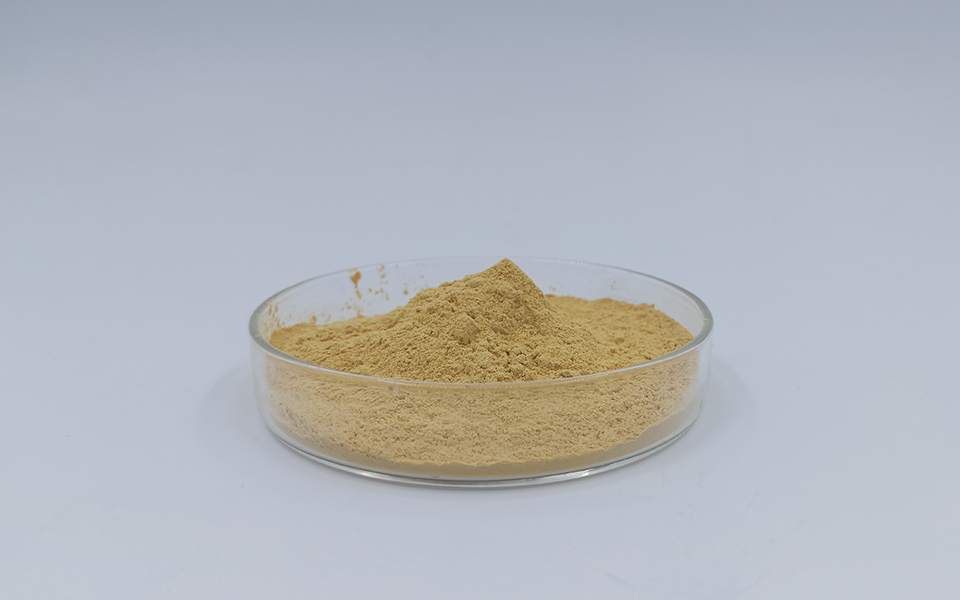
Advanced amino acid-based retarders operate via a highly controlled adsorption mechanism. Rather than disrupting the geometry of crystal growth, the amino groups form a temporary, protective film around the hemihydrate particles. This delays the dissolution rate and regulates initial nucleation without destabilizing final crystal development.
Technical Performance Matrix
| Retarder Type | Structural Impact | Setting Time Control | Recommended Dosage | Compatibility with Additives |
|---|---|---|---|---|
| Citric Acid | Severe Strength Loss (>25%) | Erratic / Highly Sensitive | 0.03% – 0.10% | Poor (Can destabilize HPMC/PCE) |
| Protein Hydrolysates | Moderate Strength Loss (10%–15%) | Stable but pH Dependent | 0.10% – 0.30% | Moderate (Prone to organic odors) |
| Yuanlian Chemical Amino Acid Retarder | Minimal Strength Loss (<5%) | Predictable & Linear | 0.03% – 0.30% | Excellent (Synergistic with polymers) |
3. Optimizing Dry-Mix Formulations for European Standards
When developing high-performance gypsum systems, achieving premium flow and extended open time requires selecting compatible admixtures. Advanced amino acid powders integrate smoothly within multi-component dry-mix systems, offering key performance benefits:
- Synergy with Cellulose Ethers: Unlike organic acids, which can interfere with the thermal gelation of Hydroxypropyl Methylcellulose (HPMC), amino-based polymers maintain high water retention values without altering mortar rheology.
- Compatibility with Polycarboxylate Ethers (PCE): In self-leveling underlayments, maintaining high fluidity is essential. Amino acid retarders do not compete aggressively for adsorption sites on cementitious or gypsum particles, allowing PCE superplasticizers to achieve maximum water reduction and excellent leveling properties.
- Adaptability across Gypsum Substrates: Whether formulating with natural alpha/beta-hemihydrate, Flue-Gas Desulfurization (FGD) gypsum, or phosphogypsum, advanced retarders adapt reliably to localized impurities and fluctuating pH environments.
4. Operational and Environmental Stability
Modern building specifications prioritize environmental safety alongside high mechanical performance. Advanced amino acid alternatives meet these demands across critical processing stages:
- Elimination of Structural Faults: By ensuring a linear correlation between dosage and setting time, production teams can prevent rapid setting or structural failures caused by minor weighing variations on the dry-mix line.
- Odorless Application: Unlike standard, unmodified bone glues or low-end protein hydrolysates that release ammonia gas upon contact with alkaline mixing water, high-purity synthetic amino acids remain completely odorless, ensuring compliance with indoor volatile organic compound (VOC) limits.
- Eco-Label Compliance: These readily biodegradable, chloride-free chemical structures align with REACH guidelines and support eco-certification compliance for commercial dry-mix products.
5. Conclusion
Relying on traditional organic acids that compromise mechanical strength is no longer necessary for modern formulations. By switching to high-purity amino acid retarders, such as those developed by Yuanlian Chemical, formulators can confidently achieve extended setting times while maintaining over 95% of the material's native compressive and flexural strength. Adopting this advanced technology allows manufacturers to produce premium, highly workable gypsum products that fully satisfy the rigorous technical requirements of modern construction environments.
Yuanlian Chemical specializes in the production of polyaspartic acid (PASP),tetrasodium iminodisuccinate(IDS), GLDA, MGDA etc. with stable quality and excellent quantity!

Contact us