



-

- 2026-07-23
Polyaspartic Acid (PASP) as a Green Fertilizer Synergist: Mechanisms and Field Applications
Polyaspartic acid is increasingly recognised in agricultural research as a biodegradable polymer with demonstrable effects on nutrient retention and crop performance. Unlike conventional fertiliser additives that inhibit specific enzymatic pathways, PASP functions through physicochemical interactions with nutrient ions in the soil matrix, influencing their availability and plant uptake. Recent research has begun to elucidate the molecular and physiological basis of these effects, providing a foundation for more targeted formulation strategies.
The Chemical Mechanism: How PASP Interacts with Plant Nutrients
Carboxyl Group Density and Cation Attraction
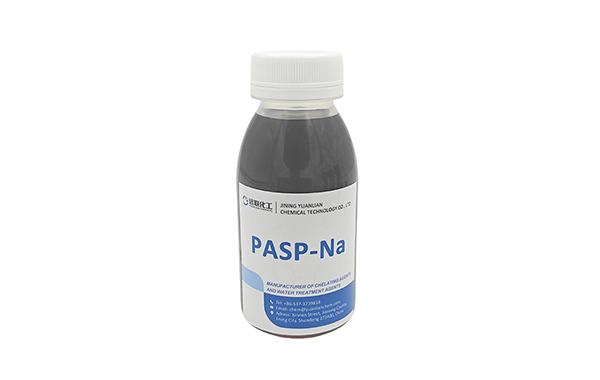
The molecular structure of PASP features a polypeptide backbone with a high density of pendant carboxyl groups (-COOH). In the soil solution, these groups deprotonate to form negatively charged carboxylate sites that exhibit affinity for cationic nutrients.
The mechanism with ammonium nitrogen (NH₄⁺) and potassium ions (K⁺) operates through electrostatic attraction rather than chemical bonding. The anionic polymer effectively retains these cations within the root zone, reducing their susceptibility to leaching during irrigation or rainfall events. This contrasts with nitrification inhibitors, which interfere with microbial enzyme systems, representing a fundamentally different mode of action .
Prevention of Phosphate Fixation
Phosphate fixation in agricultural soils is a well-documented inefficiency. Positively charged metal ions—predominantly calcium in calcareous soils, and iron or aluminium in acidic conditions—react with phosphate anions to form sparingly soluble precipitates, rendering applied phosphorus unavailable to crops.
PASP addresses this through competitive chelation. The carboxyl groups sequester Ca²⁺, Mg²⁺, and other multivalent cations, reducing the concentration of free metal ions available to react with phosphate . This competitive binding effectively "protects" a proportion of applied phosphorus from rapid fixation, maintaining it in plant-available forms for an extended period.
Micronutrient Chelation and Bioavailability
Trace elements including iron, zinc, manganese, and copper present a formulation challenge: they are essential for plant development, yet readily form insoluble compounds with phosphates or carbonates. PASP forms weak chelates with these micronutrients—complexes that are sufficiently stable to prevent precipitation but labile enough to release the metal ion upon root uptake .
Research on tomato seedlings under combined copper and cadmium stress indicates that PASP also mediates the distribution of essential elements, promoting the absorption and translocation of potassium, calcium, and magnesium while influencing the accumulation patterns of heavy metals . This suggests that the polymer's effects extend beyond simple chelation to include broader regulation of ion homeostasis in stressed plants.
Core Benefits of PASP Integration in Fertiliser Formulations
Prolonging Nitrogen Availability
Field studies have demonstrated that PASP application can extend the effective fertiliser period of nitrogen fertilisers to 90–120 days, with reported utilisation improvements of 20–30% . This prolongation arises from the polymer's ability to reduce both ammonia volatilisation and nitrate leaching.
The mechanism is indirect: by retaining ammonium ions near the root zone, PASP maintains nitrogen in a form less susceptible to gaseous loss while simultaneously slowing nitrification through substrate limitation rather than enzyme inhibition . The resulting nitrogen release profile more closely matches crop demand patterns, reducing the need for split applications.
Stimulating Root System Architecture
Transcriptomic analysis of Arabidopsis thaliana exposed to PASP has identified 462 differentially expressed genes, with a notable proportion associated with photosynthetic pathways, nitrogen metabolism, and peroxisome function . Physiological assessments revealed significant differences between treated and control plants: a 33% increase in leaf area, 25% greater chlorophyll content, and a fourfold increase in photosynthetic rate .
Root system development is similarly affected. Studies on potato cultivars have shown that PASP-calcium complexes enhance root system architecture, particularly under nitrogen-deficient conditions, contributing to expanded root dimensions and improved nutrient acquisition capacity . This morphological response—increased root branching and root hair development—effectively increases the soil volume explored by the plant, enhancing access to both applied nutrients and native soil reserves.
Enhancing Crop Tolerance to Abiotic Stress
The application of PASP has been associated with improved crop performance under stress conditions. In potato cultivation, PASP-calcium treatments demonstrated pronounced effects on growth and yield components, with the magnitude of response varying by genotype . This suggests that the benefits of PASP integration are mediated, at least in part, through the plant's physiological capacity to utilise enhanced nutrient availability.
Under combined copper and cadmium stress, PASP application promoted stem diameter growth, root activity, and chlorophyll content in tomato seedlings, ultimately increasing biomass . The polymer increased the distribution of heavy metals in roots while restricting translocation to shoots, a pattern that may have practical implications for crop production on marginally contaminated soils.
Practical Application Methods and Dosage Considerations
Water-Soluble Fertilizers and Drip Irrigation
PASP exhibits excellent water solubility and compatibility with fertigation systems. For water-soluble fertiliser formulations, recommended addition rates typically range from 0.3% to 0.5% of the total fertiliser weight, though specific rates should be adjusted based on crop type, soil conditions, and existing nutrient levels .
For drip irrigation applications, PASP concentrations in the final diluted solution generally fall between 100 and 500 ppm. The polymer remains stable throughout the irrigation cycle, with no reported precipitation or clogging issues when used within recommended concentration ranges.
Compound and Granular Fertiliser Coating
Thermal stability is a key consideration for granular fertiliser production. PASP can withstand the temperatures encountered during typical granulation and coating processes—short-term exposure to 80–90°C is generally acceptable. The polymer's viscosity and adhesive properties make it suitable for inclusion in coating formulations, where it forms a thin layer on granule surfaces.
When incorporating PASP into compound fertiliser blends, the order of addition is less critical than uniform distribution. Pre-mixing with liquid components or dissolution in the granulation liquid ensures even dispersion throughout the final product .
Liquid Foliar Formulations
For foliar applications, PASP serves dual functions: as a nutrient carrier and as a wetting agent. The polymer reduces surface tension, improving droplet spreading and contact with leaf surfaces. This enhances both the efficiency of nutrient delivery and the residence time on the leaf surface, increasing the opportunity for uptake.
Recommended PASP concentrations for foliar sprays are typically 2–4 kg per 1,000 m², applied as a dilute solution . The polymer's compatibility with most tank-mix partners—including micronutrient solutions and non-ionic surfactants—simplifies integration into existing spray programs.
Compatibility and Soil Environmental Profile
Degradation Pathway and Carbon Cycle
PASP biodegradation in soil follows an enzymatic hydrolysis pathway. Soil microorganisms produce extracellular hydrolases that cleave the peptide bonds of the polymer backbone, generating oligopeptides and ultimately L-aspartic acid monomers . These breakdown products enter natural metabolic pathways, mineralising to water, carbon dioxide, and inorganic nitrogen compounds.
The rate of degradation is influenced by soil microbial activity, temperature, and moisture content. Under OECD 307 test conditions—a standardised soil transformation study protocol—PASP demonstrates degradation kinetics consistent with readily biodegradable classification . The absence of persistent breakdown products distinguishes PASP from synthetic polymers with recalcitrant structures.
Soil Microbiome Interaction
Recent research has examined the effects of PASP application on soil bacterial communities. A study on rice production found that PASP application enhanced bacterial species richness and diversity, with shifts toward phyla associated with nitrogen cycling (Chloroflexi and Nitrospirae) and genera implicated in pathogen suppression and nutrient assimilation .
Co-occurrence network analysis revealed increased complexity, stability, and functionality of the bacterial community following PASP treatment . This suggests that the polymer's benefits may extend beyond direct nutrient interactions to include indirect effects mediated through the soil microbiome, though the mechanisms underlying these shifts require further investigation.
Technical Comparison: PASP vs. Traditional Fertiliser Additives
The following comparison examines PASP alongside established fertiliser additives across several performance dimensions.
| Parameter | PASP | DMPP / NBPT | Humic / Fulvic Acid | EDTA |
|---|---|---|---|---|
| Primary mechanism | Nutrient retention via chelation | Enzyme inhibition | Complexation + physiological effects | Metal chelation |
| N loss reduction | Moderate–Good | Very good | Moderate | Poor |
| P fixation prevention | Good | None | Moderate | None |
| Micronutrient chelation | Good | None | Moderate | Excellent |
| Soil biodegradability | High (readily biodegradable) | Variable | High (natural origin) | Low (environmentally persistent) |
| Phosphorus content | None | None | Variable | None |
| Soil microbiome effects | Positive (community diversity increase) | Neutral–Negative (targeted inhibition) | Positive | Limited data |
Observations:
PASP vs. Nitrification Inhibitors (DMPP/NBPT): The mechanisms are complementary rather than competitive. Nitrification inhibitors target specific microbial enzymes; PASP operates through physicochemical nutrient retention. Combined use may offer additive benefits, though formulation compatibility should be verified.
PASP vs. Humic/Fulvic Acid: Both materials enhance nutrient availability, but through different pathways. Humic substances exert physiological effects on plants and improve soil structure; PASP offers more predictable stoichiometry and higher purity, facilitating precise formulation .
PASP vs. EDTA: While both chelate metals, EDTA's environmental persistence is a recognised concern. PASP's biodegradability provides a clear advantage for applications where soil accumulation is undesirable . However, PASP's chelation strength is generally lower than EDTA, which may be advantageous for maintaining nutrient lability.
Frequently Asked Questions
Can PASP be blended directly with acidic or alkaline fertilisers?
PASP maintains structural stability across a pH range of approximately 5 to 11. At pH values below 5, protonation of carboxyl groups reduces chelating capacity; at pH above 11, competitive interactions with hydroxide ions may affect performance. For most fertiliser blends, direct mixing is acceptable, though pre-formulation compatibility testing is recommended when working with strongly acidic materials or high concentrations of multivalent cations .
Is PASP stable during high-temperature granular fertiliser production?
Short-term exposure to temperatures up to 80–90°C is generally well tolerated. At higher temperatures, particularly above 100°C, thermal hydrolysis of the peptide backbone can occur, reducing molecular weight and chelating capacity. For granulation processes with elevated temperatures, modified PASP derivatives with enhanced thermal stability are available .
How does PASP differ from synthetic biostimulants in terms of eco-safety?
PASP is a synthetic polymer with a defined chemical structure and demonstrated biodegradation pathway. Its breakdown products—water, carbon dioxide, and inorganic nitrogen—are naturally occurring compounds. This contrasts with some biostimulants of undefined composition, where metabolic fate and breakdown products may be less well characterised. PASP's environmental profile has been evaluated under standardised OECD protocols, providing a transparent basis for risk assessment.
Conclusion
Polyaspartic acid offers a well-characterised, biodegradable approach to improving fertiliser efficiency across agricultural production systems. Its mechanisms of action—cation retention, phosphate protection, and micronutrient chelation—are grounded in established physicochemical principles, supported by recent transcriptomic and field research.
The polymer's environmental profile, demonstrated through standardised OECD testing, addresses regulatory and sustainability concerns associated with less degradable or phosphorus-containing alternatives . Its compatibility with a range of fertiliser types and application methods simplifies integration into existing agricultural practices.
Optimising fertiliser efficiency requires precise formulation adjustments based on soil type, crop, and base nutrient ratios. For technical datasheets (TDS), field trial reference data, or formulation compatibility support with PASP, please contact our agronomic technical team.
Yuanlian Chemical specializes in the production of polyaspartic acid (PASP),tetrasodium iminodisuccinate(IDS), GLDA, MGDA etc. with stable quality and excellent quantity!

Contact us