


-

- 2026-03-24
EDTA: The Chelating Agent Under Environmental Scrutiny – Navigating the Transition
For decades, Ethylenediaminetetraacetic acid (EDTA) has been the global benchmark for chelation. Its unparalleled stability and cost-effectiveness made it indispensable in everything from industrial cleaning to agriculture. However, in 2026, the industrial landscape in Europe has fundamentally shifted. The "Gold Standard" is now under intense environmental scrutiny, forcing a re-evaluation of chelation strategies.
The Core of the Scrutiny: Persistence in the Environment
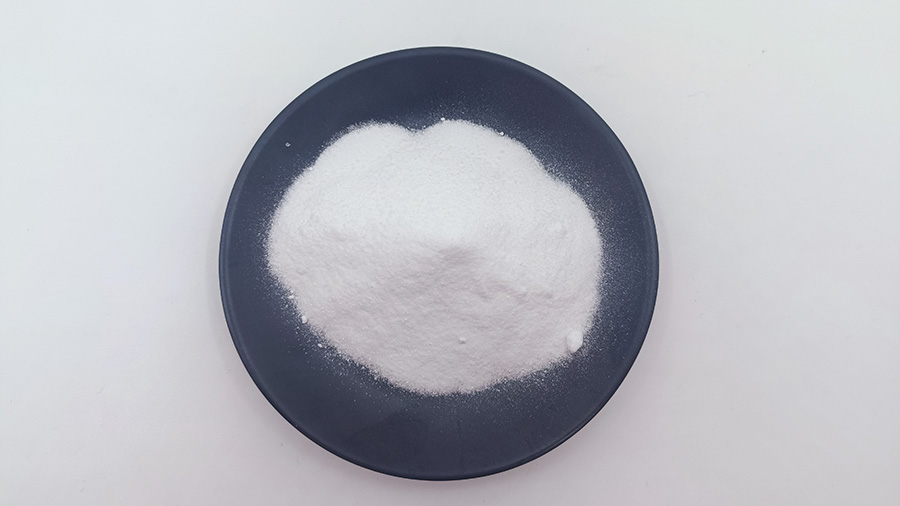
The primary challenge with EDTA is its lack of biodegradability. Unlike organic matter that breaks down naturally, EDTA persists in the aquatic environment.
-
Heavy Metal Mobilization: Due to its high stability, EDTA can remobilize heavy metals from river sediments, re-introducing toxic elements into the water column.
-
Wastewater Treatment Limitations: Most municipal wastewater treatment plants are not equipped to degrade EDTA, leading to its accumulation in natural water bodies.
-
Regulatory Pressure: Under the EU’s REACH and various local water protection acts, industries are being incentivized—and in some cases mandated—to seek "Green Chelation" alternatives.
The Strategic Shift: High-Performance Biodegradable Alternatives
The industry is not just moving away from EDTA; it is moving toward more sophisticated, eco-friendly molecules that offer comparable performance without the ecological "debt."
1. GLDA (Tetrasodium Glutamate Diacetate)
GLDA is the primary successor to EDTA in professional cleaning and industrial applications.
-
Performance: It offers high solubility across a wide pH range and is particularly effective at sequestering Calcium and Magnesium.
-
Eco-Profile: Derived from natural L-glutamic acid, GLDA is readily biodegradable and has a significantly lower carbon footprint.
2. MGDA (Trisodium Methylglycine Diacetate)
In high-temperature or highly alkaline environments (such as automatic dishwashing and industrial bottle washing), MGDA has become the preferred choice.
-
Efficiency: It provides rapid chelation and excellent stability, often allowing for lower dosage concentrations compared to traditional stabilizers.
3. PASP and IDS: The Green Specialty Agents
For water treatment and agricultural nutrient delivery, Polyaspartic Acid (PASP) and Iminodisuccinic Acid (IDS) are filling the void left by EDTA. These agents provide specialized scale inhibition and micronutrient shuttling while being 100% biodegradable.
Future-Proofing Your Formulation
For European formulators and plant managers, the transition away from EDTA is an opportunity to innovate. Modern biodegradable chelants are often more soluble than EDTA (especially in high-concentration liquid products), which can lead to:
-
Improved Product Stability: Reducing the risk of precipitation in concentrated formulas.
-
Enhanced Brand Equity: Meeting the growing consumer and B2B demand for "Green Chemistry."
-
Simplified Compliance: Streamlining the documentation process for eco-labeling and environmental audits.
Conclusion
While EDTA’s legacy in industrial chemistry is undeniable, its environmental persistence has made it a liability in the modern regulatory climate. By adopting biodegradable chelants like GLDA and MGDA, industries can ensure high-performance results while aligning with the global commitment to a toxic-free environment.
Yuanlian Chemical specializes in the production of polyaspartic acid (PASP),tetrasodium iminodisuccinate(IDS), GLDA, MGDA etc. with stable quality and excellent quantity!

Contact us