


-

- 2026-03-25
Polyaspartic Acid (PASP): Performance, Versatility, and High-Efficiency Water Treatment
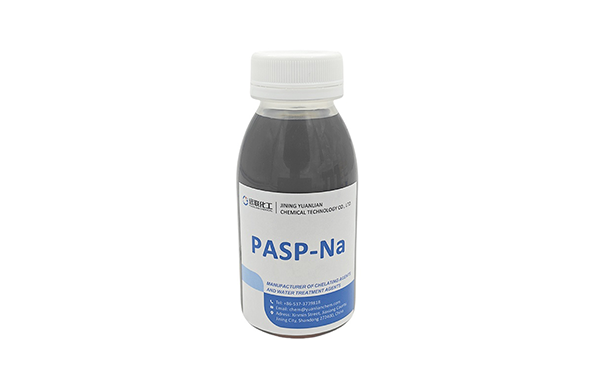
In the pursuit of "Green Chemistry," few molecules have demonstrated as much industrial potential as Polyaspartic Acid (PASP). As a synthetic biopolymer inspired by the natural proteins found in mollusk shells, PASP has redefined the standards for scale inhibition and nutrient dispersion.
For European industrial and agricultural sectors, PASP is no longer just an "alternative"—it is a high-performance necessity for systems requiring phosphorus-free and readily biodegradable solutions.
The Performance Profile of PASP
PASP is a water-soluble polyamino acid characterized by its peptide-like backbone. Its chemical structure grants it several unique performance advantages:
-
Exceptional Biodegradability: Unlike traditional polyacrylic acid (PAA) or phosphonates, PASP is fully biodegradable (OECD 301B). It breaks down into harmless carbon dioxide and nitrogen, leaving zero environmental footprint.
-
High Chelation Capacity: The carboxyl groups along the PASP chain provide a high affinity for polyvalent metal ions, such as Calcium (), Magnesium (), and Iron ().
-
Non-Toxic and Non-Irritating: Its biocompatibility makes it safe for use in diverse environments, from closed-loop industrial boilers to open-field agriculture.
Specialized Applications in Water Treatment
Water treatment remains the primary domain where PASP demonstrates its superior scale inhibition and corrosion protection.
1. Phosphorus-Free Scale Inhibition
As regulations such as the EU Water Framework Directive limit phosphorus discharge, PASP has become the leading P-free antiscalant. It prevents the formation of calcium carbonate, calcium sulfate, and barium sulfate through crystal distortion and threshold inhibition.
2. Corrosion Protection
By forming a thin, protective molecular film on metal surfaces, PASP acts as an effective corrosion inhibitor, especially when used in synergistic formulations with zinc salts or green chelants like GLDA.
3. Industrial Cooling and RO Systems
In Reverse Osmosis (RO) and circulating cooling water systems, PASP effectively disperses silt and mineral deposits, maintaining heat exchange efficiency and extending the service life of expensive membrane systems.
Versatility Beyond Water Treatment
While its role in water treatment is critical, the utility of PASP extends into multiple high-value sectors:
-
Agriculture (Fertilizer Synergist): PASP is widely used to enhance the efficiency of urea and NPK fertilizers. By chelating soil micronutrients, it ensures faster uptake by the roots, leading to increased biomass and higher crop yields.
-
Detergents and Cleaning: In eco-labeled detergents, PASP acts as a builder and co-builder, preventing soil redeposition and mitigating the effects of hard water on surfactant performance.
-
Oilfield Chemicals: Its thermal stability makes it an excellent "green" scale inhibitor for downhole operations in oil and gas extraction, particularly in environmentally sensitive offshore areas.
Strategic Conclusion
Polyaspartic Acid represents a rare intersection of high efficiency and ecological responsibility. For companies aiming to meet the 2026 sustainability goals, integrating PASP into water treatment and chemical formulations is a definitive step toward regulatory compliance and operational excellence.
Yuanlian Chemical specializes in the production of polyaspartic acid (PASP),tetrasodium iminodisuccinate(IDS), GLDA, MGDA etc. with stable quality and excellent quantity!

Contact us