


-

- 2026-03-25
Polyaspartic Acid (PASP) Supplier and Manufacturer Guide: Selecting the Right Industrial Partner
As the global demand for biodegradable chemicals surges, Polyaspartic Acid (PASP) has moved from a niche specialty chemical to a cornerstone of sustainable industrial formulation. Whether you are developing high-efficiency fertilizers or phosphorus-free water treatment programs, selecting the right PASP manufacturer is critical to ensuring product stability, regulatory compliance, and supply chain security.
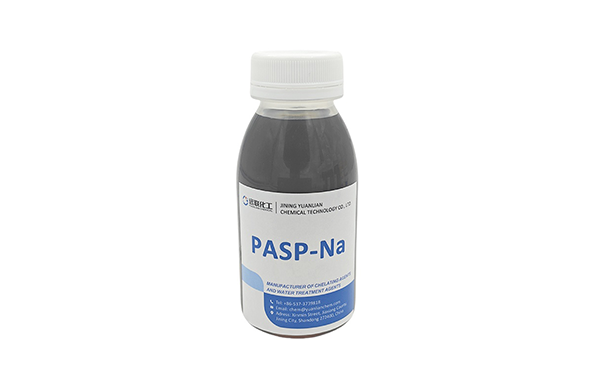
This guide outlines the essential criteria for evaluating a Polyaspartic Acid supplier and the technical standards required for modern industrial applications.
1. Manufacturing Excellence: Upstream Production vs. Reselling
When sourcing PASP, it is vital to distinguish between specialized manufacturers and general traders. An upstream manufacturer provides several key advantages:
-
Consistent Quality Control: Direct producers monitor the polymerization process of L-aspartic acid, ensuring consistent molecular weight distribution, which is crucial for predictable scale inhibition performance.
-
Customization Capabilities: Leading manufacturers can offer PASP in various forms, including the standard 40% aqueous solution or high-purity 90% powder, and can adjust pH levels to suit specific formulation needs.
-
Cost Efficiency: Eliminating intermediaries allows for more competitive pricing, especially for high-volume industrial contracts in the water treatment and agricultural sectors.
2. Technical Specifications and Quality Indicators
A reputable PASP supplier should provide transparent technical data sheets (TDS). Key metrics to evaluate include:
3. Key Application Support from Your Supplier
A value-added manufacturer does more than ship a product; they provide the technical expertise to integrate PASP into your existing systems:
-
Water Treatment: Your supplier should offer data on scale inhibition efficiency against and , as well as compatibility studies with other green chelants like GLDA or MGDA.
-
Agriculture & Fertigation: For fertilizer companies, a manufacturer should demonstrate how PASP acts as a synergist to improve nitrogen (Urea) and micronutrient uptake, providing experimental data on crop yield improvements.
-
Oilfield Chemicals: In the oil and gas sector, suppliers must prove the thermal stability of their PASP under high-pressure, high-temperature (HPHT) conditions.
4. Compliance and Global Logistics
For the European market, regulatory alignment is non-negotiable. Ensure your PASP manufacturer adheres to:
-
REACH Registration: Essential for legal import and distribution within the EU.
-
ISO Certification: Specifically ISO 9001 (Quality Management) and ISO 14001 (Environmental Management).
-
Sustainable Logistics: Manufacturers with established export experience understand the nuances of shipping liquid and powder chemicals globally, ensuring that the product arrives with its chemical integrity intact.
Conclusion: Choosing a Strategic Partner
Selecting a Polyaspartic Acid supplier is a strategic decision that impacts your product’s performance and your company’s environmental footprint. By partnering with an upstream manufacturer that prioritizes R&D and green chemistry principles, you ensure a reliable supply of one of the most versatile biodegradable polymers on the market today.
Yuanlian Chemical specializes in the production of polyaspartic acid (PASP),tetrasodium iminodisuccinate(IDS), GLDA, MGDA etc. with stable quality and excellent quantity!

Contact us