


-

- 2026-03-26
Environmental Benefits of Using Green Chelating Agents
In the evolution of industrial chemistry, the shift from traditional sequestering agents to Green Chelating Agents represents one of the most significant contributions to environmental protection. For decades, the reliance on persistent molecules like EDTA and NTA created a "legacy of accumulation" in global waterways. Today, the adoption of biodegradable alternatives such as GLDA (Tetrasodium Glutamate Diacetate) and MGDA (Trisodium Methylglycine Diacetate) is transforming the ecological footprint of the cleaning, agricultural, and water treatment sectors.
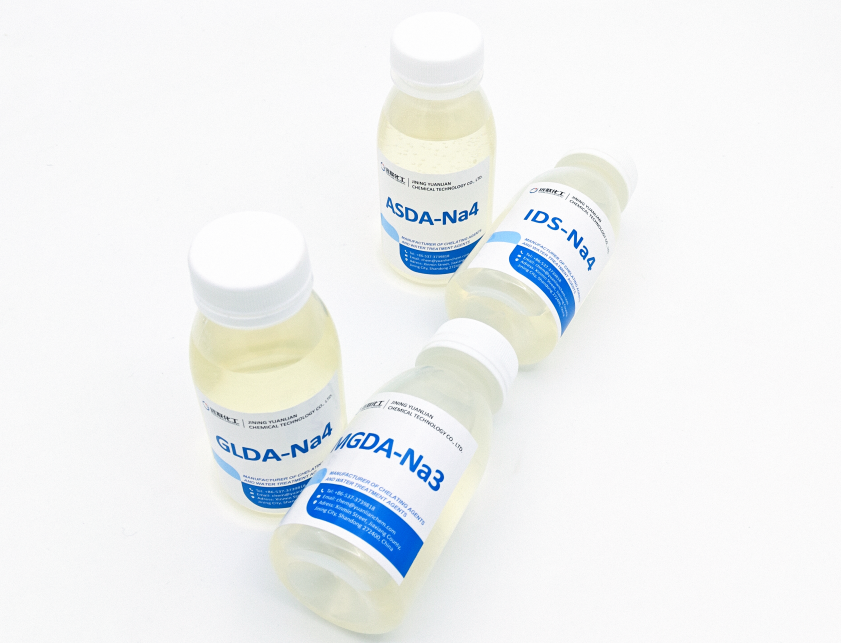
Understanding the specific environmental benefits of these "green" alternatives is essential for companies aiming to meet the 2026 sustainability benchmarks.
1. Rapid and Complete Biodegradability
The most immediate benefit of green chelants is their ability to break down naturally into harmless substances.
-
Eliminating Persistence: Unlike EDTA, which remains in the environment for years, GLDA and MGDA are classified as "readily biodegradable" (OECD 301B). Within 28 days, these molecules are almost entirely decomposed by microorganisms.
-
Reducing Downstream Impact: This rapid breakdown ensures that chelating agents do not accumulate in municipal wastewater treatment plants or escape into sensitive river ecosystems.
2. Prevention of Heavy Metal Remobilization
Traditional, non-biodegradable chelants pose a hidden danger: the "remobilization" of toxic heavy metals from riverbed sediments.
-
The "EDTA Effect": Persistent chelants can bind with Lead (Pb), Mercury (Hg), and Cadmium (Cd) stored in sediments, pulling them back into the water column and entering the food chain.
-
The Green Solution: Because green chelants like IDS (Iminodisuccinic Acid) and GLDA degrade quickly, they do not remain active long enough to transport heavy metals over long distances, effectively keeping toxins sequestered in the sediment where they are less bioavailable.
3. Combating Eutrophication in Aquatic Systems
The transition to phosphorus-free (P-free) programs is a critical step in preventing algal blooms that suffocate aquatic life.
-
Phosphorus-Free Formulations: Green polymers like Polyaspartic Acid (PASP) provide superior scale inhibition without adding phosphorus to the effluent.
-
Ecological Balance: By removing the primary nutrient source for harmful algae, P-free chelating agents help maintain the oxygen levels and biodiversity of lakes and coastal waters.
4. Lower Carbon Footprint and Renewable Feedstocks
Environmental benefits begin at the point of production, not just at the point of discharge.
-
Bio-Based Raw Materials: GLDA is derived from L-glutamic acid, a natural amino acid, while MGDA utilizes sustainable precursors. This reduces the industry’s reliance on petrochemical-derived monomers.
-
Energy Efficiency: Modern production processes for these green agents are often more energy-efficient and generate fewer hazardous by-products compared to traditional cyanide-based synthesis routes.
5. Compliance with Global "Eco-Label" Standards
For manufacturers, the environmental benefits translate directly into regulatory and market advantages.
-
EU Ecolabel & Nordic Swan: Using biodegradable chelants is a prerequisite for obtaining prestigious environmental certifications in Europe.
-
REACH and Detergent Regulations: Aligning with these frameworks ensures that products can be sold across borders without the risk of future bans or environmental taxes.
Conclusion
The move toward green chelating agents is a sophisticated response to a global ecological challenge. By choosing GLDA, MGDA, and PASP, industries are not merely replacing a chemical; they are actively participating in the restoration of aquatic health and the reduction of chemical persistence.
Yuanlian Chemical specializes in the production of polyaspartic acid (PASP),tetrasodium iminodisuccinate(IDS), GLDA, MGDA etc. with stable quality and excellent quantity!

Contact us