


-

- 2026-03-30
Why EDDS is the Gold Standard Green Alternative to EDTA in Personal Care
In the high-stakes world of personal care formulation, stability is everything. For decades, EDTA (Ethylenediaminetetraacetic acid) has been the "invisible anchor" in shampoos, lotions, and facial cleansers, protecting products from the destabilizing effects of metal ions. However, as the European "Green Beauty" movement matures and regulatory scrutiny on micro-pollutants intensifies, the industry is reaching a tipping point.
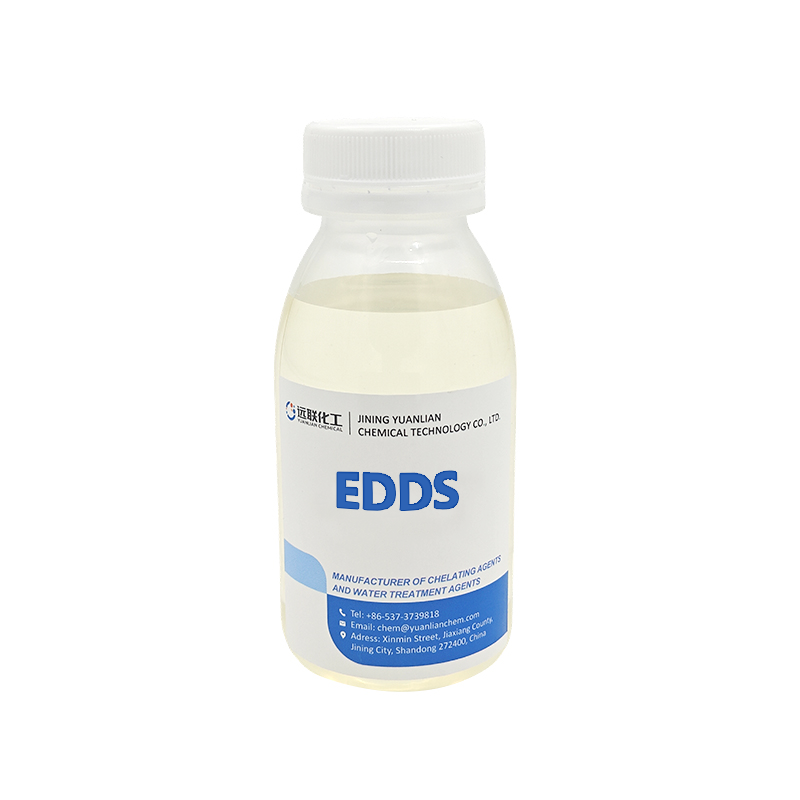
Enter Trisodium Ethylenediamine Disuccinate (EDDS)—the most sophisticated, high-performance biodegradable chelating agent available for modern cosmetic science.
1. The Environmental Mandate: Breaking the Persistence Cycle
The primary driver behind the shift from EDTA is its environmental legacy. EDTA is notorious for its lack of biodegradability, leading to its accumulation in aquatic ecosystems and the potential remobilization of heavy metals in water sources.
EDDS represents a paradigm shift. It is a structural isomer of EDTA but with a critical difference: it is readily biodegradable (OECD 301B). Within 28 days, EDDS breaks down into harmless organic substances, allowing brands to claim a significantly lower ecological footprint and align with EU Ecolabel and Nordic Swan standards.
2. Superior Performance in Complex Formulations
A common misconception is that "green" means "less powerful." In the case of EDDS, the opposite is often true, particularly in personal care applications.
-
Transition Metal Specialist: EDDS has a remarkably high affinity for transition metals such as Copper (Cu²⁺) and Iron (Fe³⁺). In hair care products, this is a game-changer. By sequestering copper, EDDS prevents the oxidative damage that leads to hair protein degradation and color fading.
-
Antioxidant Synergy: By "locking up" pro-oxidant metal ions, EDDS significantly boosts the efficacy of traditional antioxidants (like Vitamin E) and preservatives. This synergistic effect extends the shelf life of botanical extracts and delicate fragrance oils.
-
Crystal Clarity: In clear surfactant systems like micellar water or luxury shampoos, EDDS prevents the cloudiness caused by mineral precipitation, ensuring the aesthetic integrity of the product remains intact.
3. Unmatched Safety and Sensorial Profile
For personal care, the toxicological profile of an ingredient is non-negotiable. EDDS stands out as a "Skin-Friendly" choice:
-
Low Irritancy: Unlike some harsher industrial chelants, EDDS is recognized for its mildness on the skin and scalp. It is non-sensitizing and fits perfectly into "Clean Beauty" and "Dermatologically Tested" product lines.
-
Natural Origin Alignment: While EDDS can be synthesized, its structure is based on naturally occurring amino acids (L-aspartic acid), making it a more coherent fit for brands emphasizing natural or bio-based ingredients.
4. Regulatory Future-Proofing for 2026 and Beyond
With the European Chemicals Agency (ECHA) continuously updating the REACH framework, the use of persistent chemicals like EDTA is becoming a strategic risk.
By transitioning to EDDS, manufacturers are not just following a trend; they are future-proofing their supply chains. EDDS is fully compliant with the latest European Cosmetic Regulations, providing a seamless path to market for international exports.
Conclusion: The Logical Evolution of Chelation
The move to EDDS is more than an environmental gesture; it is a technical upgrade. It offers the sequestering power required for high-end personal care while respecting the aquatic life and ecosystems that consumers now demand we protect. For formulators aiming to lead the market in 2026, EDDS is the definitive answer to the EDTA dilemma.
Yuanlian Chemical specializes in the production of polyaspartic acid (PASP),tetrasodium iminodisuccinate(IDS), GLDA, MGDA etc. with stable quality and excellent quantity!

Contact us