


-

- 2026-04-22
How Polyaspartic Acid (PASP) Enhances Nutrient Uptake in Sustainable Agriculture
In the 2026 agricultural landscape, the global narrative has shifted from "maximum input" to "maximum efficiency." As climate disclosure regulations and carbon credit markets become standard, the pressure to reduce nitrogen leaching and phosphate runoff is no longer just an environmental goal—it is a financial necessity.
Polyaspartic Acid (PASP), a biodegradable, high-performance biopolymer, has emerged as the definitive solution for bridging the gap between high crop yields and strict environmental stewardship.
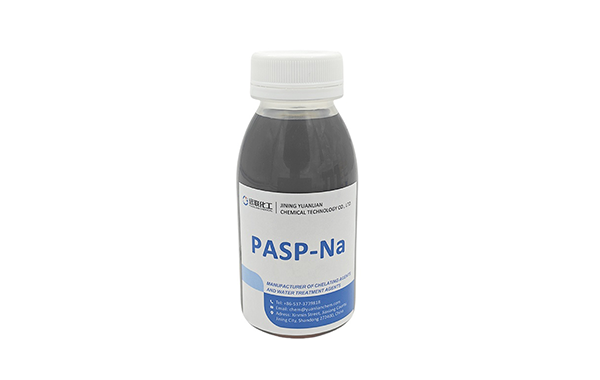
1. The Chemistry of Efficiency: A Molecular Nutrient Carrier
PASP is a green polymer derived from the amino acid L-aspartic acid. Its unique molecular structure features a high density of free carboxyl and amide groups, which provide a powerful negative charge.
This molecular architecture allows PASP to function as a Nutrient "Super-Absorbent":
-
Cation Chelation: PASP effectively binds essential metal ions like , , , and , preventing them from reacting with phosphates to form insoluble precipitates.
-
Ionic Exchange: By stabilizing nutrients in the rhizosphere (root zone), PASP prevents them from being leached into the groundwater or becoming fixed in the soil matrix. This ensures that a higher percentage of every applied kilogram of fertilizer actually reaches the plant.
[Image: PASP molecular chain capturing and delivering nutrient ions to plant roots]
2. Enhancing Physiological Uptake: Beyond the Soil
PASP doesn't just manage the soil; it actively promotes the plant's internal nutrient metabolic pathways. Recent 2026 field data indicates that PASP-enhanced fertilizers significantly improve the activity of key enzymes:
-
Nitrate Reductase (NR) & Glutamine Synthetase (GS): PASP stimulates these critical enzymes, accelerating the conversion of inorganic nitrogen into plant proteins.
-
Root System Proliferation: Research shows that PASP application can boost root biomass by 20–30%, effectively increasing the surface area available for water and nutrient absorption.
-
Stress Resilience: By optimizing osmotic adjustment, PASP helps crops maintain turgor pressure and nutrient flow even under drought or high-salinity conditions.
3. The 2026 Sustainable ROI: Data-Driven Performance
For the modern agribusiness, the performance metrics of PASP are compelling. Field trials across diverse climates have validated its role as a high-value synergist:
4. Integration into Climate-Smart Agriculture
As the industry adopts precision farming and variable-rate application (VRA) technologies, PASP provides the chemical reliability needed to make every drop count.
-
Lower Carbon Footprint: By reducing the total volume of nitrogen fertilizer required, PASP directly lowers nitrous oxide () emissions—one of the most potent greenhouse gases in land cultivation.
-
Water Conservation: The water-retention properties of PASP help maintain soil moisture, reducing irrigation frequency and energy consumption for pumping.
-
Organic Compliance: Being a bio-based, non-toxic polymer, PASP aligns with many 2026 "Green Label" and organic-supportive certification pathways.
Conclusion: Engineering the Future of Food Security
Maximizing fertilizer efficiency is the most effective way to ensure global food security while protecting our ecosystems. Polyaspartic Acid (PASP) provides the technical bridge required to transition from conventional farming to a high-efficiency, sustainable model.
At Yuanlian Chemical, we are committed to providing the high-purity PASP solutions that allow specialty fertilizer manufacturers to deliver world-class performance and environmental compliance in 2026 and beyond.
Yuanlian Chemical specializes in the production of polyaspartic acid (PASP),tetrasodium iminodisuccinate(IDS), GLDA, MGDA etc. with stable quality and excellent quantity!

Contact us