



-

- 2026-04-22
Top Factors to Consider When Sourcing Polyaspartic Acid (PASP) from China: A Buyer’s Checklist 2026
As global demand for biodegradable chelants and nutrient synergists surges, China remains the world’s leading production hub for Polyaspartic Acid (PASP). However, the market in 2026 is significantly more complex than in previous years, shaped by aggressive environmental inspections, carbon neutrality mandates, and shifting logistics landscapes.
For international buyers, the goal is no longer just "lowest price," but "sustainable supply chain integrity." Use this 2026 checklist to evaluate your PASP suppliers and secure a high-quality partnership.
1. Environmental Compliance and "Dual Control" Stability
In 2026, the primary risk to supply continuity in China is not economic, but regulatory.
-
The "Dual Control" Policy: Ensure your supplier operates in a chemical industrial park compliant with China's latest energy intensity and total consumption policies.
-
Waste Treatment Infrastructure: Verify that the factory has advanced, self-contained wastewater treatment and VOC (Volatile Organic Compound) capture systems. Suppliers who fail "Green Audits" are subject to immediate shutdowns during peak pollution periods or major international events.
2. Purity and Polymerization Standards (Technical Verification)
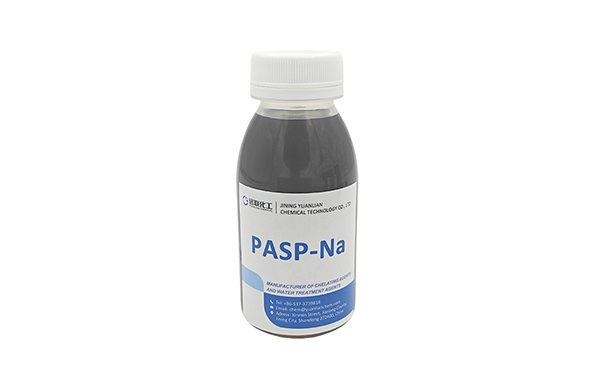
Not all PASP is created equal. The efficacy of PASP—whether in water treatment, agriculture, or detergents—depends on its molecular weight and purity.
-
Monomer Residue: High-quality PASP should have minimal residual aspartic acid. Request a Certificate of Analysis (COA) that specifically lists monomer levels.
-
Solids Content: Standard PASP is often supplied as a 40% aqueous solution. Verify the precise solids content, as even a 2% variance can significantly impact your formulation's ROI and shipping costs.
-
Heavy Metal Thresholds: For buyers in the EU or North America, ensure the PASP meets REACH or FDA equivalent standards for trace heavy metals (Lead, Arsenic, Cadmium).
3. Supply Chain Transparency and Raw Material Sourcing
The price of PASP is closely tied to its precursor, Maleic Anhydride or Aspartic Acid.
-
Vertical Integration: Does the manufacturer produce their own precursors, or do they source them externally? Vertically integrated suppliers, like Yuanlian Chemical, offer superior price stability and quality control.
-
Carbon Footprint Data: In 2026, many global buyers require a Life Cycle Assessment (LCA). Inquire if the supplier can provide data on the carbon intensity of their PASP production, which is increasingly vital for ESG reporting.
4. Logistics and Packaging Durability
Shipping liquid chemicals across oceans requires robust packaging to prevent leakage and contamination.
-
Packaging Options: Ensure the supplier offers IBC tanks, 200L drums, or flexitanks that are UN-certified for international maritime transport.
-
Port Proximity: Sourcing from manufacturers located near major ports (like Qingdao or Tianjin) can reduce domestic inland freight costs and carbon emissions.
5. R&D Support and Customization Capabilities
A "commodity" supplier may not meet the needs of specialized industries.
-
Formula Customization: Can the supplier adjust the pH, molecular weight, or concentration to suit your specific application?
-
Technical Documentation: Beyond the COA and SDS (Safety Data Sheet), look for suppliers who provide comprehensive application guides and laboratory data to support your R&D efforts.
The 2026 PASP Sourcing Checklist
Conclusion: Partnering with Precision
Sourcing Polyaspartic Acid from China in 2026 requires a partner who understands both the chemistry and the evolving regulatory landscape. By focusing on environmental stability, technical purity, and supply chain transparency, you can mitigate risk and ensure your products remain competitive in a green-focused market.
At Yuanlian Chemical, we combine state-of-the-art production with rigorous international compliance to serve as your trusted PASP partner in the 2026 global market.
Yuanlian Chemical specializes in the production of polyaspartic acid (PASP),tetrasodium iminodisuccinate(IDS), GLDA, MGDA etc. with stable quality and excellent quantity!

Contact us